Law report · filed November 22, 2026
LegislationReported case
UK-EU Deals Worth £17bn to GDP Enter Parliament as Rejoin Talk Grows
Foreign Secretary Ed Miliband says 'all options' including rejoining the EU are on the table, as three UK-EU deals worth a claimed £17bn GDP boost head to parliament next week.
By Grace Kim4 min read783 words
Holding
- Three UK-EU deals announced Friday cover food standards, emissions trading and a youth mobility scheme.
- Burnham claims the agreements add 0.5% to UK GDP, a £17bn boost.
- 100,000 young Britons get rights to live, work, study and travel in the EU.
- The EU threatened to block the deals in six months unless European students pay domestic-level UK tuition fees.
- Legislation enters parliament next week.
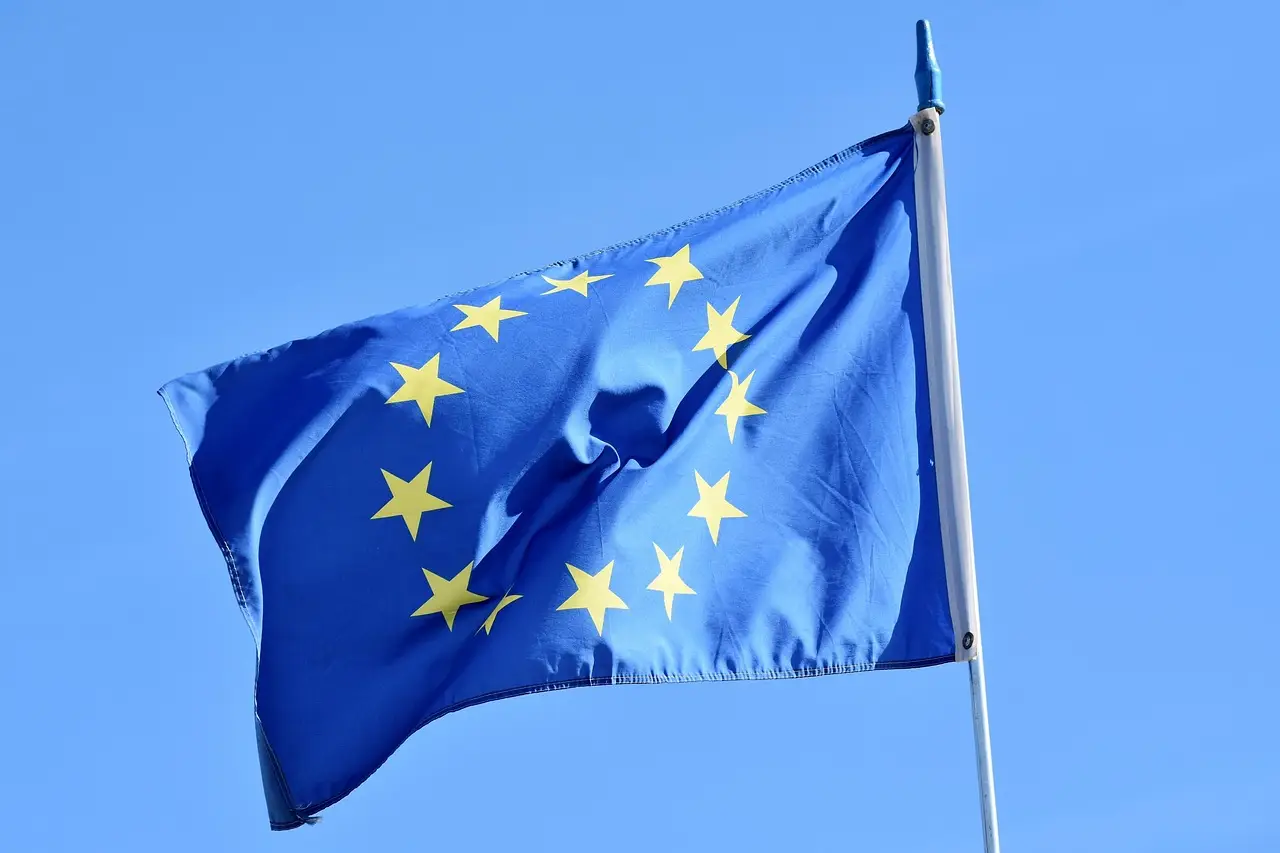
Legislation implementing three UK-EU agreements — covering food and drink standards, emissions trading and a youth mobility scheme — will enter parliament next week, Foreign Secretary Ed Miliband confirmed on Sunday, amid EU warnings that the deals could be blocked within six months unless Britain grants European students domestic-level university tuition fees.
The deals, struck on Friday after talks between the prime minister and European leaders, would allow 100,000 young Britons to live, work, study and travel in the EU, with reciprocal access for young Europeans in the UK. Andy Burnham, who led the UK side of the discussions, said the package would add 0.5% to UK GDP — a £17bn boost to the British economy.
What did Miliband say about rejoining the EU?
Speaking on the BBC's Sunday with Laura Kuenssberg, Miliband said UK membership of the bloc could feature in informal discussions Burnham will hold with European leaders in Brussels over the next year. Pressed on whether rejoining would be considered, he said: "all the options will be on the table" and "we will look at the benefits and the costs of all the different options."
He framed the move as a question for the period after the next general election, not the current parliament. "It's not about this parliament, we're respecting the red lines in this parliament," Miliband said. He added that this week's agreements represented the limit of what the government could achieve before the election.
Since entering government in 2024, Labour has held to manifesto "red lines" ruling out rejoining the single market or customs union, and rejecting freedom of movement. Miliband said he accepts the result of the 2016 referendum vote but argued that "the world has changed massively." He continued: "Europe is changing too, so we've got to look at what that means."
What does each deal cover?
The three agreements announced Friday address:
- Food and drink standards — alignment on standards designed to cut border friction and costs for UK agriculture and food producers.
- Emissions trading — cooperation linking UK and EU carbon markets.
- Youth mobility — a scheme giving 100,000 young Britons the right to live, work, study and travel across the EU, with equivalent access for young Europeans coming to Britain.
Environment Secretary Angela Eagle, speaking on BBC Radio 4's Today programme on Saturday, said the agricultural provisions would benefit farmers directly. "(It) will open up new markets. They'll be able to import and export," she said. "This is a win-win for the UK. We will dissolve a lot of the friction and costs at the border for UK agriculture and food."
What could derail the deals?
The package faces a hard deadline. The EU has threatened to block the agreements within six months unless the UK allows European students to pay domestic-level fees to study at British universities. That condition touches one of the most commercially sensitive areas of UK higher education policy, where fee parity for EU nationals was withdrawn after Brexit.
European Commission President Ursula von der Leyen played down the disagreement, saying she was "confident we are going to find a solution." On the prospect of deeper future cooperation, she said: "We welcome this brainstorming, so count on us."
What happens next?
Burnham will hold further "brainstorming" discussions with the EU over the next year, Miliband said. The prime minister plans to use his 10-year plan announcement, due before Christmas, to explore how the UK could move closer to the EU after the next election. Informal talks with Brussels will precede next year's UK-EU summit.
Burnham, who has previously said he wants the UK to rejoin the EU in his lifetime, called Friday's agreement a "good day for Britain and Europe." He said the deals answer "the biggest challenges of our times and the biggest worries that people have," citing the cost of living, weak economic growth, illegal immigration and the pressures facing young people.
On the durability of the package, Burnham was blunt: "The deal is done. It is there in black and white in front of you."
What does this mean for practitioners?
For lawyers advising on trade, immigration and carbon market matters, the immediate workstream is legislative: implementing legislation reaches parliament next week, and its final shape will determine the practical content of the food standards and emissions trading arrangements. The youth mobility scheme will require new visa-adjacent processes once enacted, and education-sector clients will watch the tuition fee standoff closely, since a six-month EU deadline could unwind the entire package. The bottom line: the deals are signed but not yet secure, and their survival turns on a single unresolved condition.
via theguardian.com (Source)
More from Grace Kim
Show full bio
Correspondent covering companies, deals and strategy in International law and legal practice at Global Law Wire.
373 articles
Also before the court
- UK and EU Seal Post-Brexit Reset: Trade, Carbon Markets, Youth Mobility
- UK-EU deals on trade and youth mobility hinge on tuition fee clause
- EU-UK Summit Talks Enter Final Week as Tuition Fees Block Trade Deals
- UK and EU sign youth mobility, agrifood and emissions deals at rare summit
- UK-EU summit seeks 3 deals on Friday as food-rule dispute persists