Law report No. GLW-6937 · filed November 13, 2026
Trade LawReported case
EU-UK Summit Talks Enter Final Week as Tuition Fees Block Trade Deals
Burnham predicts a "win-win" EU deal within seven days, but Brussels links food and emissions pacts to domestic tuition rates for European students.
By Grace Kim4 min read766 words
Holding
- Burnham said a "win-win" EU-UK deal could be done within seven days, ahead of next week's Brussels summit.
- The EU says food and drink and emissions-trading deals may not enter force without a tuition fees agreement covering European students.
- The food and drink deal would add 0.4% to British GDP, Burnham has previously said.
- The UK wants access to Eurodac and the Schengen Information System; it was the third biggest SIS user before Brexit.
- The EU's Channel action plan has been in place since June this year.
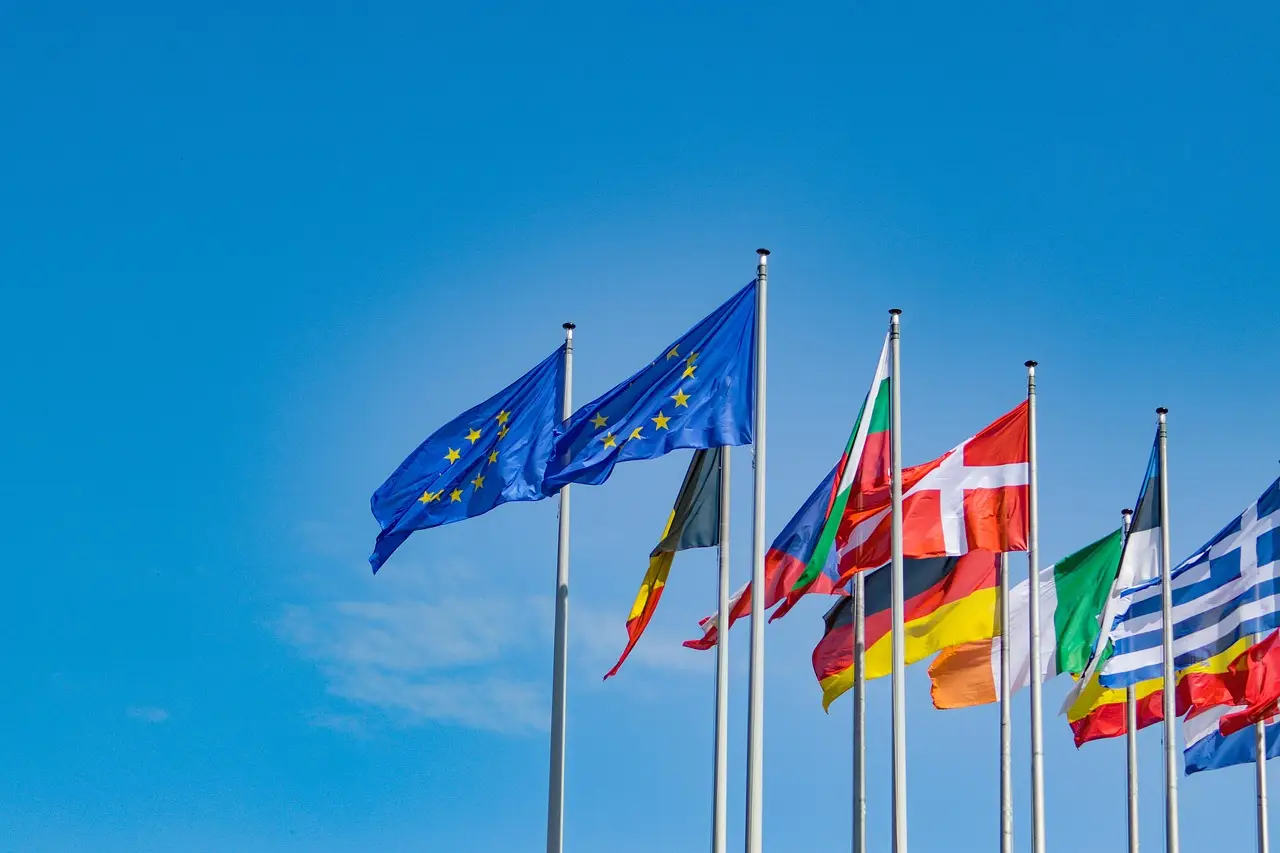
A "win-win" EU-UK deal could be struck within seven days, Andy Burnham said, as negotiators entered the final stretch before a keenly anticipated bilateral summit in Brussels next week.
Burnham was speaking at the European Political Community summit in Dublin, where he met fellow leaders ahead of the EU-UK gathering. Three agreements are on the table: a food and drink deal, an emissions-trading agreement, and a youth mobility scheme. Tuition fees for European students remain the sticking point.
What did Burnham say?
He framed the reset in unusually direct terms.
"I believe there is a good deal to be done that could be a win-win for Britain and Europe," he said. "The deal is not done, and there'll be some long nights ahead in the next seven days."
He argued the reset is about whether Britain can "take a step back to closer working relationships with Europe", adding: "We ended up with a far harder Brexit, I think, than people thought they were getting when they went to the polls."
He described the outcome he wants as "more like the Brexit that people thought they were voting for in 2016". The takeaway: the government wants to sell this as delivering the softer departure voters believed they chose nine years ago.
Why do tuition fees matter so much?
The EU has drawn a hard line. It says the prized food and drink deal and the emissions-trading agreement may not enter into force without a separate deal on tuition fees, under which European students would pay domestic rates.
Burnham acknowledged the talks amount to a package deal. He would not say whether he accepts the linkage.
"I'm going to be fighting hard for these benefits for Britain in the next seven days … They will make a real difference," he said. "If I can do anything to address the cost of living crisis, I should be doing it."
He has previously said the food and drink deal, which will ease Brexit red tape, will add 0.4% to British GDP. In short: Brussels is using market access as leverage over student fees.
What happens after the summit?
Burnham is expected to make the EU reset the centrepiece of his white-tie speech at the Lord Mayor's banquet on Monday night. The speech will range widely across foreign policy challenges.
No 10 sources said the address will focus on the upcoming Brussels summit and look ahead to the next stage in 2027, rather than outline what a more permanent close relationship might look like.
Officials at the summit will also set the agenda for the next round of the reset, expected to focus on a joint migration pact. Candidate areas include:
- collaboration on law enforcement and borders
- visas for touring artists
- mutual recognition of qualifications
What is the fight over Made in Europe?
The coming week is expected to be fraught with last-minute negotiation. The key battleground is access to Made in Europe, which has the potential to lock British firms out of continental supply chains and public contracts if no deal is done.
Negotiations could be challenging despite the possible lure of a UK concession on tuition fees in exchange for inclusion in the Made in Europe legislation. The EU has long said there cannot be a deal on Made in Europe at the summit, because it has yet to finalise its own position.
Separately, Ministry of Justice officials are trying to water down an EU ultimatum on halting the deportation of foreign national offenders. One Whitehall source said: "This is the classic wheeze that the EU always pulls at the last minute of negotiations."
The takeaway for business lawyers: supply-chain and public procurement exposure now turns directly on the next seven days.
What about migration cooperation?
The joint communique for 2027 is expected to call for strengthening efforts between the UK and the member states most exposed to the small boats crisis in the Channel.
That effort will centre on two things: the EU's Channel action plan, already in place since June this year, and a possible framework for a wider bespoke EU-UK migration plan.
The UK is believed to be pushing for access to the Eurodac database, which carries the fingerprints of asylum seekers, and to the Schengen Information System (SIS), which records details on fugitives, missing people and stolen goods. The UK was the third biggest user of SIS before it lost access through Brexit.
In plain words: Britain wants back into the policing and asylum data systems it surrendered on exit day.
via theguardian.com (Source)
More from Grace Kim
Show full bio
Correspondent covering companies, deals and strategy in International law and legal practice at Global Law Wire.
320 articles
Also before the court
- Lords committee warns UK-EU deal will draw Parliament scrutiny
- UK Open to Paying Into EU Funds for Electricity Market Access
- Spain Backs "Closest Relation Possible" Between UK and EU Ahead of Summit
- Cop31 Draft Text Tables Fossil Fuel Rift With Four Days Left
- UK-EU SPS deal will 'dissolve' £60m a year in plant trade costs