Law report · filed November 22, 2026
Trade LawReported case
UK and EU sign youth mobility, agrifood and emissions deals at rare summit
Only the second UK-EU summit since Brexit produces youth mobility for 100,000 each way, agrifood check removal and an emissions deal — at the price of accepting EU rules Britain does not write.
By Priya Raman4 min read776 words
Holding
- The second UK-EU summit since Brexit was held in Brussels on Friday, a decade after the referendum.
- Youth mobility scheme allows up to 100,000 young adults each way to live and work for up to three years.
- Burnham estimates the deals add 0.4% to Britain's economy.
- The UK must accept EU rules and standards it has no role in setting.
- Rejoining the EU would need British voter approval and unanimous EU support.
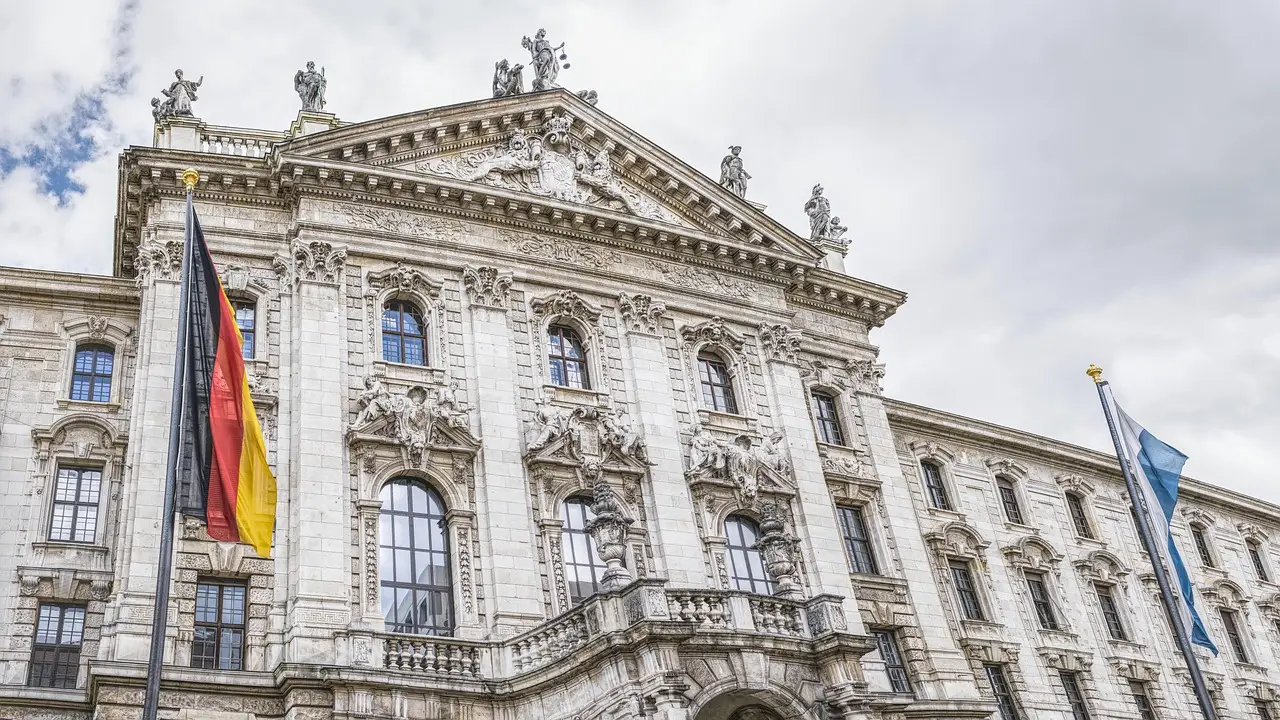
The European Union and the United Kingdom signed a package of agreements in Brussels on Friday, only the second summit between the two since Britain became the first country to leave the world's biggest trading bloc, with a youth mobility scheme capped at 100,000 places each way, an emissions trading agreement and a deal scrapping checks on agrifood exports.
Prime Minister Andy Burnham held just under an hour of talks with European Council President António Costa and European Commission President Ursula von der Leyen, followed by a plenary session bringing together UK government ministers and European commissioners. The summit arrives a decade after British voters chose to leave the EU.
Burnham framed the gathering as a step toward repairing ten years of damage. "The Brexit we were given has not worked. We have lost more than we gained," he said this week. He pitched the agreements as a way of "cutting costs, keeping prices down in the supermarkets and creating opportunities for young people," adding that "a closer partnership with Europe is good for working people, good for Britain and good for Europe."
What does the summit actually deliver?
The concrete elements are measurable but modest:
- A youth mobility agreement allowing up to 100,000 young British adults to live and work in EU countries for up to three years, with the same number of Europeans entitled to come to the UK.
- An emissions trading agreement linking the two sides' carbon regimes.
- A deal removing checks on food and agricultural products, reducing costs and friction for British exporters to Europe.
Burnham's own estimate puts the economic gain at 0.4% of Britain's economy — a fraction, not a transformation. That figure deserves scrutiny. It comes from the government that negotiated the package, and no independent assessment accompanies the announcement.
The legal price is explicit. To secure the deals, the UK must accept EU rules and standards it has no role in drafting. Supporters of Brexit argue that concession undermines British independence. The sovereignty question, in other words, has returned in regulatory form.
Is rejoining on the table?
Burnham has said all options belong on the table for future relations, including rejoining the now 27-nation bloc. He has stressed, though, that reversal is one possible outcome and far from imminent. Rejoining would require approval from British voters and the unanimous support of a mistrustful EU. What he has done is break a long political code of silence on the option itself.
EU officials have been reluctant to encourage such talk. They are weary, after the shifting demands of seven British prime ministers across the last decade, and want clarity about the country's intentions before reopening anything.
Ireland's ambassador in London, Sonja Hyland, made the point sharply. When Britain voted for Brexit, she said, "there was a lack of clarity as to exactly what that meant." If Britain wants to reopen negotiations, it must "make a clear decision as to what it wants."
What about security and migration?
The war in Ukraine and Britain's military strength are drawing the two sides back together. The summit gave the EU an opening to discuss stronger security and defense cooperation, alongside efforts to restrict irregular migration.
Von der Leyen set the tone before the meeting, saying she wanted it to be "a summit of ambition and concrete results. More opportunities for young people. Easier agrifood trade. And a stronger cooperation on economic security."
Costa struck the same chord. "Our security and prosperity are closely intertwined, making a strong partnership between us essential," he said. "By deepening our cooperation, we can strengthen our ability to address the challenges of our time, strengthen our resilience and promote stability in Europe and beyond."
What is the practical consequence?
For practitioners, the agreements create new channels — youth visas, carbon market linkage, frictionless agrifood trade — but each rests on UK regulatory alignment with rules set in Brussels. Exporters gain. Sovereignty lawyers and trade counsel will be busy. The political fight has already restarted: Reform UK leader Nigel Farage told the BBC, "I'm afraid that the great Brexit debate has just started again," and that "it's perfectly clear that this very, very soon becomes a debate about: do we rejoin or do we stay out?"
Feelings remain raw on both sides. The summit repairs fences; it does not rebuild the house. For now, the deals stand, the debate resumes, and nothing is decided.
The takeaway in plain words: Britain and the EU have signed modest, practical deals that cost London a say over the rules it must follow, while the bigger question of membership stays open but distant.
via feeds.npr.org (Source)
More from Priya Raman
Show full bio
Staff writer covering companies, deals and strategy in International law and legal practice at Global Law Wire.
376 articles
Also before the court
- UK and EU Seal Post-Brexit Reset: Trade, Carbon Markets, Youth Mobility
- EU-UK Summit in Brussels Seals Reset Deal, Denies UK Voting Rights
- UK-EU Deals Worth £17bn to GDP Enter Parliament as Rejoin Talk Grows
- EU-UK Summit Talks Enter Final Week as Tuition Fees Block Trade Deals
- UK and EU Strike 12-Page 'Reset Deal' Covering Trade, Carbon and Youth