Law report · filed November 22, 2026
Trade LawReported case
UK-EU deals on trade and youth mobility hinge on tuition fee clause
Three UK-EU deals on trade, emissions and youth mobility were signed in Brussels, but an EU declaration blocks adoption until Britain grants EU students domestic tuition fees.
By Priya Raman4 min read797 words
Holding
- UK and EU signed three deals in Brussels on Friday: food and drink, emissions trading, and youth mobility.
- The youth mobility scheme covers 100,000 young Britons with reciprocal EU access.
- Burnham said the deals add 0.5% to UK GDP, a £17bn boost.
- The EU will not adopt the deals without equal tuition fee treatment for EU students in the UK.
- Implementing legislation enters parliament next week.
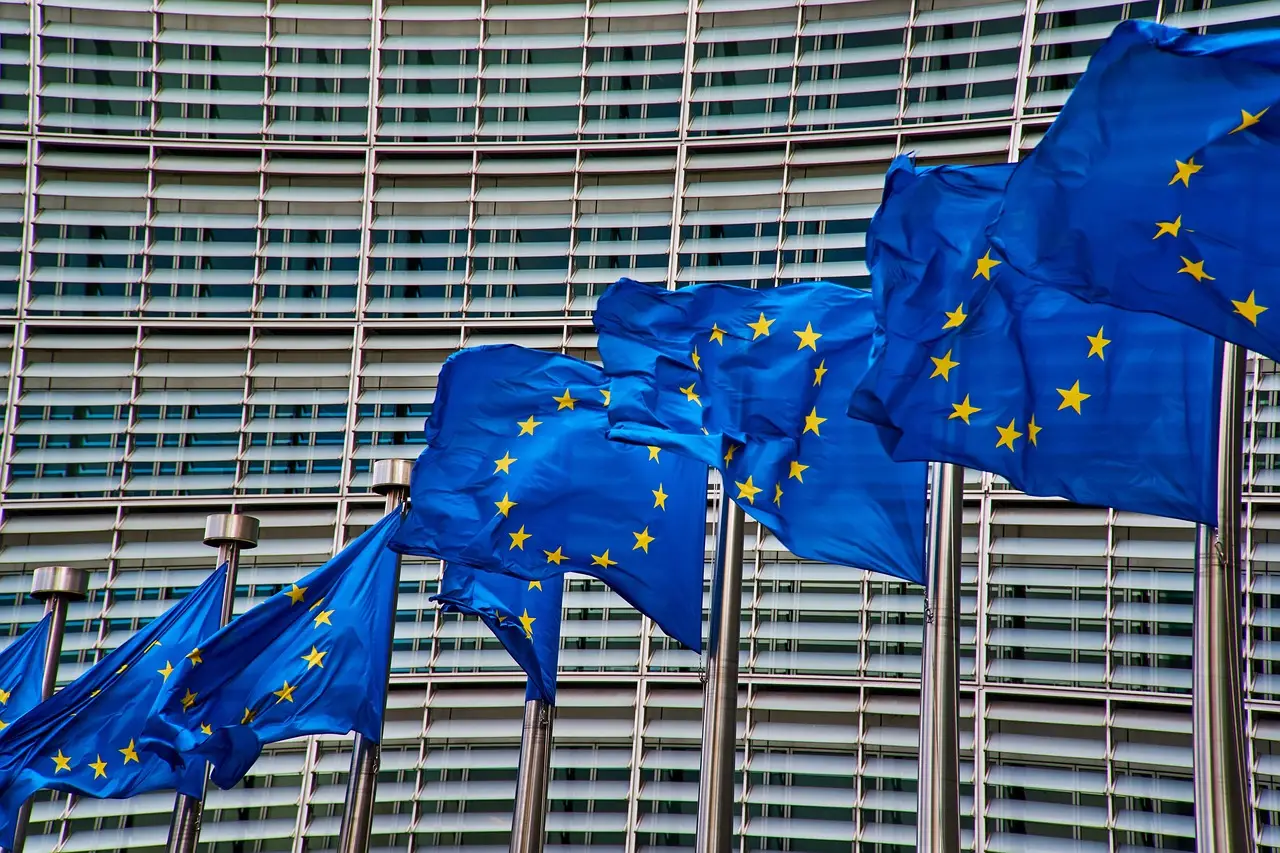
The European Union has declared it will not adopt the three UK-EU agreements announced in Brussels on Friday unless Britain grants European students domestic-level tuition fees, attaching a six-month fuse to the most significant deepening of ties since Brexit.
At a summit in Brussels, the EU and the UK announced deals on food and drink, emissions trading, and a youth mobility scheme allowing 100,000 young Britons to live, work, study and travel in the EU, with reciprocal access for Europeans in Britain. The prime minister, Andy Burnham, said the package would add 0.5% to British GDP, a £17bn boost to the economy.
But the confidential declaration, seen by the Guardian, states plainly: "The [EU] Council and [European] Commission consider that this agreement is to provide for equal treatment with nationals as regards tuition fees for all students." The EU will not adopt the agreements before "the conclusions of the negotiations … providing for equal treatment on tuition fees."
What does the ruling change?
The declaration converts a political disagreement into a legal precondition. Burnham insisted there was no confusion: "The deal is done. It is there in black and white in front of you." He said the legislation would enter parliament next week.
European Commission president Ursula von der Leyen played down the dispute, saying she was "confident we are going to find a solution". European Council president António Costa described the UK as "our closest neighbour, a reliable ally and a natural partner".
Nigel Farage, who held a retaliatory press conference in Brussels on Friday, said Burnham had been naive and that the EU had "used this moment to strongarm the British prime minister over tuition fee cuts for hundreds of thousands of EU students". Burnham challenged opponents to justify rejecting a deal he said would boost growth and deliver cheaper food and electricity. "Why would anybody turn their back on that?"
The takeaway: the deals exist on paper, but a separate EU statement gives Brussels a veto until the fees question is settled.
What are the practical consequences?
For practitioners, the immediate task is legislative: the implementing bill reaches parliament next week. The food and drink and emissions trading agreements require the UK to align with EU rules. British experts will be invited to relevant EU meetings, including on potential animal health emergencies, but will hold no voting rights. Burnham rejected the suggestion this amounts to a fig leaf, calling it "quite a moment" to have British experts back in EU meeting rooms.
France was said to be instrumental in shaping Britain's exclusion, though Paris argues its position was widely supported and reflects the reality that a non-member state cannot be a decision-maker.
The two sides also agreed a "partnership for economic resilience" addressing UK concerns over the EU's Made in Europe plans, which would give EU companies preference in public spending on key technologies such as renewables and electric cars. Britain has been pressing for inclusion so UK firms are not locked out of European supply chains. They further agreed to build "a common prosperity and economic security space", a response to shared concerns over artificially cheap Chinese goods depressing prices across Europe. Whether the UK must align with EU trade defences remains open. Burnham said the sides had agreed "to work together where we have common threats".
What was not said?
Burnham stressed that nothing in the current parliament would go much beyond this deal. The so-called brainstorming on future ties was "just looking at options in a new world, and having an open discussion about what those might be. It will be to inform the next parliament". He reiterated he would not get ahead of public opinion.
Von der Leyen said it was up to the UK to decide where the journey was going, adding: "We welcome this brainstorming, so count on us."
The German Social Democrat MEP Bernd Lange urged both sides to resolve the fees issue so studying remains affordable: "We can't open the door to young people and then price them out of walking through it."
One EU diplomat voiced frustration at British tactics: "The UK has a tendency to make even small questions so difficult. A British prime minister talks about a change of approach … Then in negotiations it seems like British negotiators act the same way they always had."
The summit closed with Burnham lunching on pea and mint soup, battered North Sea cod and chips, and Brussels waffle with fruit, after late-night talks went to the wire in an echo of the Brexit years. The deals were initiated by Keir Starmer.
In plain words: a headline economic package is signed, yet its fate rests on a fee dispute Brussels has made a condition of entry.
via theguardian.com (Source)
More from Priya Raman
Show full bio
Staff writer covering companies, deals and strategy in International law and legal practice at Global Law Wire.
376 articles
Also before the court
- UK-EU Deals Worth £17bn to GDP Enter Parliament as Rejoin Talk Grows
- UK and EU Seal Post-Brexit Reset: Trade, Carbon Markets, Youth Mobility
- UK-EU summit seeks 3 deals on Friday as food-rule dispute persists
- EU-UK Summit in Brussels Seals Reset Deal, Denies UK Voting Rights
- EU-UK Summit Talks Enter Final Week as Tuition Fees Block Trade Deals