Law report · filed November 22, 2026
Trade LawReported case
UK and EU Seal Post-Brexit Reset: Trade, Carbon Markets, Youth Mobility
Britain and the EU signed trade, carbon-market and youth mobility agreements in Brussels worth up to £17 billion in GDP, though most provisions take effect no earlier than 2028.
By Amara Osei4 min read772 words
Holding
- UK and EU signed three agreements in Brussels on Friday; most changes take effect no earlier than 2028.
- Treasury estimates the package could add 0.5% to GDP, or £17 billion; food deal alone worth £5.1 billion a year.
- Youth Experience Scheme allows 100,000 young people from each side up to three years abroad.
- University tuition fee talks unresolved, with a six-month target; electricity market talks due to conclude in 2027.
- YouGov poll: 63% of Britons call Brexit more a failure than a success; 54% accept a new referendum within five years.
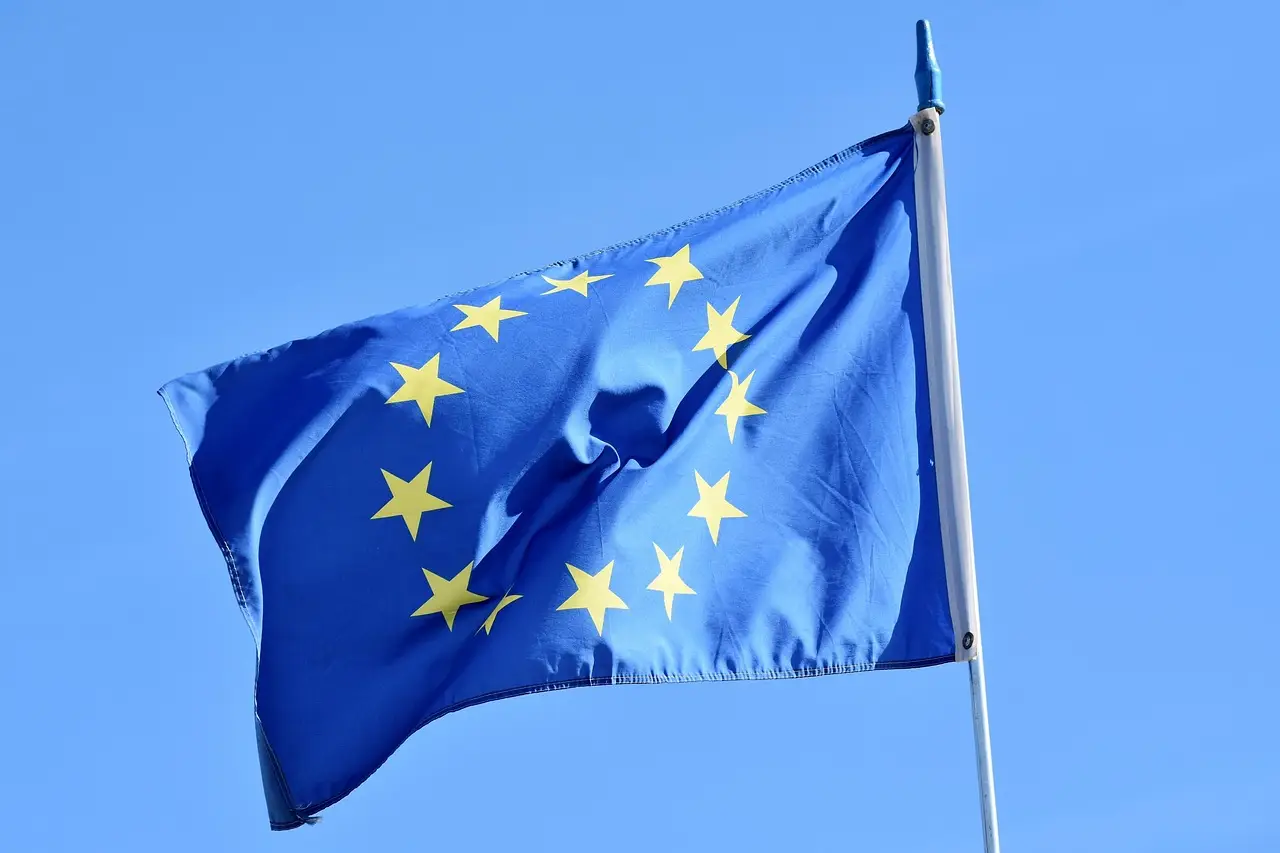
Britain and the European Union signed three framework agreements in Brussels on Friday, promising up to £17 billion in annual economic gains and a youth mobility scheme covering 100,000 young people from each side — but most of it arrives no earlier than 2028.
The summit brought together British Prime Minister Andy Burnham, European Commission President Ursula von der Leyen and European Council President António Costa, six years after Britain formally left the bloc and a full decade after the 2016 referendum. The three main agreements still require legal steps before taking effect. University tuition fees remain unresolved; the parties have committed to concluding those talks within six months.
What did the parties actually agree?
The package contains three operative elements, each with its own timetable:
- Food and farming. Most paperwork and border checks on animal and plant products traded between Britain and the EU will be removed. The British government targets March 1, 2028 for entry into force.
- Carbon markets. Emissions allowances issued by either side will be mutually recognised, and exporters gain protection from certain carbon border charges. The arrangement is expected to begin in 2028.
- Youth Experience Scheme. Up to 100,000 young people from each side may spend up to three years in the other territory to work, study, travel or volunteer.
Von der Leyen also confirmed Britain will rejoin the Erasmus+ student exchange programme. "This is wonderful — we missed them so much," she said.
Costa welcomed the British effort to rebuild relations, saying Europe "remains open to have the closest possible relationship between the European Union and the United Kingdom." He added: "The United Kingdom is our closest neighbour, a reliable ally and the natural partner."
The arithmetic is the story here: 100,000 placements per side, three years each, and £5.1 billion (about $6.7 billion) annually from the food and drink agreement, plus a further £3.8 billion (about $5 billion) a year from linking carbon markets. That is roughly £9 billion a year before one counts energy-market effects.
What does the deal change for practitioners?
For trade lawyers, the principal consequence arrives in March 2028, when the removal of sanitary and phytosanitary checks should collapse a substantial compliance workload for food, animal and plant exporters — paperwork that has functioned as a de facto tariff since Brexit. Energy and emissions practitioners face a different timeline: Britain's participation in the EU's internal electricity market is only now heading into negotiation, with talks expected to conclude in 2027, while mutual recognition of allowances will require recalibrated hedging and compliance strategies on both sides. Migration practitioners should note the new cooperation and information-sharing provisions aimed at criminal networks facilitating English Channel crossings. Nothing binds anyone yet. The legal instruments must still clear their respective procedural hurdles.
How big is the economic claim?
Burnham cited Treasury estimates that the total package could raise Britain's GDP by 0.5% — the equivalent of £17 billion. He called the package "the single biggest growth measure that we could take in this Parliament, and I am proud that we've been able to reach this agreement."
He also said the agreements would cut grocery costs by reducing exporters' expenses, and pointed to potential savings on electricity bills through closer cooperation with European energy markets.
What remains unresolved?
Tuition fees for students crossing the Channel top the list, with a six-month target for a deal. Electricity-market participation follows in 2027. On migration, Burnham said the new cooperation addressed public concerns about illegal crossings.
The prime minister remains bound by Labour's manifesto commitment — established by his predecessor Keir Starmer — ruling out rejoining the EU, the single market or the customs union. In October, however, he said he would like to see Britain rejoin the EU in his lifetime, insisting the public should decide. Those red lines could be erased if he wins the next general election.
Why now?
Public opinion has shifted. A YouGov poll published Wednesday found 63% of Britons consider Brexit more of a failure than a success; only 9% call it a success. Some 58% believe Britain was wrong to leave, against 32% who think the decision was right. A majority — 54% — said another membership referendum within five years would be acceptable.
Burnham framed Friday's agreements as a turning of the page. "I believe this reset with the EU today will draw a line on a decade of drift and division," he said. "I think people across Britain can look forward now to a better, more hopeful decade ahead of us."
A decade of drift, formally closed. The paperwork returns in 2028.
via gov.uk (Original)
More from Amara Osei
Show full bio
Senior reporter covering people, launches and day-to-day practice in International law and legal practice at Global Law Wire.
382 articles
Also before the court
- EU-UK Summit in Brussels Seals Reset Deal, Denies UK Voting Rights
- UK-EU Deals Worth £17bn to GDP Enter Parliament as Rejoin Talk Grows
- UK and EU sign youth mobility, agrifood and emissions deals at rare summit
- UK-EU deals on trade and youth mobility hinge on tuition fee clause
- UK-EU reset deal sets 100,000 youth mobility cap each way