Law report · filed November 22, 2026
LegislationReported case
95 States Back Autonomous Weapons Treaty Talks; U.S. and Russia Refuse
Ninety-five states back treaty talks on autonomous weapons at the Geneva CCW conference, but U.S. and Russian opposition — and the consensus rule — could block any binding deal.
By Marcus Bennett3 min read686 words
Holding
- 95 states backed binding-treaty negotiations at the CCW Seventh Review Conference in Geneva.
- Russia blocked agenda adoption on November 16; chair Julien Thöni suspended the plenary.
- U.S. working paper of November 4 proposes a nonbinding instrument by 2029 under a five-year mandate.
- UN disarmament committee voted 163 to 5 for advancing negotiations; the U.S., Russia, Belarus, North Korea and Israel opposed.
- Group of Governmental Experts mandate expires at the end of 2026 under the consensus rule.
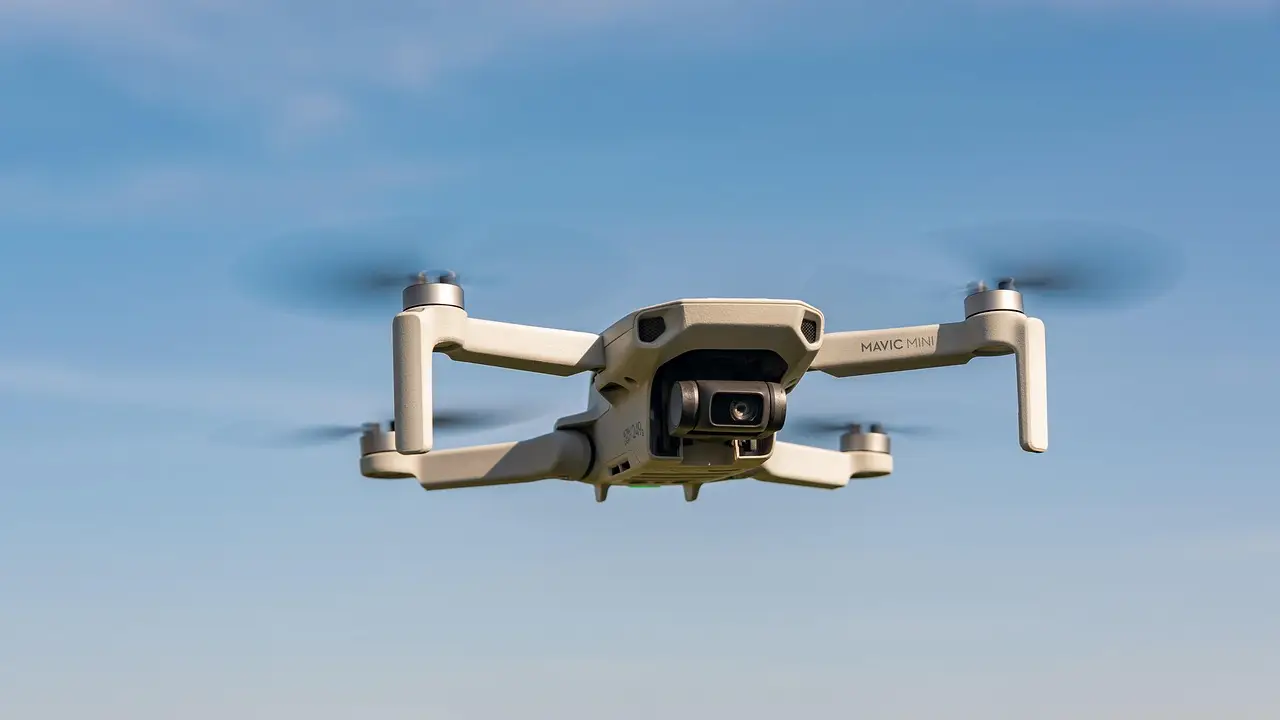
Ninety-five states have backed negotiations on a legally binding treaty restricting autonomous weapons, yet the United States and Russia stand ready to block them. The count came from the floor of the Seventh Review Conference of the Convention on Certain Conventional Weapons, under way at the Palais des Nations in Geneva and chaired by Swiss Ambassador Julien Thöni.
Nicole van Rooijen, executive director of the Stop Killer Robots campaign, told an NGO press briefing in Geneva: "We are at a critical juncture." She said the positions of Washington and Moscow sit "at the other extreme" from the majority of states pushing toward talks.
The 95-state figure is lower than the 130 countries Stop Killer Robots cited before the conference opened. The conference-room tally appears to cover only countries that spoke during the Geneva sessions.
What must the conference decide?
The 128 states party to the convention are weighing next steps on lethal autonomous weapons systems. Their discussions cover the work of the Group of Governmental Experts, established in 2016. That group's mandate expires at the end of 2026.
The consensus rule is the crux. Any single participating state can veto an agreement, giving Washington and Moscow effective power over whether talks advance.
How did Russia disrupt the opening?
Russia blocked adoption of the conference agenda roughly 20 minutes into the opening session on November 16. Moscow insisted that the European Union and NGO observers be limited to a single session at the week's end. Thöni responded that allowing observers to speak is long-established practice.
When Russia refused to move, Thöni suspended the plenary meeting. He shifted discussions to informal consultations on November 17. Observers could still take part, but the sessions fell outside the formal agenda and were not webcast. The United States, Britain, Canada, Norway, Panama, Mexico and Austria all spoke in favor of observer participation.
What does the U.S. proposal offer?
A U.S. working paper dated November 4 proposes a five-year diplomatic mandate with 10 meeting days each year. The instrument would be nonbinding and adopted by consensus. An initial version would be produced in 2029, with updates in 2030 and 2031, and a report to the next review conference in 2031. The paper is available through the United Nations documents website.
Competing drafts are more ambitious. Thöni has proposed a two-year mandate to negotiate a legally binding protocol, with 30 negotiating days and a 2028 target. Austria, Belgium, Brazil, Ireland, Mexico, New Zealand and Panama have jointly proposed 25 negotiating days in 2027. Britain, Germany and France favor talks on an instrument whose legal status remains open, according to Verity Coyle of Human Rights Watch. Campaigners said France is seeking support for a hybrid approach combining binding rules with voluntary measures.
How strong is global support?
United Nations Secretary-General António Guterres addressed the conference by video on November 16. He urged countries toward a legally binding instrument with clear prohibitions and restrictions. "I urge you to seize this moment," he told delegates.
Before Geneva, the General Assembly's disarmament committee voted 163 to 5 for a resolution calling on convention parties to advance toward negotiations. The United States, Russia, Belarus, North Korea and Israel voted against. Nine countries abstained, including China. The vote signals broad support but does not override the consensus requirement inside the convention.
Could talks move outside Geneva?
Campaigners say states seeking a binding agreement could take the issue to the UN General Assembly if Geneva remains blocked. The General Assembly adopts resolutions by majority vote, not consensus. Magnus Løvold of the Lex International fund pointed to the 2008 Convention on Cluster Munitions as a precedent for an agreement built outside the conventional framework.
For practitioners and delegations, the practical stakes are procedural. A blocked mandate at the end of 2026 would leave autonomous weapons unregulated by treaty, while a shift to the General Assembly would change the negotiating forum, the voting rule and the likely breadth of any resulting instrument.
The conference continues under Thöni's chairmanship, with informal consultations carrying work that the suspended plenary could not.
via wonderwall.com (Source)
More from Marcus Bennett
Show full bio
Market editor covering regulation, policy and their impact on International law and legal practice at Global Law Wire.
374 articles
Also before the court
- UN Talks Extend Killer Robot Negotiations to 2028, No Binding Rules
- Geneva Talks on 'Killer Robots' Meet Five-Year Clock and Great-Power Resistance
- U.N. Deal Defers Killer Robot Rules for Two Years
- CCW Experts Adopt LAWS Report; 70 States Ready for Binding Treaty
- GGE LAWS Reaches Consensus: 2026 Report Sets Out Autonomous Weapons Elements