Law report · filed November 20, 2026
Trade LawReported case
EU-UK Summit in Brussels Seals Reset Deal, Denies UK Voting Rights
Brussels summit on 20 November 2026 delivered a food and drink deal, carbon trading link, capped youth mobility scheme and first-ever asylum returns dialogue — but no voting rights.
By Amara Osei4 min read820 words
Holding
- EU-UK summit in Brussels on 20 November 2026 agreed a sanitary common area, ETS link, and youth mobility scheme capped at 100,000 EU citizens under 31.
- France blocked UK voting rights on food standards legislation; the UK will be consulted at key stages only.
- A leaked draft establishes the first UK-EU 'structured dialogue' on returning rejected asylum seekers to third countries.
- The food deal requires UK alignment with EU rules and is not expected to take effect until 2028; the youth scheme may not launch until 2030.
- Tuition fees were deferred under a supplementary agreement to be resolved within six months.
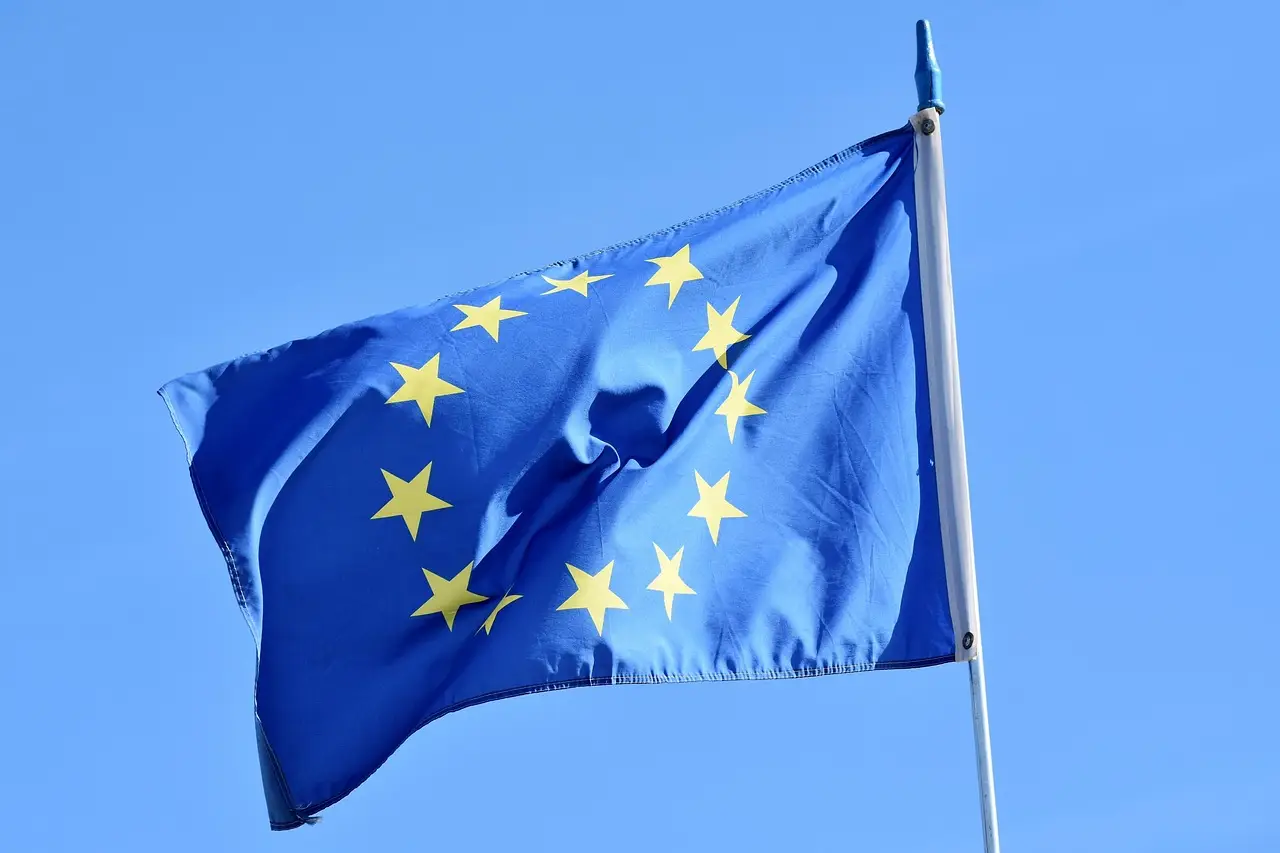
The EU and the United Kingdom signed a reset package in Brussels on Friday, 20 November 2026, after a late-night compromise text survived the bloc's "silence procedure" without objection from any member state. UK Prime Minister Andy Burnham attended the second post-Brexit summit alongside European Commission President Ursula von der Leyen and European Council President António Costa.
The headline outcomes are concrete. But the fault lines are equally concrete.
What was agreed?
- A food and drink agreement creating a sanitary and phytosanitary common area, removing much of the Brexit red tape on animal and plant products and easing trade in meat, cheese, wine and flowers. It is not expected to take effect until 2028.
- An electricity and carbon emissions deal linking the British emissions trading system to the larger EU scheme severed by Brexit. EU and UK businesses will be exempt from each other's charges on high-carbon imports such as steel, cement and electricity.
- A youth mobility scheme capped at 100,000 EU citizens under 31 coming to the UK, giving those aged 18 to 31 the right to live, work, travel and study on both sides of the Channel for up to three years. It may not be operational until 2030.
- A structured dialogue on returns to third countries — the first formal UK-EU talks on sending rejected asylum seekers to third-country hubs.
Both agreements on standards require UK alignment with EU rules. The government must, for example, abandon a planned ban on foie gras imports.
What happened to voting rights?
France drew a line in the sand. Paris insisted the UK could not hold voting rights at any stage in shaping EU legislation on food standards and public health risks relating to food and agri-products. The UK pushed hard for such rights. It lost.
Instead, the UK will be consulted at key stages. Industry groups say that must place UK regulators in the room at the early stages, where food regulation's highly technical decisions are actually taken.
One diplomat put the lesson plainly: "It puts down a marker warning the UK that cherry picking bits of the single market mean you are a rule taker." The diplomat added that the episode "makes the choice for Britain starker and more binary," showing that "the alternatives are basically muddling along with a version of the status quo or rejoining."
The tuition fees question was kicked down the road. A supplementary agreement commits both sides to resolving it within six months, which allows the UK to hold up the youth deal if the EU does not deliver what it needs in the Made in Europe legislation, itself expected to reach final negotiation stages by Easter.
What does the asylum dialogue change?
The leaked draft joint statement, expected to be signed by Burnham and von der Leyen on Friday morning, establishes "a structured dialogue" on "returns to third countries." This is the first time the UK and the EU have agreed to open a dialogue on returns since the launch of the bloc's Channel action plan in June this year.
The Home Office has pursued bilateral removal agreements with third countries, without obvious success. Last week, five EU states — Austria, Denmark, Germany, Greece and the Netherlands — announced an agreement in principle with Rwanda to establish a migrant return hub there in 2027.
Burnham hinted at cooperation last week. "We will watch that [the five-country deal] with interest, learning from what went on in the past," he told reporters, adding: "The public want us to do whatever we can to deal with illegal immigration."
Whitehall sources confirmed the UK is now open to sending rejected claimants to Rwanda — a pivot from the position under Keir Starmer's government, which rejected the move.
What does the reset leave off the table?
Several large member states made clear this week that the way forward is not more iterative reset summits or mini-deals. Talks will proceed on UK entry into the energy single market, which serves both sides' interests after the Ukraine war. There will be no talks on pharma or chemicals, according to some capitals.
The atmosphere was cordial enough. Burnham arrived to a rendition of God Save the King and the Ode to Joy at the opening ceremony around 10.30am local time, followed by the leaders' meeting and a plenary session with UK ministers and EU commissioners.
For practitioners, the practical consequence is a mixed settlement. Exporters of animal and plant products gain a genuine dividend from 2028, and carbon-intensive industries escape double charging under the linked trading systems. In exchange, the UK accepts rule-taking on food standards, with consultation rights but no vote. The message from Brussels was not subtle: the benefits of the club are not extended to non-members.
The takeaway in plain words: Britain bought market access and paid for it in sovereignty over the rules.
via theguardian.com (Source)
More from Amara Osei
Show full bio
Senior reporter covering people, launches and day-to-day practice in International law and legal practice at Global Law Wire.
382 articles
Also before the court
- UK and EU Seal Post-Brexit Reset: Trade, Carbon Markets, Youth Mobility
- UK and EU sign youth mobility, agrifood and emissions deals at rare summit
- UK-EU reset deal sets 100,000 youth mobility cap each way
- UK-EU Deals Worth £17bn to GDP Enter Parliament as Rejoin Talk Grows
- UK-EU deals on trade and youth mobility hinge on tuition fee clause