Law report No. GLW-2865 · filed November 17, 2026
Courts & TribunalsReported case
Judge Finds CBP Phone Seizure of Immigration Lawyer Likely Retaliatory
Judge Allison Burroughs ruled CBP agents likely retaliated against attorney Andrew Lattarulo over his immigration advocacy when they seized his phone at Boston Logan in September 2025.
By Grace Kim2 min read471 words
Holding
- U.S. District Judge Allison D. Burroughs ruled on Friday that CBP agents likely retaliated against attorney Andrew Lattarulo for criticizing federal immigration policy.
- Agents seized Lattarulo's phone without a warrant at Boston Logan International Airport in September 2025 and downloaded its contents.
- The ruling mandates federal officials preserve all copied cellphone data without accessing it as litigation continues.
- Burroughs also found federal agents likely violated Lattarulo's First Amendment rights.
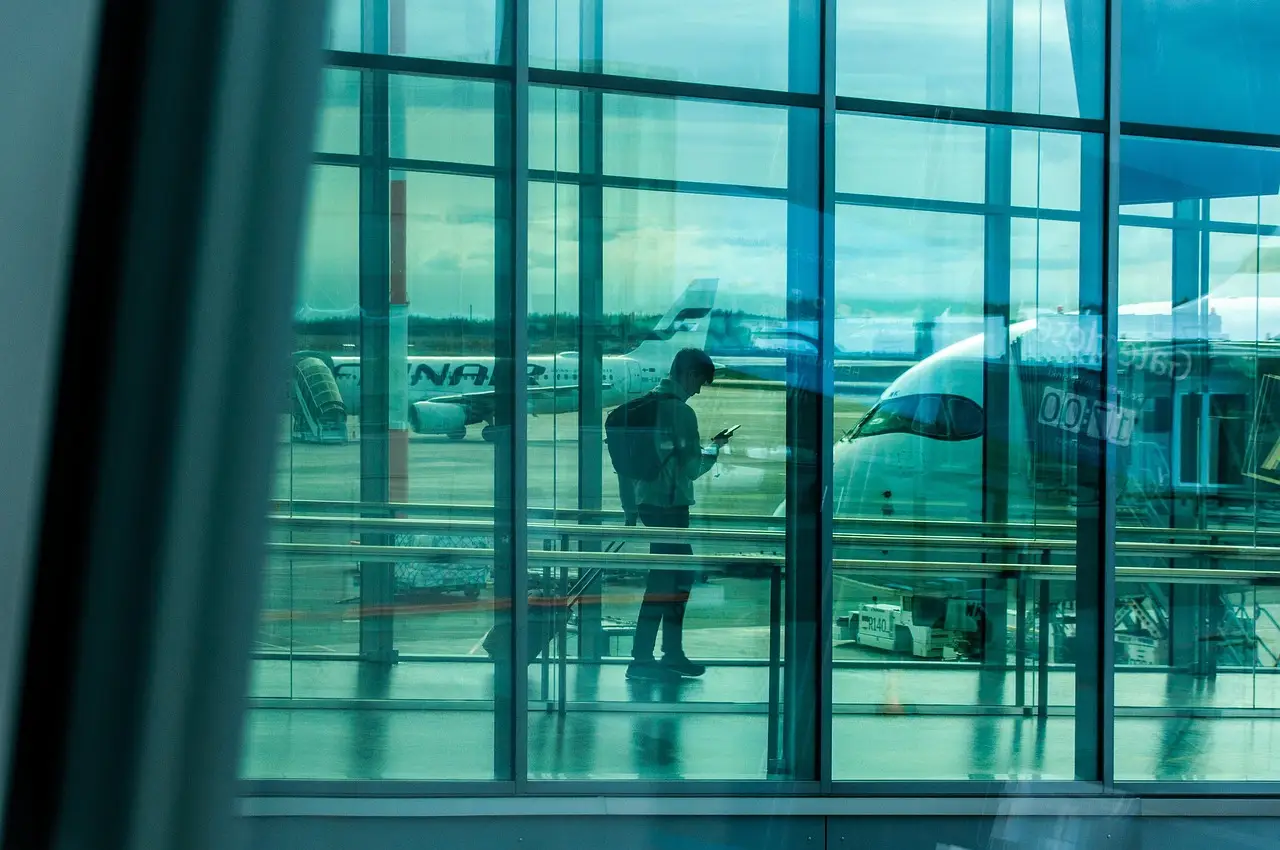
A federal judge ruled Friday that U.S. Customs and Border Protection agents likely retaliated against an immigration attorney for his public criticism of federal immigration policies when they seized his cellphone at Boston Logan International Airport in September 2025.
U.S. District Judge Allison D. Burroughs of the District of Massachusetts also found that federal agents likely violated the First Amendment rights of Andrew Lattarulo, a co-owner of the Massachusetts law firm Georges Cote.
Lattarulo runs an Instagram account featuring videos explaining immigrants' rights and critiquing federal immigration policies. His lawsuit alleges that agents targeted him because of that advocacy.
What did the agents do?
The seizure happened at Boston Logan International Airport in September 2025. Agents seized Lattarulo's phone without a warrant. They then downloaded a copy of its contents before returning the device to him.
The government has claimed the seizure formed part of an investigation into his firm for potentially employing unauthorized immigrants.
Lattarulo's lawsuit tells a different story. It alleges agents targeted him because of his advocacy and seized information that included confidential communications with his clients.
What does the ruling change?
Judge Burroughs' ruling mandates that federal officials preserve all copied cellphone data without accessing it while litigation continues, according to a report by Law.com. That preservation order is the operative consequence of Friday's decision.
For practitioners, the decision carries a clear signal. Border searches of attorneys' devices now face meaningful judicial scrutiny when the circumstances suggest viewpoint-based motivation. Lawyers who publicly criticize government policy can point to this ruling when seeking to protect privileged material seized at the border.
The ruling is a preliminary finding, not a final judgment. Burroughs found the retaliation "likely," which is the standard threshold at this stage of litigation. The underlying claims will continue to be litigated.
Still, the court's willingness to credit the retaliation theory at this early stage matters. It signals that courts will examine the stated rationale for a seizure against the surrounding facts, including the target's protected speech.
Why does this matter for attorney-client privilege?
The seized phone contained confidential communications between Lattarulo and his clients, according to his lawsuit. The government downloaded that material without a warrant.
The preservation order now bars federal officials from accessing the copied data as the case proceeds. That restriction protects both Lattarulo and his clients while the court weighs the merits.
For immigration practitioners, the case highlights a growing risk: border seizures of attorney devices can sweep in privileged client files. Friday's ruling gives lawyers a procedural tool, a preservation order, to freeze government access to that material during litigation.
The takeaway: a federal judge has put the government on notice that seizing a lawyer's phone in apparent retaliation for protected speech likely violates the First Amendment.
via law.com (Original)
More from Grace Kim
Show full bio
Correspondent covering companies, deals and strategy in International law and legal practice at Global Law Wire.
320 articles
Also before the court
- Boston Court Blocks Feds From Searching Seized Lawyer's Phone
- Federal judge orders White House records search in ABA 'Big Law' case
- Federal Prosecutors in Washington Will Stop Defending Many Habeas Cases
- Second Circuit Backs 'Suspicionless' Border Searches of Digital Devices
- Supreme Court stays injunction blocking Big Bend border barriers