Law report No. GLW-6398 · filed October 10, 2026
Courts & TribunalsReported case
Second Circuit Backs 'Suspicionless' Border Searches of Digital Devices
The U.S. Court of Appeals for the Second Circuit has ruled that federal officers may conduct warrantless, suspicionless searches of travelers' digital devices at U.S. ports of entry, aligning with the prevailing view among federal appeals courts.
By Amara Osei3 min read560 words
Holding
- The Second Circuit held that border officers may search travelers' digital devices without individualized suspicion.
- The decision treats smartphones, laptops, and tablets as analogous to physical luggage for border-search purposes.
- Border-search doctrine traces to U.S. Supreme Court rulings including United States v. Ramsey (1977).
- Officers may search a device on arrival without explaining why; refusal can prompt seizure of the device or denial of entry.
- The ruling aligns with the prevailing view among federal appeals courts and may face rehearing en banc or Supreme Court review.
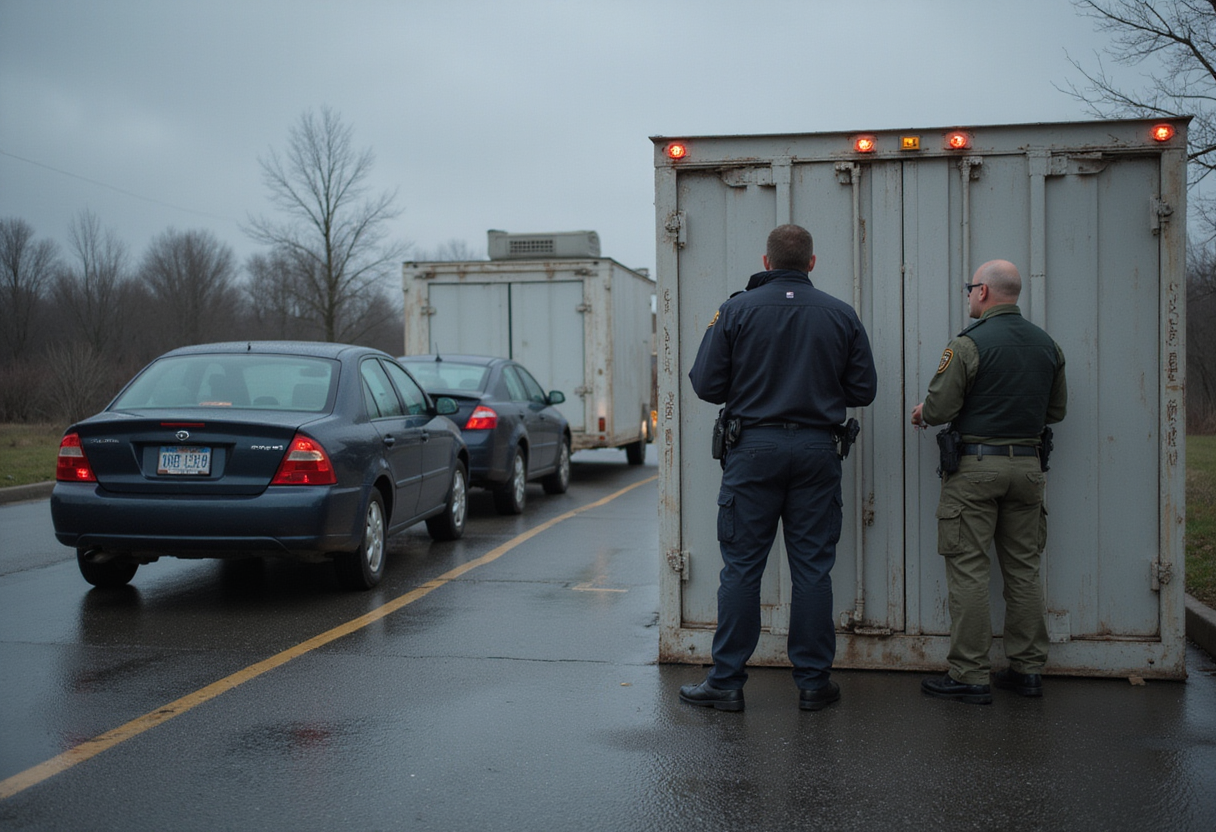
The U.S. Court of Appeals for the Second Circuit has authorized federal officers to conduct warrantless, "suspicionless" searches of travelers' digital devices at U.S. ports of entry, according to a Lexology summary of the decision.
The ruling addresses a question federal courts have wrestled with for more than a decade: whether the "border search exception" — the doctrine permitting officers to inspect people and goods without a warrant or probable cause — extends in full to smartphones, laptops, and other electronics.
What the court held
The Second Circuit held that border officers may examine the contents of travelers' electronic devices without first establishing individualized suspicion. In the court's view, the historical authority of border officials to inspect items entering the country covers the data stored on a phone as readily as the contents of a suitcase.
The decision reflects the principle that travelers carry a reduced expectation of privacy at international borders. The Second Circuit's reading aligns with the prevailing view among federal appeals courts, while departing from arguments that forensic searches of phones warrant at least reasonable suspicion.
Why the border works differently
The Fourth Amendment bars "unreasonable searches and seizures." For more than a century, courts have recognized a border-search exception rooted in the federal government's sovereign interest in controlling what enters the country. The U.S. Supreme Court endorsed that exception in decisions including United States v. Ramsey (1977), drawing on customs and immigration enforcement authority that predates the Bill of Rights.
The exception applies at the physical border and at its "functional equivalents" — international airports being the most common example. For luggage, courts allow routine, suspicionless inspections. Digital devices complicate the analysis because a single phone may store emails, photographs, location histories, financial records, medical information, and confidential business files.
The Second Circuit concluded that the digital nature of stored information does not, by itself, demand a warrant. The ruling treats the contents of a smartphone as analogous to the contents of a briefcase in this context.
What changes for practitioners
Immigration and criminal-defense lawyers advising clients who travel internationally should counsel that:
- Officers may search a device on arrival without explaining why.
- Refusal to unlock a device can trigger seizure of the device or denial of entry.
- A refusal does not automatically supply probable cause for further detention, though the analysis remains fact-specific.
- Sensitive materials — attorney-client communications, journalist sources, medical records — receive heightened but not absolute protection under existing CBP and ICE directives.
- Travelers whose devices are seized retain administrative remedies and, in criminal cases, may move to suppress evidence derived from an unlawful search.
Corporate counsel for firms with international travelers should review device-handling protocols, including loaner phones, encrypted storage, and pre-travel data minimization.
What comes next
The ruling will likely face a petition for rehearing en banc and, possibly, a writ of certiorari to the U.S. Supreme Court. It may also revive legislative interest in bills that would require a warrant for digital searches at the border.
Practitioners should monitor the Second Circuit's docket, Department of Homeland Security guidance, and any rule changes from U.S. Customs and Border Protection.
For now, the panel treats the digital and the physical as analogous at the border. That framing will shape the next inspection, the next suppression motion, and the next trip through customs.
via GN Lexology (Source)
More from Amara Osei
Show full bio
Senior reporter covering industry trends and analytics at Global Law Wire.
186 articles
Also before the court
- US Supreme Court Ruling Puts Transatlantic Data Deal at Risk, CEPA Reports
- Second Circuit Ruling May Reshape Pending App Store Antitrust Cases
- EU Court of Justice Weighs BYOD in Competition Dawn Raids
- US Trade Court Finds Trump Tariffs Illegal, Narrow Block Follows
- US Judge Finds Google Should Relax Ad Tech Rules, Take Antitrust Monitor