Law report No. GLW-3594 · filed November 18, 2026
Trade LawReported case
UK ministers to drop foie gras import ban for EU food deal
UK ministers will drop a proposed foie gras import ban on Friday to advance an EU food-trade agreement, while animal-welfare groups accuse the government of sacrificing welfare for closer ties.
By Sophie Lindqvist5 min read906 words
Holding
- Friday in 2026: UK ministers will drop the proposed commercial import ban on foie gras.
- 2007: The UK banned domestic foie gras production.
- 2021: Fortnum & Mason removed foie gras from its shelves.
- Up to £5bn a year: Defra says the EU food and drink deal could benefit the British economy.
- Almost seven years after Brexit: foie gras remains on restaurant menus across the UK.
By Sophie Lindqvist
UK ministers will drop a proposed foie gras import ban on Friday in 2026, advancing an EU food deal that the government says could boost the British economy by up to £5bn a year.
The reversal will keep imported foie gras legal while opening the way to fewer checks and paperwork on food and drink moving between the UK and the European Union.
The Financial Times first reported the planned retreat. Government insiders indicated that ministers would drop the measure, while stressing that British production of foie gras remains prohibited.
What exactly will the government drop?
The abandoned measure would have barred the commercial import of foie gras. It would not have changed the domestic production ban, which has applied since 2007. Because the import restriction remained only a proposal, dropping it preserves the present position rather than removing an operative ban.
The distinction is the legal equivalent of banning a product made at home while allowing shops to sell the same product made abroad. Foie gras production in the UK already relies on a ban; imports made under force-feeding methods may continue.
Before the election, then-shadow environment secretary Steve Reed said Labour would “ban the commercial import of foie gras, where ducks and geese are aggressively force-fed”. He called the practice “beyond disgusting”.
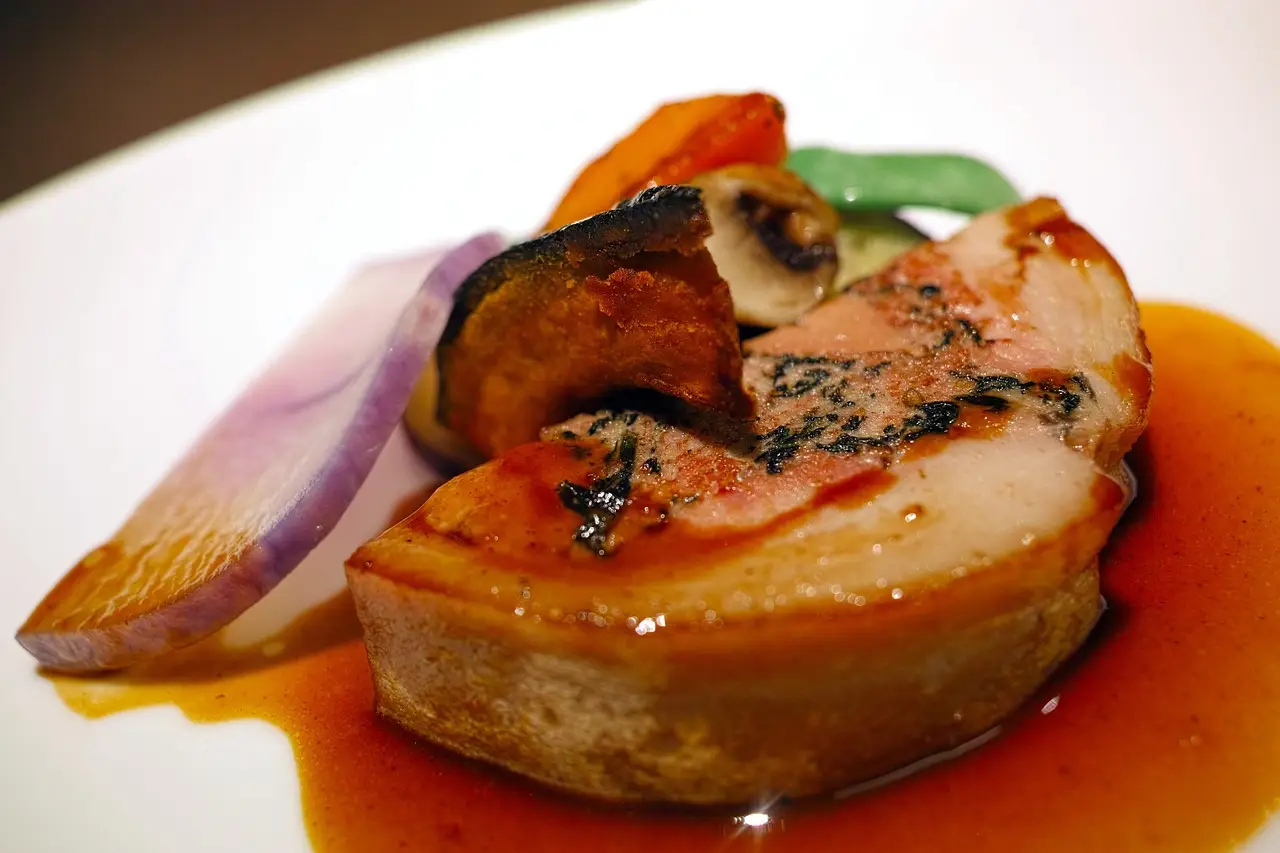
Foie gras comes from force-feeding ducks or geese grain through a funnel or tube inserted into the bird’s neck. The process, called gavage, enlarges the liver to many times its normal size before the organ is harvested.
What does the EU food agreement change?
The announcement will accompany a sanitary and phytosanitary (SPS) agreement. SPS rules govern food-safety and plant-health controls. Here, the deal will reduce border checks and paperwork on imports and exports of food and drink with the EU.
A Department for Environment, Food and Rural Affairs spokesperson said:
“We are negotiating a food and drink deal that will slash red tape and costly paperwork, make it easier and cheaper to export seafood, boost the British economy by up to £5bn a year, and back British businesses and jobs.”
“We are working closely with businesses to ensure a smooth transition so they can make the most of the benefits this deal unlocks.”
Why did ministers reverse course?
France and other EU countries make and export foie gras. Those governments oppose other EU members imposing their own import bans, which has made a UK prohibition difficult to defend during trade negotiations.
The Guardian reported earlier in 2026 that ministers were preparing to drop the ban to obtain concessions. The final announcement ties the decision directly to the wider EU food and drink package.
Labour had made the import ban an election pledge. Boris Johnson’s government had also promised to use Brexit powers to ban what it called the “cruel” product. Foie gras still appears on menus across the country almost seven years after the UK officially left the EU.
Who is still selling foie gras?
Some restaurants continue to serve the product, although many shops have taken it off their shelves. Fortnum & Mason, the king’s grocer, removed it in 2021. The restaurant trade therefore remains divided between continued sales and a broader retreat from a dish once widely available.
French chef Alexis Gauthier once ran the London restaurant that sold more foie gras than any other. He converted to a vegan diet and menu, and his Soho restaurant now sells a mushroom-based “faux gras”. Customers include former Beatle Paul McCartney.
Gauthier called the policy reversal terrible news. He said the government capitulated too easily and that foie gras’s cruelty belongs in history books, rather than in a progressive society in 2026.
Will Murray, co-founder of the sustainable London restaurant Fallow, serves a mushroom parfait instead. He called the decision a step in the wrong direction for animal welfare, but said London diners were not asking for a major return of foie gras to menus.
What do animal-welfare groups say?
David Bowles, the RSPCA’s head of public affairs, said he was extremely disappointed with the outcome. He argued that shelving the import plan to ease EU realignment put farm-welfare laws on the chopping block and would be a clear backwards step for animals.
A Four Paws spokesperson said the UK had prohibited production nearly 20 years ago because of the serious welfare concerns tied to force-feeding. Yet imported foie gras made through the same methods could still enter and sell in Britain. The charity warned that closer EU ties must not make animal welfare a casualty.
Sustainability chefs and animal-welfare charities have criticised the U-turn. Their objection is that shelving the pledge weakens an animal-welfare commitment made during the election campaign. A Defra spokesperson nevertheless said the production method raises welfare concerns.
What changes for food-law practitioners?
The decision leaves the legal position intact. Imported foie gras remains saleable, while domestic production remains barred. Friday’s SPS package targets fewer checks and less paperwork in the administrative framework for food and drink trade, without altering the 2007 production ban.
For practitioners, the practical change concerns border administration, not domestic production law. No operative import prohibition will be withdrawn because the government never enacted one. Businesses must instead adjust to fewer checks and less paperwork, with particular gains for seafood exporters and continued Defra work with companies on the transition.
via theguardian.com (Source)
More from Sophie Lindqvist
Show full bio
News editor covering people, launches and day-to-day practice in International law and legal practice at Global Law Wire.
343 articles
Also before the court
- UK-EU SPS deal will 'dissolve' £60m a year in plant trade costs
- WTO Deadline Expires: Indonesia Weighs Next Move on EU Palm Oil
- Indonesia Urges EU to Drop Biodiesel Import Curbs After WTO Ruling
- EU Court Ruling Arms Customs Against E-Bike Assembly Schemes
- EU Moves to Raise Costs of Cheap Imports: E-Commerce Faces New Rules