Law report No. GLW-7047 · filed November 18, 2026
Trade LawReported case
Japan Moves Toward Lifting 76-Year Ban on US Fresh Potatoes
Japan has agreed to discuss lifting its 1950 ban on fresh US potatoes after Trump pressure, but Minister Takebe warns a decision will take 'considerable time' amid pest fears.
By Priya Raman4 min read736 words
Holding
- Japan has barred fresh American potatoes since 1950; only crisp-use imports, permitted since 2006, are allowed.
- Japan's government has identified 21 pests and diseases that could enter via fresh potato imports, including nematodes that survive in soil over 15 years.
- Lifting the ban would bring US growers an estimated $150 million a year in additional exports.
- Japanese consumers ate 3.5 million tons of potatoes in 2024, including 1.2 million tons of imported potatoes for crisps.
- About 80% of Japan's potatoes are grown in Hokkaido.
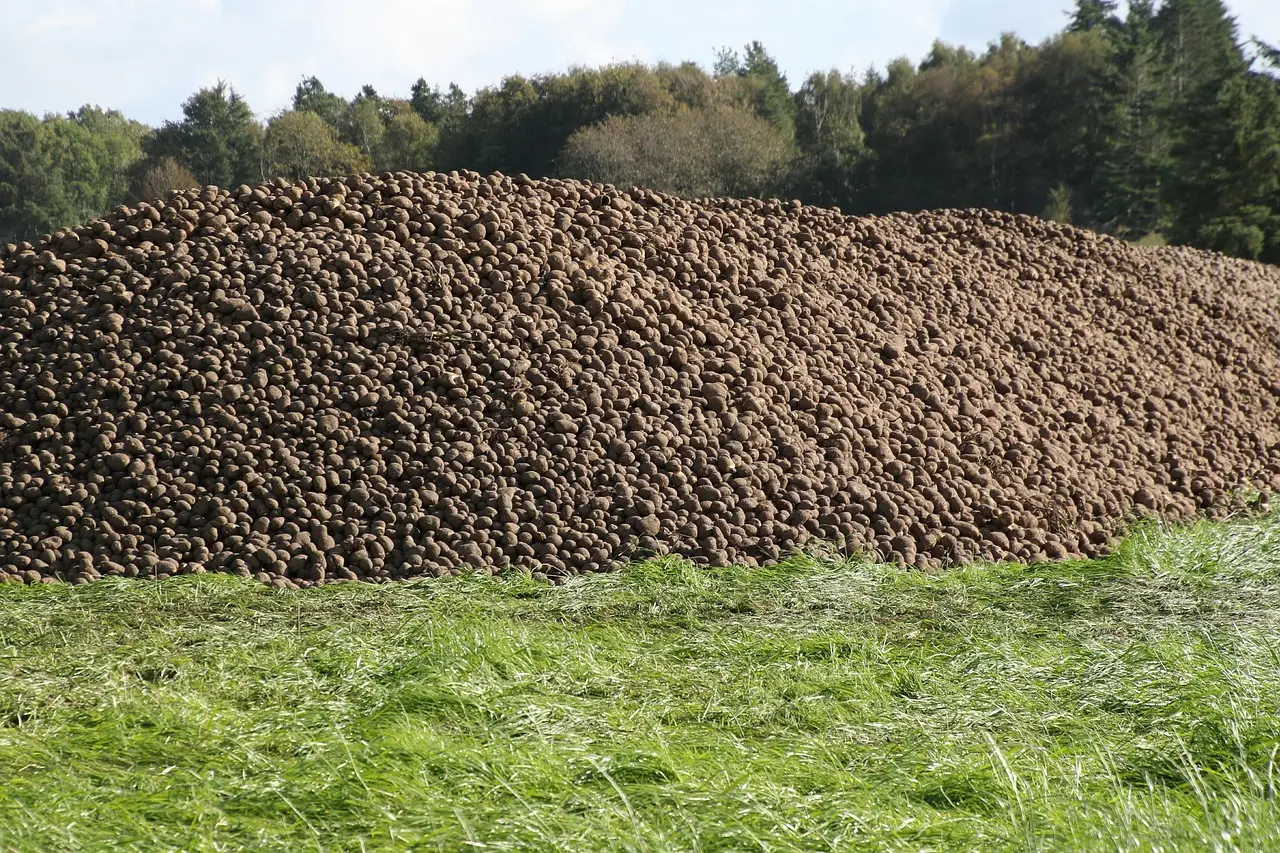
A 76-year-old Japanese ban on imported American fresh potatoes is now formally in play. Under pressure from US President Donald Trump, Tokyo has agreed to begin talks on lifting the restriction, which has stood since 1950 and bars fresh US potatoes from restaurants and supermarket shelves. Japan's new agriculture minister, Arata Takebe, has signalled caution, saying any decision could take considerable time.
The partial record matters here. Japan relaxed the ban once already, in 2006, but only for potato crisp production. Those imports must travel in sealed containers and undergo high-temperature cooking before sale, a quarantine protocol designed to stop pests and diseases crossing the Pacific. A full lifting would place fresh American potatoes before Japanese consumers for the first time in three quarters of a century.
What is at stake for each side?
Supporters of the change put a number on it: American farmers would gain an additional $150 million a year in export earnings, while Japanese consumers would see lower prices. Congressional lawmakers pressed Trump to keep the issue before Prime Minister Sanae Takaichi, writing in a letter: "US potato growers produce the best potatoes in the world." They called Japan "a massive market with significant export opportunities."
The claim deserves scrutiny. Japan consumed 3.5 million tons of potatoes in 2024, according to the agriculture ministry, and 1.2 million tons of that total came from imports already permitted for crisps. The domestic industry is not small, and it is concentrated: roughly 80 percent of Japan's potatoes grow in Hokkaido, where farmers say their livelihoods, and their product's reputation, hang on the outcome.
Why do farmers oppose the lifting?
The objection is phytosanitary, not merely commercial. Japan's government has identified 21 pests and diseases that could invade through imported fresh potatoes. Two cause the greatest concern: the potato cyst nematode and the pale potato cyst nematode. Neither threatens human health. Both damage roots, stunt growth, and persist in soil for more than 15 years.
"We have repeatedly and unequivocally stated our opposition to imports," said Toshihide Numasawa, an employee of the Japan Agriculture group in Hokkaido. He cited the "risk of pests and diseases entering the country and damage to Hokkaido's production areas." Farmers note they already battle homegrown pest outbreaks, global heating, and rural depopulation.
Potato farmer Naohiro Makino put the case bluntly to the Asahi Shimbun: "Once pests get in, you can't grow potatoes for more than a decade." He added: "For the sake of the farmland our ancestors protected, I am firmly opposed." The Hokkaido Agricultural Corporations Association framed the stakes nationally: "Protecting Hokkaido's agriculture is not just about protecting Hokkaido. It also means protecting the production base that will support Japan's food supply for the future."
What has the minister actually promised?
Very little, so far. Takebe, whose own constituency sits in prime potato-growing country in Hokkaido, told Jiji Press the plan "should progress after thorough scientific and technical discussion". He acknowledged American impatience while drawing a line: "I know the [US] side has strong expectations, but the ban on imports will not be lifted without sufficient discussions or an agreement acceptable to both sides."
That language commits Tokyo to talks, not to outcomes. Trump raised the ban during his first term and has now secured negotiations as he faces accusations that his policies have been "disastrous" for rural America. Whether scientific review satisfies 21 identified pest risks remains the decisive, and unresolved, question.
Why does the potato carry such weight in Japan?
Context explains the resistance. Japan imports more than 60 percent of its food, and potatoes, like rice, rank among the few fiercely protected homegrown staples. Dutch traders introduced the tuber in 1598 as a collector's curiosity for plant enthusiasts. By the mid-1800s it had become a nutritious rice substitute suited to Hokkaido's cooler climate, where rice would not thrive.
Today Japan grows more than 90 varieties. The best-known Hokkaido potato, the starch-rich Danshaku, or Irish Cobbler, anchors dishes from butter-slathered jaga bata to the near-national poteto sarada. "We believe consumers have come to recognise which are best suited to particular dishes," Numasawa said.
The bottom line: talks have opened, a 76-year-old barrier is under review, and nothing will change until Japan's pest-risk assessment clears — which the minister himself warns could take considerable time.
via theguardian.com (Source)
More from Priya Raman
Show full bio
Staff writer covering companies, deals and strategy in International law and legal practice at Global Law Wire.
334 articles