Law report No. GLW-9662 · filed October 2, 2026
Trade LawReported case
Indonesia Urges EU to Drop Biodiesel Import Curbs After WTO Ruling
Jakarta demands Brussels lift biodiesel import restrictions following a WTO ruling, setting the stage over EU compliance, implementation and possible retaliation.
By Grace Kim3 min read690 words
Holding
- Indonesia has publicly urged the EU to remove its biodiesel import curbs following a WTO ruling.
- The dispute concerns EU measures affecting palm oil-based biodiesel access to the European market.
- The EU must now choose between compliance, contesting implementation, or negotiating a settlement with Jakarta.
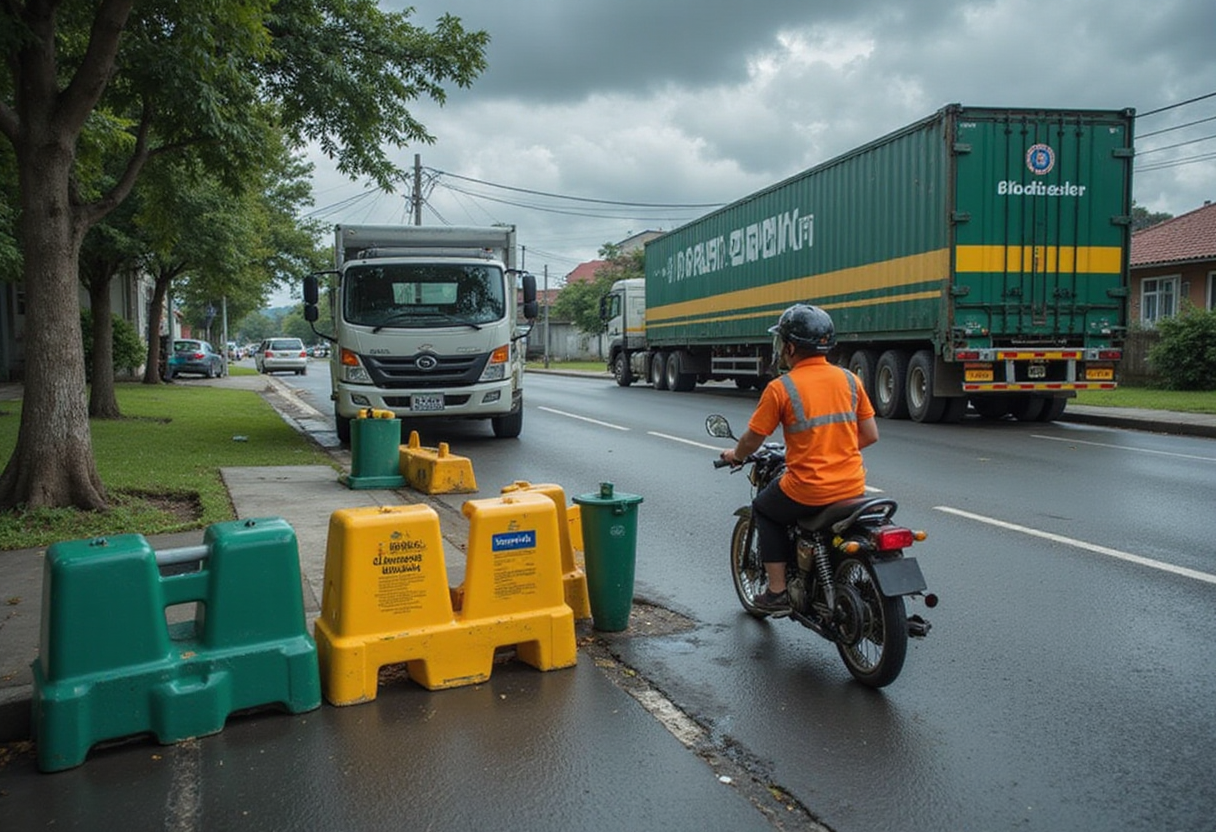
Indonesia has publicly called on the European Union to remove its restrictions on biodiesel imports, invoking a World Trade Organization ruling that Jakarta says supports its position. The demand, reported by CNBC, puts fresh pressure on Brussels at a moment when the two trade partners remain at odds over the treatment of palm oil-based fuels in the EU market.
The dispute centres on EU measures that Indonesian producers have long argued discriminate against biodiesel derived from palm oil. Indonesia is the world's largest producer of palm oil, and its biodiesel industry depends heavily on export markets in Europe. Jakarta has now tied its demand for removal of the import curbs directly to the outcome of WTO proceedings, signalling that it regards the ruling as a legal basis for the measures to be withdrawn rather than merely adjusted.
For Indonesian trade officials, the WTO ruling is the operative instrument. Their position is straightforward: the EU should bring its import regime into conformity with its WTO obligations and lift the restrictions that Indonesian exporters say have curtailed their access to European markets. The call for removal, rather than revision, signals that Jakarta views partial remedies as insufficient.
The stakes are substantial for both sides. Indonesia's biodiesel industry has faced a shrinking share of the EU market as European measures favouring other feedstocks and domestic production have taken effect. Indonesian producers and trade associations have repeatedly argued that the restrictions function as disguised barriers to trade. The EU, for its part, has defended its measures on environmental and policy grounds, pointing to sustainability criteria that apply to biofuel feedstocks across the board.
The dispute traces back years of friction over palm oil. The EU has adopted measures that Indonesian authorities contend single out palm-based fuels for disadvantageous treatment compared with biofuels produced from other crops. Jakarta challenged those measures at the WTO, and the ruling now at the centre of the dispute represents the culmination of that litigation path.
What the demand means in practice
For practitioners, Indonesia's public demand frames the next procedural stage. A WTO ruling in a complainant's favour does not by itself force the respondent to lift the contested measures immediately. The prevailing party's practical options include pressing for implementation within a reasonable period of time, and, if implementation is inadequate or absent, requesting authorisation from the WTO's Dispute Settlement Body to suspend concessions against the respondent. That means trade counsel on both sides will now be watching whether Brussels moves to comply, contests the scope of the ruling, or negotiates a settlement with Jakarta.
Indonesian exporters and their advisers, meanwhile, will assess what form compliance would take. Removal of the import curbs, as Jakarta demands, would reopen access to the EU biodiesel market on different terms than exporters have faced under the current regime. Any negotiated alternative — revised thresholds, adjusted sustainability criteria, or phased implementation — would carry its own compliance calculus for producers seeking to ship into Europe.
EU-side practitioners advising fuel importers and biofuel blenders face the mirror-image question: whether existing supply chains and sourcing decisions remain viable if the measures are withdrawn or restructured. Companies that shifted away from Indonesian palm-based biodiesel in response to the current rules may need to re-evaluate contracts and sourcing if market access conditions change.
The diplomatic dimension also matters. Indonesia and the EU are significant trade partners across multiple sectors, and trade tensions over palm oil have coloured broader negotiations in the past. A refusal by Brussels to act on the ruling could invite Indonesian retaliation through suspended concessions, escalating the dispute beyond biodiesel into other traded goods. A negotiated outcome could defuse that risk.
For now, the ball is in Brussels. Indonesia has stated its position in public and anchored it in the WTO ruling. The EU must decide whether to remove the curbs as demanded, contest or narrow its implementation obligations, or seek a settlement. How it responds will shape not only the biodiesel trade between the two economies but also the credibility of WTO dispute settlement as a mechanism for resolving sector-specific trade conflicts.
via GN Trade Law (Source)
More from Grace Kim
Show full bio
Correspondent covering consumer brands and retail at Global Law Wire.
206 articles
Also before the court
- Indonesia Presses EU to Drop Biodiesel Import Curbs After WTO Win
- Indonesia Urges EU to Comply with WTO Ruling on Palm Oil
- Indonesia Regrets EU Appeal of WTO Biodiesel Ruling
- WTO Deadline Expires: Indonesia Weighs Next Move on EU Palm Oil
- Indonesia Asks WTO for Green Light to Suspend EU Trade Concessions