Law report No. GLW-4632 · filed November 14, 2026
Trade LawReported case
UK-EU SPS deal will 'dissolve' £60m a year in plant trade costs
The SPS deal due at the 20 November UK-EU summit will strip out most border checks and £60m a year in horticulture costs, Eagle says — but implementation waits until 2028.
By Amara Osei4 min read804 words
Holding
- The UK-EU SPS deal is due to be signed at the summit on 20 November.
- The Horticultural Trades Association calculates the deal removes £60m a year in horticulture trading costs.
- Implementation is not expected until the first quarter of 2028, later than the mid-2027 target.
- UK food and drink exports to the EU have fallen by more than a third since Brexit, per NFU analysis.
- Provender Nurseries spent at least £500,000 on a post-Brexit control post that the deal will make obsolete.
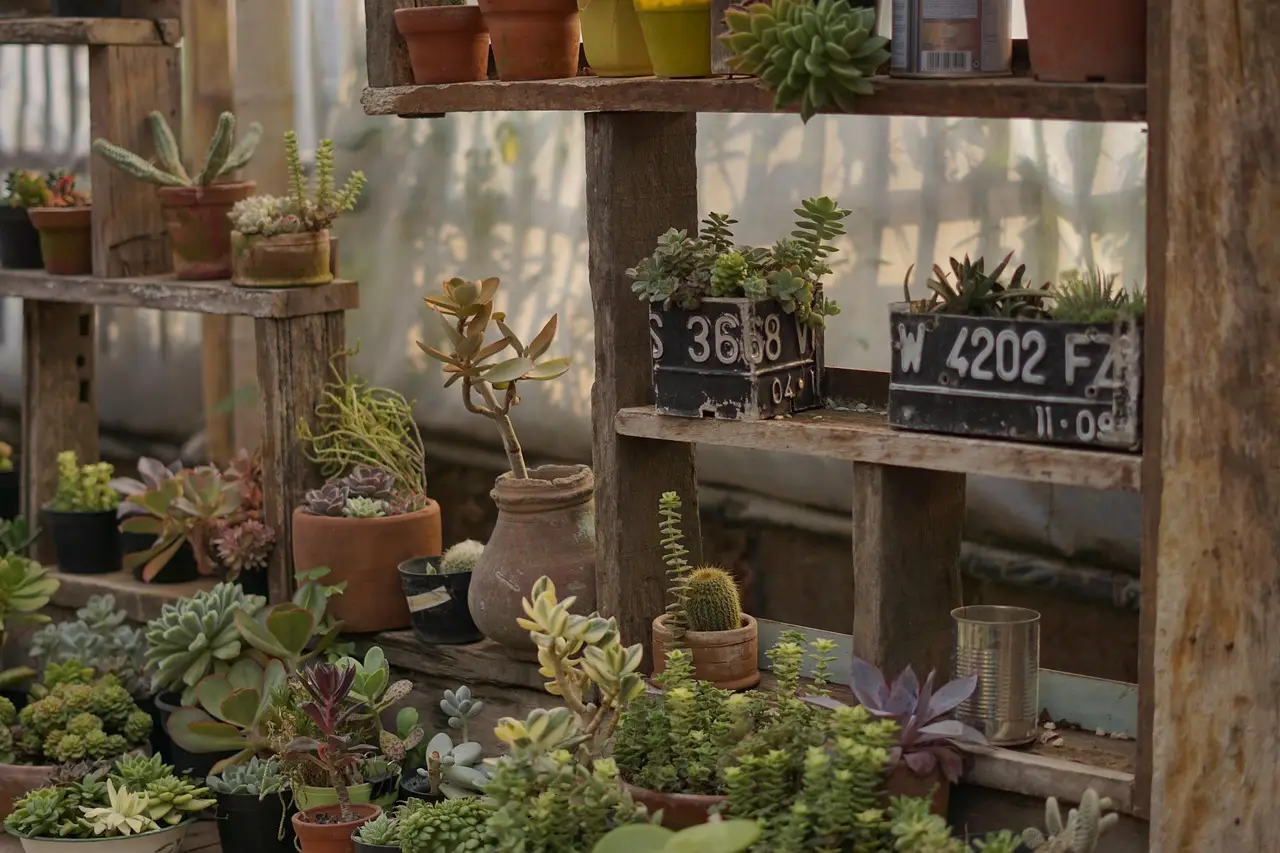
A sanitary and phytosanitary agreement between the UK and the EU, due to be signed at a summit on 20 November, will remove the vast majority of physical border checks and most accompanying certificates on plants, food and animal products. The Horticultural Trades Association calculates the changes will eliminate £60m in annual trading costs for the horticulture sector alone. That is £60m every year, roughly the price of a mid-sized farm per annum, evaporating from the sector's cost base.
Environment secretary Angela Eagle, speaking during a visit to a plant nursery in Kent, told the Guardian she hopes the paperwork burden on importers will simply vanish. "If we get the ink dry on 20 November, which I very much hope we will … all of that uncertainty, the extra cost, the paperwork and the potential problems if things get stuck at borders would all disappear," Eagle said. "The cost, that £60m, can just dissolve and people's potential to both export back into the EU and get their imports in … gets easier and more predictable."
What does the deal cover?
The SPS deal was largely agreed between the two sides in May and permits the removal of most physical checks plus the bulk of the paperwork that accompanied post-Brexit trade in items from sausages and cheese to trees and leather goods. The savings identified by the HTA cover:
- plant health inspection fees
- phytosanitary certificates
- document and ID checks
- port fees and agents' fees
- additional labour costs
- extra haulage costs
Notably absent from the £60m figure: late delivery penalties and sales lost through port delays or damage to goods. The true saving may therefore prove larger.
Eagle said the savings should put "downward pressure on food prices", though she declined to confirm the deal would actually lower food costs in the UK. A carefully hedged promise.
Why are exporters bruised?
The context is bleak for British producers. Exports of UK food and drink to the EU have collapsed by more than a third since Brexit, according to National Farmers' Union analysis, with egg, chicken and potato producers badly affected. A Brexit certification disagreement halted exports of British seed potatoes, particularly from Scotland, to the EU altogether.
The industry's welcome is real but conditional. Provender Nurseries, one of the UK's largest wholesale nurseries, sells thousands of plants, trees and shrubs to local authorities, parks and landscapers from its eight-hectare (20-acre) base at Swanley in Kent. It has already spent at least £500,000 building a post-Brexit control post — a "sealed building" with four electric forklifts — to allow inspections of lorry loads of imported trees and shrubs. The facility becomes obsolete once the deal is implemented.
"It cost a lot for a barn, but it gave us security as a business," said managing director Richard McKenna. He hopes the deal will persuade European suppliers previously deterred by post-Brexit paperwork to restart exports to the UK. "We need to see the small print on the agreement. It could have been sooner, but we are pleased that it is happening."
When does it take effect?
Not quickly. Implementation is not expected until the first quarter of 2028, leaving businesses under current border arrangements for more than a year. HTA chief executive Fran Barnes has called for "some easements as a transition arrangement that are pragmatic", such as fewer or no checks on lower-risk imports.
Eagle conceded the date slips past the mid-2027 target set when Keir Starmer announced his EU "reset" deal in May 2025. Starmer's replacement by Andy Burnham prompted a "pause" in negotiations with Brussels, she said, and pushed the summit back from July. The original timetable was "always a very, very ambitious timescale"; the extra time, she argued, allowed "more coherent" handling of "knottier, thornier issues on things like pesticides".
One such thorn: the UK still uses some pesticides and fungicides banned in the EU. Industry figures fear British potatoes grown in 2027 with banned treatments could be wasted if frozen chips made from them go on sale after implementation. Eagle's response: "We are very well aware of these kinds of issues and the EU is also very aware it doesn't want to be seen to be wasting food."
Adam Taylor, a director of Taylors Bulbs in Lincolnshire, which supplies tulip, daffodil and other bulbs to garden centres across the UK and Ireland, set up an Irish business at "laborious and expensive" cost to keep supplying the Republic after Brexit. "We have been waiting for this moment, but it all depends on the timing of the deal," he said. "When things go back closer to how they were before Brexit, I hope our Irish customer base will reflect on the loyalty given to them."
The deal dissolves costs; it does not refund them.
via theguardian.com (Source)
More from Amara Osei
Show full bio
Senior reporter covering people, launches and day-to-day practice in International law and legal practice at Global Law Wire.
327 articles
Also before the court
- EU Moves to Raise Costs of Cheap Imports: E-Commerce Faces New Rules
- EU Court Ruling Arms Customs Against E-Bike Assembly Schemes
- UK Weighs £5,000 Cost Cap Removal for Green Planning Challenges
- EU Court Advisor Backs Commission in Chinese Solar Duty Fight
- Indonesia Urges EU to Drop Biodiesel Import Curbs After WTO Ruling