Law report No. GLW-1216 · filed November 19, 2026
Courts & TribunalsReported case
Trump Administration Returns to Supreme Court Third Time Over Venezuelan TPS
DHS asked the Supreme Court to block a lower court order that could restore TPS for hundreds of thousands of Venezuelans and free 1,800 people from detention by Friday.
By Priya Raman4 min read741 words
Holding
- DHS filed its third emergency application at the Supreme Court over Venezuelan TPS on Wednesday.
- Without a stay by Friday, the government says it must release 1,800 migrants and halt over 300 removal orders.
- Noem's February 2025 revocation ended TPS for almost 350,000 Venezuelans.
- In June, the Court barred judicial review of TPS designation decisions in the Syrian-Haitian case.
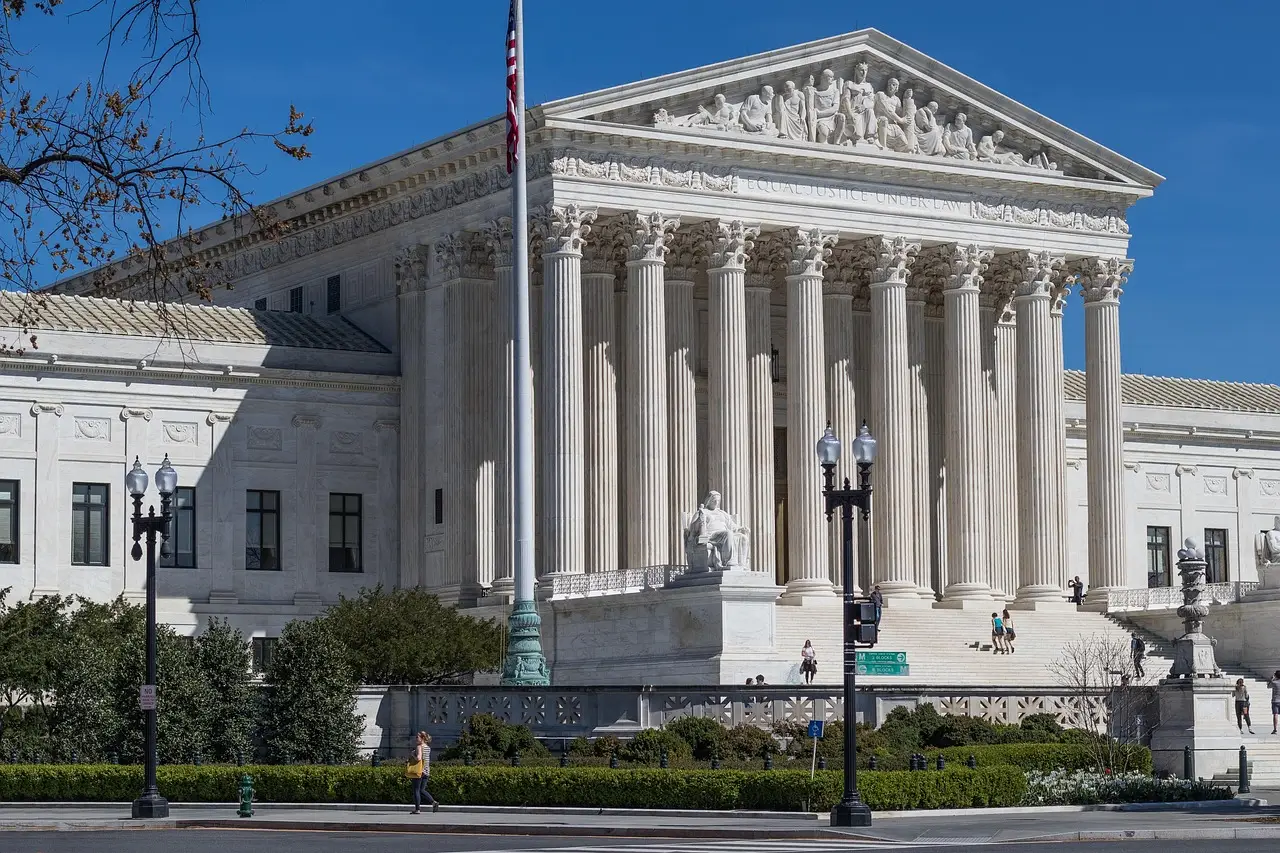
The Trump administration asked the Supreme Court on Wednesday to intervene for a third time in the fight over protected status for Venezuelan migrants, warning that a lower court order could force the government to release 1,800 people from detention by Friday.
The Department of Homeland Security filed an emergency application asking the justices to block a looming decision that would resurrect temporary protected status — TPS — for hundreds of thousands of Venezuelan migrants after a 19-month hiatus. The application targets the Ninth Circuit, which the administration says has failed to issue an updated stay preventing the district court's ruling from going back into effect.
What does the filing ask for?
The government wants the Supreme Court to freeze the district court's order before Friday. Without a stay, Solicitor General John Sauer wrote, the government faces immediate, practical harm: 1,800 Venezuelan migrants released from detention, more than 300 removal orders blocked from execution, and work authorizations issued to thousands.
Sauer's application did not mince words. "Giving effect to the district court's order for even a moment at this late date will gravely harm the government, compelling it to release removable aliens into the country with no guarantee of ever successfully locating them and returning them to detention," he wrote. "It will also cause mass confusion by requiring work authorizations for thousands of aliens to flip on and off as litigation progresses."
The White House called the Ninth Circuit's refusal to grant a stay inexplicable, and Sauer pressed the equities argument hard. "This court already balanced these very equities twice before and found that they tilted in the government's favor; that should be dispositive this third time," he wrote. The Supreme Court did not immediately respond to the application.
How did the case get here?
The dispute began with a reversal of policy. Before leaving office, former President Joe Biden issued an 18-month TPS extension for Venezuelans. In February 2025, former DHS Secretary Kristi Noem revoked that extension, ending status for almost 350,000 migrants — the largest group of TPS holders in the nation.
Noem then complicated the government's legal position. During a Fox News interview, she called Venezuelan immigrants "dirtbags" and suggested they were members of criminal gangs. Venezuelan migrants and the National TPS Alliance, an immigrant advocacy group, sued, claiming Noem's actions were unlawful and motivated by racial animus.
The case has now reached the Supreme Court's emergency docket three times. President Donald Trump first asked the justices to intervene in May 2025. The court agreed, blocking a lower court order that had upheld Venezuelan migrants' TPS status. A second emergency appeal followed after a lower court again blocked the revocation. In October 2025, the court reversed once more, over dissents from the three Democratic appointees.
What changed with the Syrian and Haitian ruling?
Last month, the justices sent the Venezuelan case back to the Ninth Circuit for reevaluation under their June decision on TPS for Syrian and Haitian migrants. In that ruling, the conservative majority held that courts are blocked from reviewing the administration's decisions on TPS designations.
That precedent should have ended the matter, the administration argues. Instead, the appeals court's response — described by the government as subpar — threatened to reinstate a decision allowing Venezuelan migrants to regain access to the program within days. Hence the third emergency application.
What is TPS, and what are the stakes?
Temporary Protected Status is a designation applied to nationals of countries where violence or economic duress makes deportation difficult or unsafe. Venezuelans make up the largest number of such status holders in the United States — roughly 350,000 people before the February 2025 revocation.
For practitioners, the immediate question is procedural: whether the justices will grant a stay by Friday or allow the district court's order to take effect, even briefly. Sauer's core argument is that even momentary reinstatement creates harms the government cannot undo — releases from detention and work authorizations that would flip on and off as litigation continues. The migrants' counterargument, that the revocation itself was unlawful and racially motivated, remains unresolved on the merits. Whether the June precedent on judicial review of TPS designations moots that question entirely is precisely what the Ninth Circuit has yet to say clearly.
The takeaway: a third emergency ruling in one case is unusual, and the Friday deadline leaves the justices little time to weigh in.
via Courthouse News (Source)
More from Priya Raman
Show full bio
Staff writer covering companies, deals and strategy in International law and legal practice at Global Law Wire.
346 articles
Also before the court
- Trump administration asks Supreme Court to block Venezuelan TPS order
- Supreme Court to Review Trump Asylum Suspension at Border
- Supreme Court to Rule on Trump's Southern Border Asylum Ban
- Supreme Court to Review Trump Asylum Ban at Southern Border
- Supreme Court to Review Trump's Asylum Suspension at Border