Law report No. GLW-7037 · filed November 19, 2026
Courts & TribunalsReported case
Trump administration asks Supreme Court to block Venezuelan TPS order
The Trump administration asked the Supreme Court on Nov. 18 to block a San Francisco order that could restore protected status for hundreds of thousands of Venezuelans before a Nov. 20 stay expires.
By Amara Osei4 min read730 words
Holding
- Nov. 18, 2026: The Trump administration asked the Supreme Court to block the Sept. 2025 ruling in Mullin v. National TPS Alliance.
- Sept. 2025: U.S. District Judge Edward Chen set aside Noem’s decisions to end Venezuela’s TPS designation and extension.
- June 2026: In Mullin v. Doe, the Supreme Court said courts generally cannot review a DHS secretary’s TPS designation or termination decision.
- Nov. 20: The Ninth Circuit administrative stay expires; without intervention, TPS returns for hundreds of thousands after a 19-month hiatus.
- About 1,800 Venezuelan detainees could face immediate release if Chen’s order takes effect.
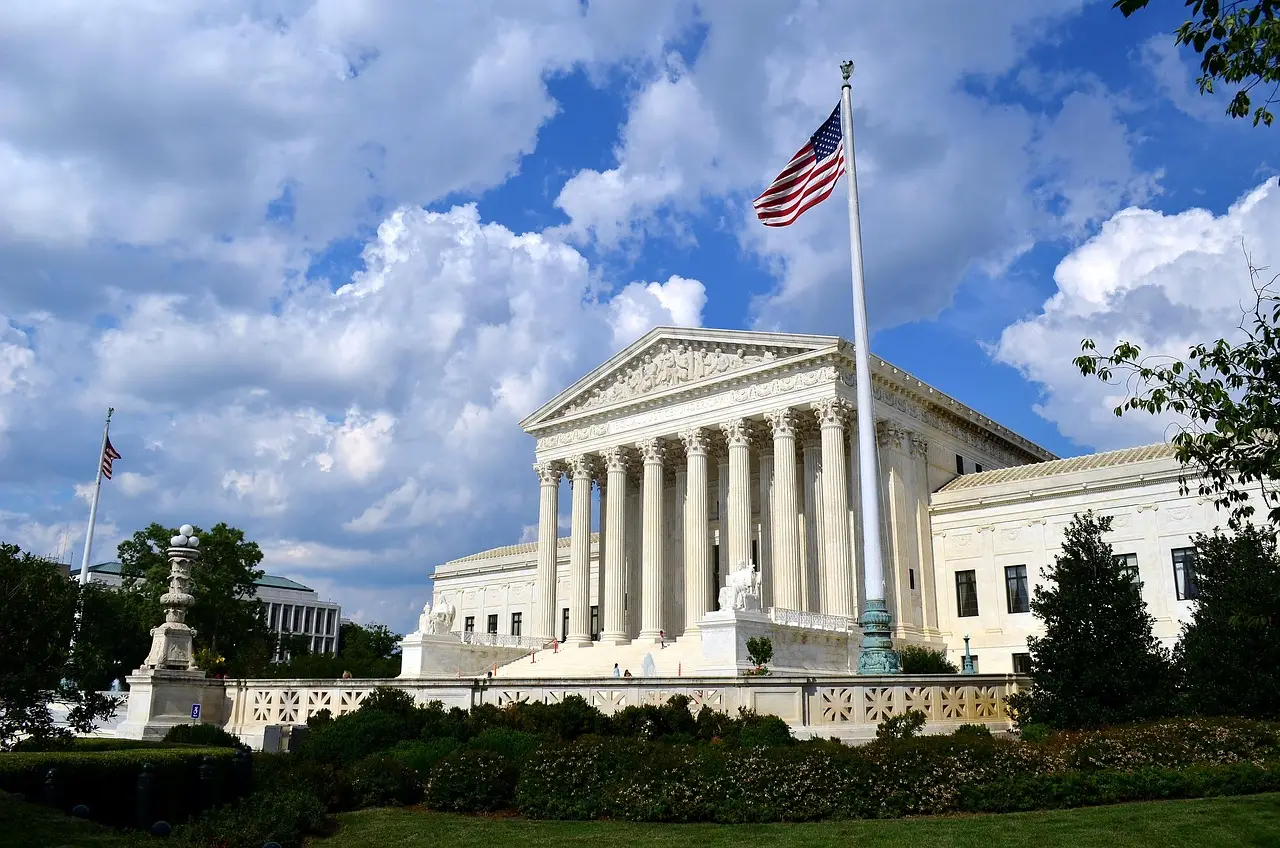
The Trump administration asked the U.S. Supreme Court on Nov. 18, 2026, to block a ruling by a federal judge in San Francisco that could restore Temporary Protected Status for hundreds of thousands of Venezuelans and trigger the immediate release of about 1,800 Venezuelan detainees.
The application in Mullin v. National TPS Alliance seeks interim relief. It does not ask the justices to issue a final judgment on DHS Secretary Kristi Noem’s termination decisions.
What is the Trump administration asking the Supreme Court to do?
The administration wants the justices to stop U.S. District Judge Edward Chen’s Sept. 2025 order from taking effect. Chen had set aside DHS Secretary Kristi Noem’s decisions to end Venezuela’s TPS designation and its later extension. U.S. Solicitor General D. John Sauer warned that, without action, the order would “spring into effect, inflicting severe and immediate harm.”
Chen’s ruling preserved TPS for the Venezuelan beneficiaries. The application seeks to keep that protection from reviving while the litigation continues.
Takeaway: The justices have been asked for interim relief, not a final ruling.
Why did Venezuela receive TPS, and why was it later terminated?
Temporary Protected Status allows foreign nationals to remain in the United States and work here when they cannot safely return home. Then-DHS Secretary Alejandro Mayorkas designated Venezuela for TPS in 2021 and again in 2023. In 2025, he announced that the program would run through Oct. 2026. He cited a “severe humanitarian emergency” resulting from Venezuela’s “severe political and economic crisis” as the reason for the designation.
Mayorkas’s successor, Kristi Noem, later announced decisions to end Venezuela’s designation and its subsequent extension. Those decisions prompted the federal litigation now before the Supreme Court.
Takeaway: Mayorkas granted TPS, and Noem later decided to end it.
How did the Venezuelan TPS case reach the Supreme Court?
The case has already visited the Supreme Court once. Its procedural path ran through several stages:
-
A group representing TPS holders sued in federal court in San Francisco. Chen set aside Noem’s decisions, and the U.S. Court of Appeals for the 9th Circuit upheld his ruling.
-
In 2025, the Supreme Court paused Chen’s order as the case proceeded, effectively clearing the way for the Trump administration to deport Venezuelan TPS beneficiaries.
-
In June 2026, the Supreme Court decided Mullin v. Doe, a pair of cases involving Haitian and Syrian TPS beneficiaries. It ruled that courts generally cannot review the DHS secretary’s decision to designate or terminate a country’s TPS status.
-
Relying on Doe, the administration asked the Supreme Court to remand the Venezuelan case to the 9th Circuit. The Court did so in Oct. 2026.
-
On remand, after the Supreme Court’s initial stay of Chen’s order expired and Sauer wrote to the justices, the 9th Circuit entered an administrative stay due to expire on Nov. 20.
The legal geometry is unusual but not obscure: Doe limits review of the secretary’s decision, while Sauer says the consequences of that limit are about to arrive. The present application asks whether to pause Chen’s ruling while the case continues.
Takeaway: The Supreme Court has ruled on judicial review, but it has not resolved the Venezuelan case.
What happens if no court intervenes by Nov. 20?
The deadline is blunt. Absent judicial intervention, Sauer wrote, DHS would have to restore TPS status for hundreds of thousands of Venezuelans after a 19-month hiatus. His office had been informed that the government could be forced to release into the country immediately about 1,800 Venezuelans from detention.
Sauer said the result would follow even though the Supreme Court had conclusively held in Doe that the TPS statute bars courts from reviewing the secretary’s decision to designate or terminate a country’s TPS status.
Takeaway: Without a new court order, Venezuelan TPS protections return and some detainees may be released.
What should immigration practitioners watch?
For immigration practitioners, the immediate deadline is Nov. 20. Without intervention, DHS must restore TPS and address the detention consequences Sauer identified; a Supreme Court ruling would set the interim course. Counsel should separate Doe’s limit on judicial review from any final merits ruling on Noem’s decisions and monitor both dockets.
Takeaway: The Supreme Court docket and the Nov. 20 expiry now deserve close attention.
via uscis.gov (Original)
More from Amara Osei
Show full bio
Senior reporter covering people, launches and day-to-day practice in International law and legal practice at Global Law Wire.
351 articles
Also before the court
- Trump Administration Returns to Supreme Court Third Time Over Venezuelan TPS
- Judge Denies Pseudonyms in Tren de Aragua Habeas Case
- Supreme Court Sets December Argument on Third-Country Deportations
- Supreme Court Again Clears Third-Country Deportations Pending December Arguments
- Trump Administration Revives Immigration Detention Fight at Supreme Court