Law report No. GLW-4050 · filed November 11, 2026
Courts & TribunalsReported case
Supreme Court Confronts Frozen Taliban Assets and Immunity Questions
Cert petitions in Havlish, Petersen, Rodriguez and Webuild test FSIA immunity, TRIA attachment power and in rem jurisdiction at the Court's November 13 conference.
By Sophie Lindqvist4 min read703 words
Holding
- Petitions target $3.5 billion in frozen Da Afghanistan Bank assets held at the New York Fed.
- Second Circuit reversed a $16.1 billion judgment against Argentina on March 27, 2026.
- Havlish and Owens petitions are listed for the Supreme Court's November 13 conference.
- Third Circuit allowed quasi in rem jurisdiction over a $140 million Chilean arbitral award without minimum contacts.
- Rodriguez petition questions Eleventh Circuit's application of Fuld v. PLO (2025) to Helms-Burton claims.
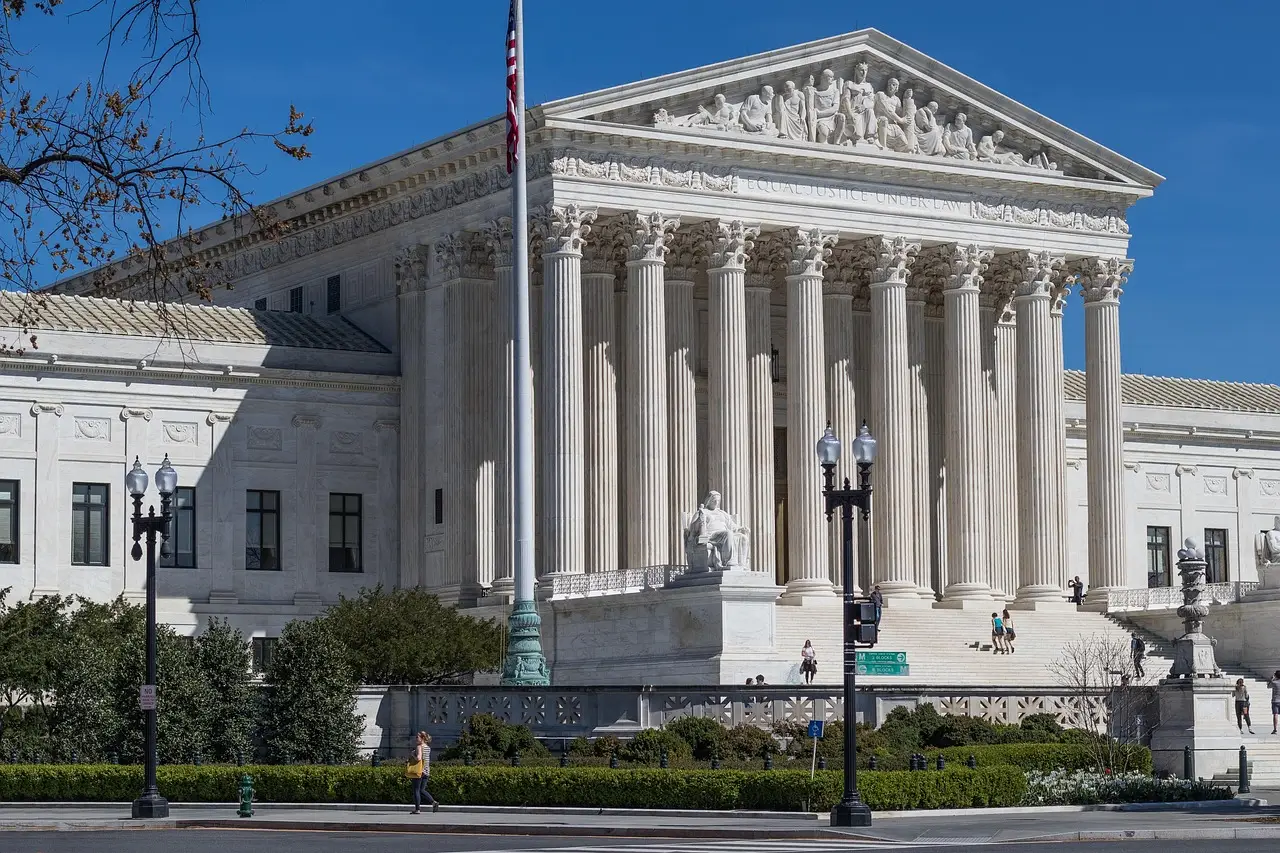
Four certiorari petitions now before the U.S. Supreme Court ask it to settle disputes over $3.5 billion in frozen Afghan central bank assets, a reversed $16.1 billion judgment against Argentina, and two contested theories of civil jurisdiction. The cases involve personal and in rem jurisdiction (jurisdiction over property itself), the Foreign Sovereign Immunities Act (FSIA), and the Terrorism Risk Insurance Act (TRIA). Three are set for the Court's November 13 conference.
Havlish v. Taliban: who gets $3.5 billion?
Judgment creditors holding default judgments against the Taliban want to enforce them against $3.5 billion in assets belonging to Da Afghanistan Bank (DAB), held at the Federal Reserve Bank of New York. Pre-judgment, the plaintiffs also sought an attachment order (a court order seizing property to secure a claim) over the same funds.
A divided Second Circuit panel held on August 26, 2025 that the funds are immune under the FSIA and that the TRIA does not apply. The court denied rehearing en banc (before the full court) in March 2026, over dissents from Judges Sullivan and Menashi.
Two petitions challenge different parts of that ruling:
- Havlish v. Taliban (No. 26-292) attacks the Second Circuit's holding that the TRIA reaches blocked assets only if their owner was an agency or instrumentality of a terrorist party at the time the assets were blocked.
- Owens v. Taliban (No. 26-294) asks whether courts should defer to the State Department when deciding whether an entity qualifies as a foreign state entitled to FSIA immunity.
Both are listed for the November 13 conference. The practical stakes are simple. If the petitions fail, the creditors recover nothing from the DAB funds, and future terrorism plaintiffs face a narrower path to blocked foreign assets.
Petersen v. Argentine Republic: a $16.1 billion reversal
Private investors in the Argentine oil company YPF sued in the Southern District of New York after Argentina nationalized part of YPF's ownership. The Second Circuit held in 2018 that the defendants were not immune under the FSIA because the commercial activity exception applied.
The plaintiffs then won a $16.1 billion breach-of-contract judgment in district court. On March 27, 2026, the Second Circuit reversed. It reasoned that expropriation, not breach of contract, was the proper framework for the merits under Argentine law.
The cert petition in Petersen (No. 26-442) asks whether a foreign state can dodge the FSIA by using its own law to channel expropriation claims into its own courts. Bill Dodge has filed an amicus brief supporting the petitioners. For practitioners, the case tests whether a merits ruling under foreign law can undo an FSIA exception that opened the courthouse door in the first place.
Rodriguez v. Imperial Brands: jurisdiction after Fuld
Two British companies sued under the Helms-Burton Act (the Cuba embargo law allowing suits over trafficked property) moved to dismiss for lack of personal jurisdiction in Florida federal court. The Eleventh Circuit reasoned that after Fuld v. Palestine Liberation Organization (2025), the Fifth Amendment does not require a "minimum contacts" analysis. It still found no jurisdiction, because suit would impose an unreasonable burden on the defendants.
The petition in Rodriguez (No. 26-416) asks whether the "burden-centered" Fourteenth Amendment reasonableness factors apply under the Fifth Amendment inquiry. Bill Dodge and Maggie Gardner have both criticized the Eleventh Circuit's decision.
Webuild: quasi in rem without minimum contacts
A creditor enforcing a $140 million Chilean arbitral award against the Italian contractor Astaldi tried to attach shares that Webuild, allegedly Astaldi's successor, holds in a Delaware subsidiary. The Third Circuit held that the district court could exercise quasi in rem jurisdiction (jurisdiction based on property in the forum) without any "minimum contacts" showing.
Webuild's cert petition argues the decision conflicts with Shaffer v. Heitner (1977) and precedent from other circuits. The company first sought an extension of time to file, arguing the circuit split directly.
For jurisdiction scholars and enforcement lawyers, these four petitions form a coherent set. Each one asks the Court to redraw the line between a foreign defendant's protections and a judgment creditor's remedies — a line that currently runs differently in different circuits.
via tlblog.org (Source)
More from Sophie Lindqvist
Show full bio
News editor covering people, launches and day-to-day practice in International law and legal practice at Global Law Wire.
333 articles
Also before the court
- US Courts Chip Away at ICC Sanctions as First Amendment Claims Mount
- ICC Chamber Closes Afghanistan Investigation Amid Pending Appeals
- Guatemala Enforcement: Court Awards v Arbitral Awards
- Nicaragua Takes Germany to ICJ Over Arms Exports to Israel
- Germany Asks ICJ to Dismiss Arms Export Case Brought by Nicaragua