Law report No. GLW-2691 · filed November 11, 2026
Courts & TribunalsReported case
Israeli District Court Denies Independent Medical Exam for Detained Gaza Doctor
An Israeli district court denied an independent medical exam for Dr Hussam Abu Safiya, held almost 700 days without charge as records show a 14kg weight loss.
By Sophie Lindqvist3 min read677 words
Holding
- Dr Hussam Abu Safiya has been held without charge since 27 December 2024 — nearly 700 days.
- His weight fell from 90kg to 76kg between January 2025 and May 2026.
- Israel's Supreme Court rejected a release petition last month; a district court denied an independent medical exam over the weekend.
- More than 375 medical workers are classified as 'unlawful combatants', a designation allowing detention without trial.
- PHRI records show more than 100 prisoners died in Israeli facilities between 2023 and 2025.
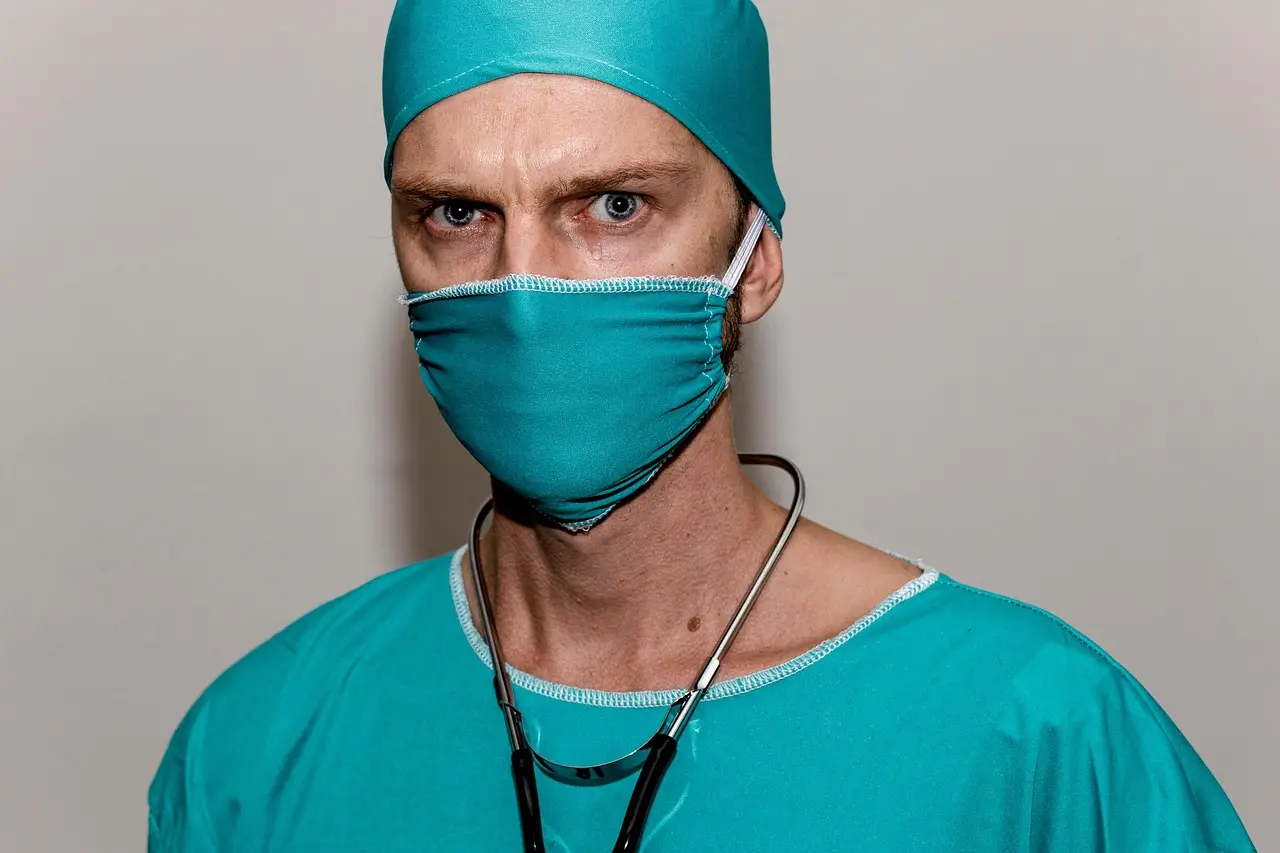
An Israeli district court has rejected a petition to grant an independent medical examination to Dr Hussam Abu Safiya, the Kamal Adwan hospital director held for nearly 700 days without charge. The ruling, issued over the weekend, came despite a specialist review of his medical file that found serious, unaddressed health risks.
The decision follows a separate setback. Last month, Israel's Supreme Court rejected a petition to release the doctor. Abu Safiya was detained at work on 27 December 2024 and later placed in solitary confinement at Rakefet, an underground prison facility.
What did the medical review find?
Prof Amit Tirosh, an independent Israeli specialist, reviewed a file obtained by Physicians for Human Rights Israel (PHRI). His findings were stark.
- Abu Safiya's weight fell from 90kg in January 2025 to 76kg by this May — a loss of 14kg.
- Medical records show bruising around one eye, dizziness and rib pain in July.
- Haemoglobin levels dropped between February and July 2026, after the weight loss, suggesting blood loss requiring urgent evaluation.
- Tirosh identified insufficient investigation of chest pain and delays in treating scabies.
"A 14kg weight loss is very alarming, even more so if the cause is unknown," Tirosh said in an interview with the Guardian. "More troubling, the medical team was neither surprised nor concerned: one prison physician wrote that his weight loss over a year is 'a common trend among security prisoners associated to their diet'."
On the haemoglobin drop, Tirosh was blunt. "Such blood loss can be life-threatening and requires urgent ER evaluation," he said. "Per the records, these urgent problems were not addressed and could endanger his life."
What did the court say?
The district court ruling also disclosed allegations by Israeli authorities. They claim Abu Safiya exaggerated his medical problems, set up organisations from prison, influenced other prisoners and maintained international contacts.
PHRI rejected the justification. The organisation said the allegations do not warrant denying an independent medical examination, a right protected by law.
"The bottom line is that a third party should see him and the full medical records," Tirosh said. "Refusing an independent examination is never justified."
He added a direct message to the prison authorities: "I feel deep shame to be counted with them as a doctor or health provider in Israel. As a system, they betray every medical and ethical principle I stand for."
Why is he detained without charge?
Israel classifies Abu Safiya as an "unlawful combatant" — a designation permitting prolonged detention without trial. More than 375 Palestinian medical workers share the classification. Human rights groups say the category functions like a legal bypass around ordinary habeas protections.
During a summer visit, a PHRI lawyer reported harsh conditions, untreated medical problems and severe food shortages. Witnesses said the doctor had become almost unrecognisable. His family has had no direct communication with him.
How did Israel respond?
A spokesperson for the Israeli prison service (IPS) said the allegations are "part of a broader campaign aimed at discrediting the state of Israel" and that the IPS "operates in accordance with the law and under constant judicial oversight".
Tirosh cited PHRI figures on wider conditions: "According to PHRI records, more than 100 prisoners died in Israeli facilities between 2023 and 2025 … a threat to his life unfortunately cannot be ruled out."
Israeli rights groups have described the prisons holding thousands of Palestinian civilians as torture camps.
What's the wider context?
Abu Safiya became the face of Gaza's health workers during the war. Before his arrest, he kept Kamal Adwan running through more than 80 days of siege and Israeli military operations around the surrounding refugee camp. At the time of his detention, he wore a white coat he had refused to wash since his son, Ibrahim, was killed by a drone strike at the hospital entrance that October.
Fourteen Palestinian doctors remain imprisoned without charge or trial, including hospital directors and specialists. "At a time when Gaza's healthcare system desperately needs them," said Naji Abbas of PHRI, their continued detention compounds the territory's medical crisis.
via theguardian.com (Source)
More from Sophie Lindqvist
Show full bio
News editor covering people, launches and day-to-day practice in International law and legal practice at Global Law Wire.
333 articles
Also before the court
- Rohingya Refugees Pin Justice Hopes on ICJ Genocide Ruling
- Human Rights Watch flags critical hearings in Myanmar genocide case
- Rohingya Genocide Case Could Shape Legal Path on Gaza
- Supreme Court Poised to Weigh Habeas Rights in Khalil and Suri Deportation Cases
- Calcutta High Court Denies Bail to Alleged ISIS Operative After Three Years in Custody