Law report · filed November 27, 2026
Regulation & EnforcementReported case
Sixth Ship Disabled by U.S. Fire in Iran Blockade Enforcement
CENTCOM says a U.S. aircraft disabled the Palau-flagged Pacific Archer in the Gulf of Oman on Thanksgiving Day, the sixth ship struck for defying the blockade, with 158 vessels turned back.
By Priya Raman3 min read653 words
Holding
- A U.S. aircraft disabled the Palau-flagged M/V Pacific Archer in the Gulf of Oman on Thanksgiving Day, the sixth ship struck for defying the blockade.
- CENTCOM says 158 commercial vessels have turned back when ordered; 10 Iranian oil tankers have been destroyed.
- President Trump said the U.S. has launched 150 missiles to intercept threats to commercial shipping in the Strait of Hormuz.
- The blockade of all Iranian ports has been in place since mid-July, nine months into the U.S.-Iran conflict.
- CENTCOM has not disclosed the Pacific Archer's cargo or the fate of the ship and its crew.
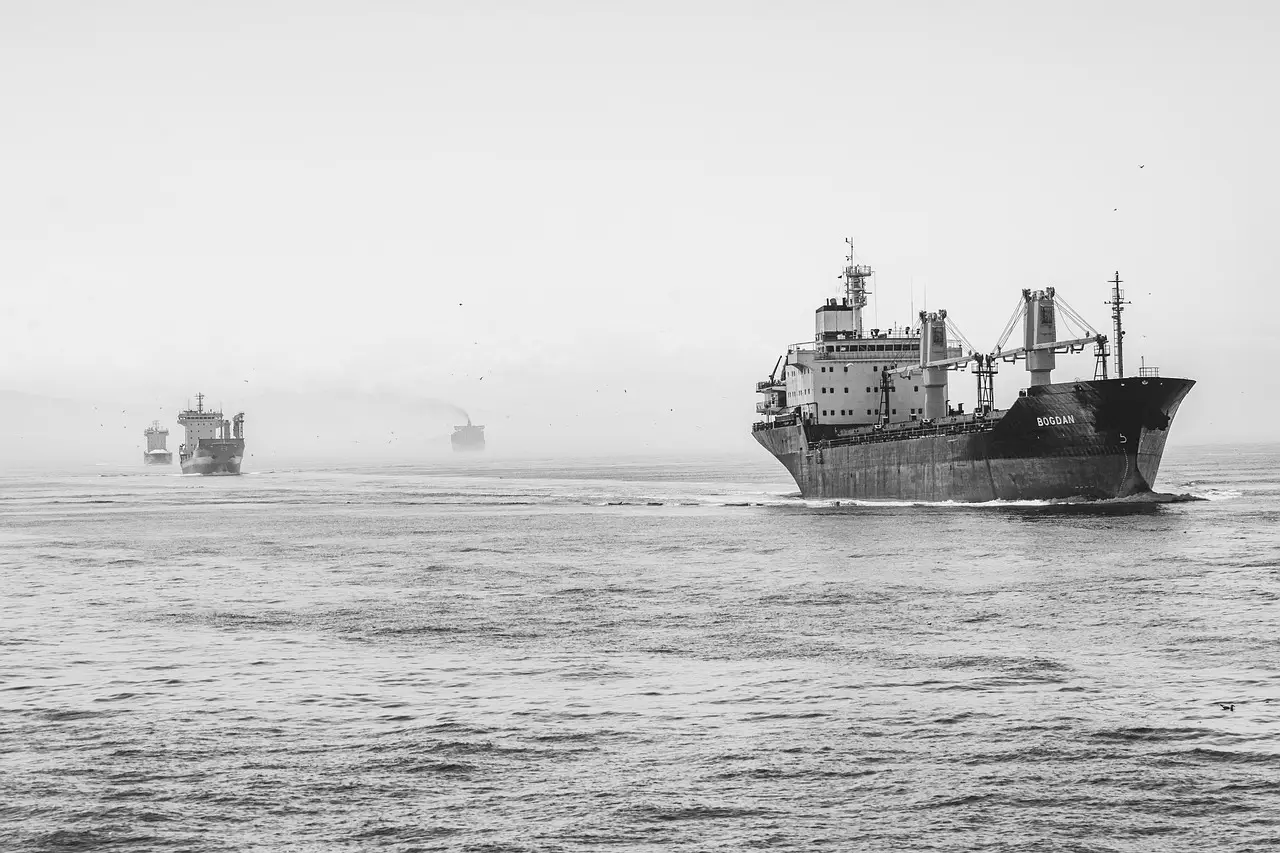
A U.S. military aircraft disabled the Palau-flagged bulk carrier M/V Pacific Archer in the Gulf of Oman on Thanksgiving Day, the sixth vessel immobilized since the American naval blockade of Iran began in mid-July, U.S. Central Command announced Friday. The strike knocked out the ship's propulsion. The civilian crew was unharmed.
The aircraft fired precision munitions into the stern of the carrier, which had departed the Iranian port of Bandar Abbas after its crew refused repeated warnings to turn back. CENTCOM urged all mariners near the Strait of Hormuz to heed its warnings. It did not say what cargo the Pacific Archer was carrying, or what will happen to the disabled ship and its crew.
That omission matters. Enforcement is escalating. Questions of liability, salvage and crew welfare now sit unanswered.
What has the blockade achieved so far?
The numbers tell a story of widening enforcement. Another 158 commercial vessels have turned around when ordered, according to CENTCOM. The pace has picked up sharply since early November.
When CENTCOM disabled the St. Kitts-flagged cargo ship M/V Huda on Nov. 7, the command counted 147 redirected vessels and five disabled ships. It also said it had destroyed 10 Iranian oil tankers tied to the Revolutionary Guards' shadow shipping network.
Between Nov. 7 and Thanksgiving, one more ship was disabled and 11 more turned back. The blockade, in place since mid-July, applies to all Iranian ports, Fox News reported. Its stated aim, according to The Washington Post, is to cut off Tehran's revenue and pressure Iran to concede after months of war.
Ship-tracking websites listed the Pacific Archer's destination as Singapore, the Associated Press reported. CENTCOM released an 8-second video, Stars and Stripes reported, showing a projectile hitting the back of the ship and setting off an explosion.
The video proves the strike. It does not answer what happens next.
How are strikes carried out?
The Pacific Archer operation followed an established pattern. In the Huda case, U.S. forces told the crew to clear the parts of the ship being targeted before an aircraft fired on its stern, CENTCOM said at the time. The Huda had also tried to leave the region after a stop at an Iranian port.
The stated care for crew safety is consistent. The silence on cargo, detention and salvage is also consistent.
What did the President say?
President Donald Trump, speaking to troops by phone from Mar-a-Lago on Thanksgiving, said the U.S. is giving Iran "every chance to make a deal and save a lot of lives" but that he was not sure Tehran would take it, Fox News reported.
Trump also issued a specific warning. If strikes resume, he said, U.S. forces would "absolutely hit Pickaxe Mountain," an underground complex near Iran's Natanz enrichment site. He put the chances that Iran accepts the U.S. proposal at low.
He added that the U.S. has launched 150 missiles to intercept threats aimed at commercial shipping in the Strait of Hormuz. That figure translates to roughly one interception missile every two days since the blockade began in mid-July.
How high are regional tensions?
The strike comes nine months into the U.S.-Iran conflict, with tensions in the Gulf remaining high, Stars and Stripes reported. Iran attacked Bahrain and Kuwait, both of which host U.S. troops, last week. The U.S. answered with airstrikes on an Iranian military site on Qeshm Island.
The aircraft carrier USS Theodore Roosevelt arrived in the region early last week to replace the USS George Washington. Diplomatic talks to end the war have made little progress.
For practitioners advising shipping clients, the practical position is stark. Six disabled vessels, 158 turned back, 10 tankers destroyed. Warnings are being enforced with live munitions. The Pacific Archer's fate, and that of its crew, remains unstated.
via conservativedailynews.com (Source)
More from Priya Raman
Show full bio
Staff writer covering companies, deals and strategy in International law and legal practice at Global Law Wire.
386 articles
Also before the court
- U.S. Forces Disable Cargo Ship Defying Iran Naval Blockade
- 27 Iranian Airlines Sanctioned: Third States Face IHL Clash
- Task Force Iron Gate: CENTCOM Widens Iran Pressure to Land Routes
- EU Naval Operation IRINI Boards Shadow Fleet Tankers Off Balearics
- Iranian hackers may have compromised 50 commercial vessels