Law report No. GLW-1793 · filed November 19, 2026
Regulation & EnforcementReported case
EU Naval Operation IRINI Boards Shadow Fleet Tankers Off Balearics
France detained the Russian shadow tanker Deyna off the Balearics on March 20, 2026. Operation IRINI has boarded three more vessels as the EU targets 80-plus monthly sanctions-busting transits.
By Sophie Lindqvist4 min read789 words
Holding
- French naval forces detained the shadow tanker Deyna south of the Balearics on March 20, 2026 and released it at Fos-sur-Mer in mid-April after a fine.
- Operation IRINI boarded the Toa Payoh and MV Sun in August 2026 and the Zimbabwe-flagged MV Midag on November 13, 2026.
- An estimated 80-plus shadow vessels operate monthly in the Mediterranean.
- The boardings rest on Article 110 of UNCLOS, permitting inspection of stateless or false-flagged ships.
- The shadow tanker Agate drifted laden for 29 days south of Tenerife, according to the IEEE 2026 report.
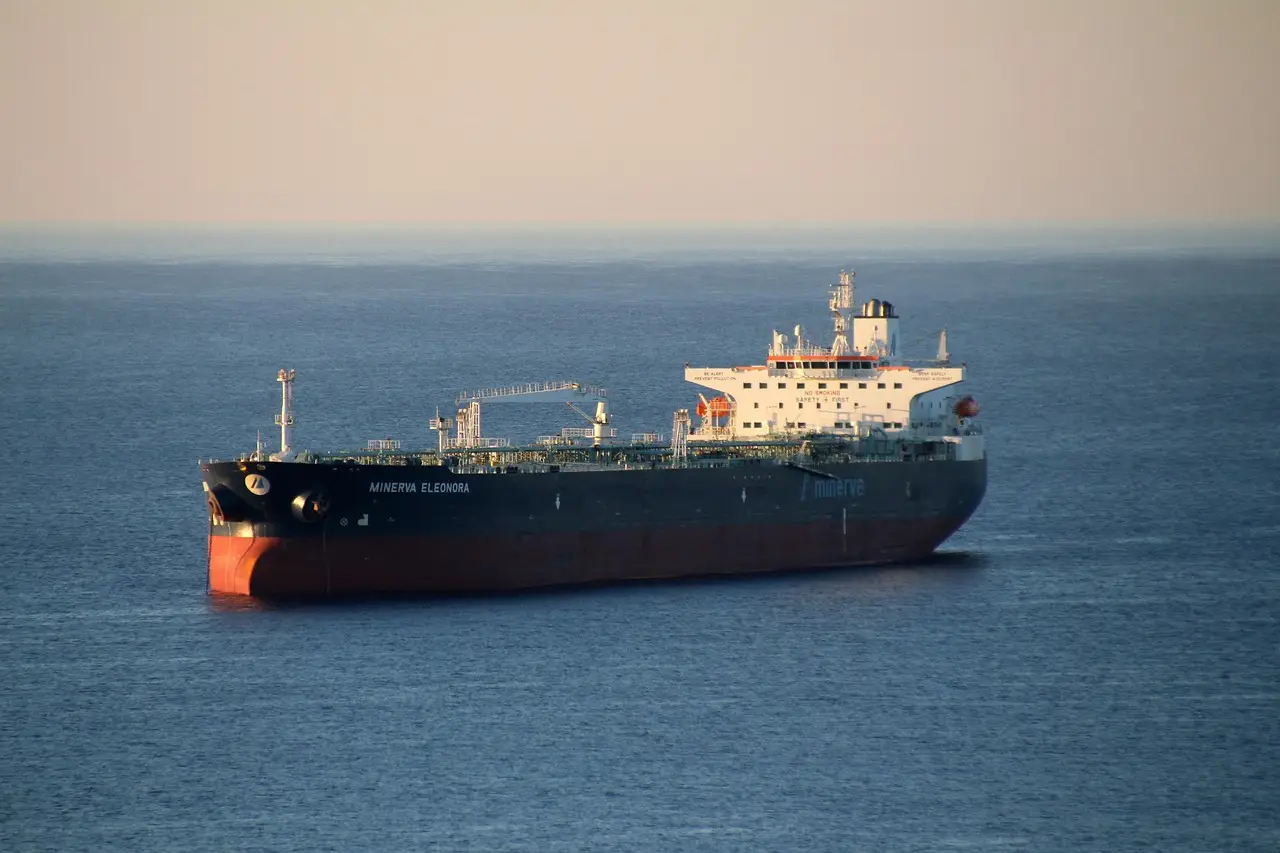
French naval forces detained the Russian shadow fleet tanker Deyna on March 20, 2026, in international waters south of the Balearic Islands. The operation marks the sharpest escalation yet in Europe's enforcement push against a sanctions-busting tanker fleet that now runs through Spanish waters every month.
Authorities towed the Deyna to the French port of Fos-sur-Mer and held the vessel until mid-April 2026. They released it only after accepting a fine. For practitioners, the case shows how EU member states now convert detentions into financial settlements and cargo seizures, rather than simple port expulsions.
Why do the Balearics matter so much?
The waters around the Balearic Islands sit directly on the shipping lanes between the Strait of Gibraltar and central Mediterranean ports. According to EPIS Thinktank, that geography has turned the region into a focal point for European naval enforcement and environmental concern. Shadow tankers — aging, underinsured oil carriers operating under obscure ownership and false flags — use the corridor to bypass Western sanctions on Russian oil.
An estimated 80-plus shadow vessels operate monthly in the Mediterranean. That figure comes from European assessments driving the current enforcement response.
What does the IRINI mandate allow?
Following a broadened mandate in 2026, the EU's naval mission Operation IRINI has actively stopped and boarded suspected shadow tankers across the Western and Central Mediterranean. The legal basis is Article 110 of the UN Convention on the Law of the Sea (UNCLOS), which permits inspecting stateless or falsely flagged ships on the high seas.
The boardings are no longer theoretical. Notable cases include:
- The Toa Payoh, boarded in August 2026
- The MV Sun, boarded in August 2026
- The Zimbabwe-flagged MV Midag, boarded on November 13, 2026
Italian, French, and Greek naval assets have all carried out boardings. The Deyna interception by France falls within the same enforcement pattern.
What did Spain's strategic report find?
A 2026 strategic report by the Spanish Institute for Strategic Studies (IEEE) identifies several direct threats that shadow tankers pose to Spanish archipelagos and coastlines. The report's findings fall into three categories.
Environmental and economic disaster. Shadow tankers are often poorly maintained and lack valid Western maritime insurance (the protection-and-indemnity cover that pays for spill cleanup). An oil spill or mechanical breakdown in the Balearic Sea would severely damage marine ecosystems and devastate the islands' tourism-dependent economy. The report points to the Agate as a warning: that laden shadow tanker drifted for 29 days south of Tenerife before the situation resolved. A similar incident off Mallorca or Ibiza would multiply the damage.
Navigational hazards. To evade detection, these vessels frequently disable their Automatic Identification System (AIS) transponders — the mandatory tracking beacons that broadcast a ship's position. They also spoof their GPS coordinates and conduct covert ship-to-ship oil transfers at sea. Each tactic raises collision risk in some of the busiest Mediterranean shipping lanes.
Hybrid security threats. European defense analysts and naval authorities have raised alerts over the dual-use nature of shadow fleet ships. Their concerns include maritime espionage, underwater infrastructure sabotage, and the launch of surveillance drones from tankers transiting Spanish chokepoints like the Strait of Gibraltar and nearby waters.
What is the EU doing beyond boardings?
The European Union has escalated both diplomatic and naval pressure in response. EU foreign ministers have moved to sanction the broader support network behind the fleet. The targets include:
- Third-country flag registries willing to register shadow vessels
- Banks financing the trade
- Shipbrokers arranging the charters
Member states can also seize and sell illicit cargo from detained tankers. That power changes the economics of enforcement. It turns detentions from a temporary delay into a permanent loss of cargo value for the trade's financiers, much like asset forfeiture regimes in criminal law.
The Deyna settlement illustrates the practical mechanics. France held the vessel for roughly a month, then released it against a fine. Combined with cargo seizure authority, that toolkit gives member states leverage at every step: detention, negotiation, forfeiture, and sale.
What comes next for enforcement?
The trend line points toward more boardings, not fewer. IRINI's broadened mandate covers the whole Western and Central Mediterranean. The 80-plus monthly transits guarantee encounters. And the IEEE report gives Spain's government a documented basis to press for faster EU action on environmental liability — the gap created when tankers sail without valid Western insurance.
For shipping lawyers, sanctions counsel, and P&I (protection and indemnity) insurers, the message is direct. Vessels flagged through opportunistic registries, chartered through sanctioned brokers, or financed by designated banks now face a realistic prospect of boarding on the high seas, detention in an EU port, and cargo forfeiture under the 2026 framework.
via majorcadailybulletin.com (Source)
More from Sophie Lindqvist
Show full bio
News editor covering people, launches and day-to-day practice in International law and legal practice at Global Law Wire.
360 articles
Also before the court
- UK's First Solo Shadow-Fleet Interdiction Tests Limits of High Seas Law
- EU General Court annuls RMRS recognition withdrawal, keeps sanctions
- One Tanker, Three Names, Three Sanctions Regimes Left Chasing
- EU General Court Partially Annuls Sanctions on Russian Maritime Register
- EU Approves 22nd Russia Sanctions Package; Compliance Clock Restarts