Law report · filed November 24, 2026
Regulation & EnforcementReported case
Iranian hackers may have compromised 50 commercial vessels
U.S. intelligence points to 50 hacked commercial vessels. The FBI and Coast Guard reported no disruptions after boarding two, but warned that basic cyber flaws could reach critical ship systems.
By Sophie Lindqvist4 min read841 words
Holding
- Up to 50 commercial vessels may have been compromised in a suspected Iran-linked cyber campaign.
- The FBI and Coast Guard boarded two foreign vessels in August in the Gulf of America.
- The agencies reported no current operational disruption, vessel instability, crew danger or environmental impact.
- A September bulletin cited unpatched Fortinet FortiGate flaws; at least one affected ship was an LNG tanker.
- Iranian hackers were linked to August U.S. water-treatment attacks and cooling-system attacks through early November.
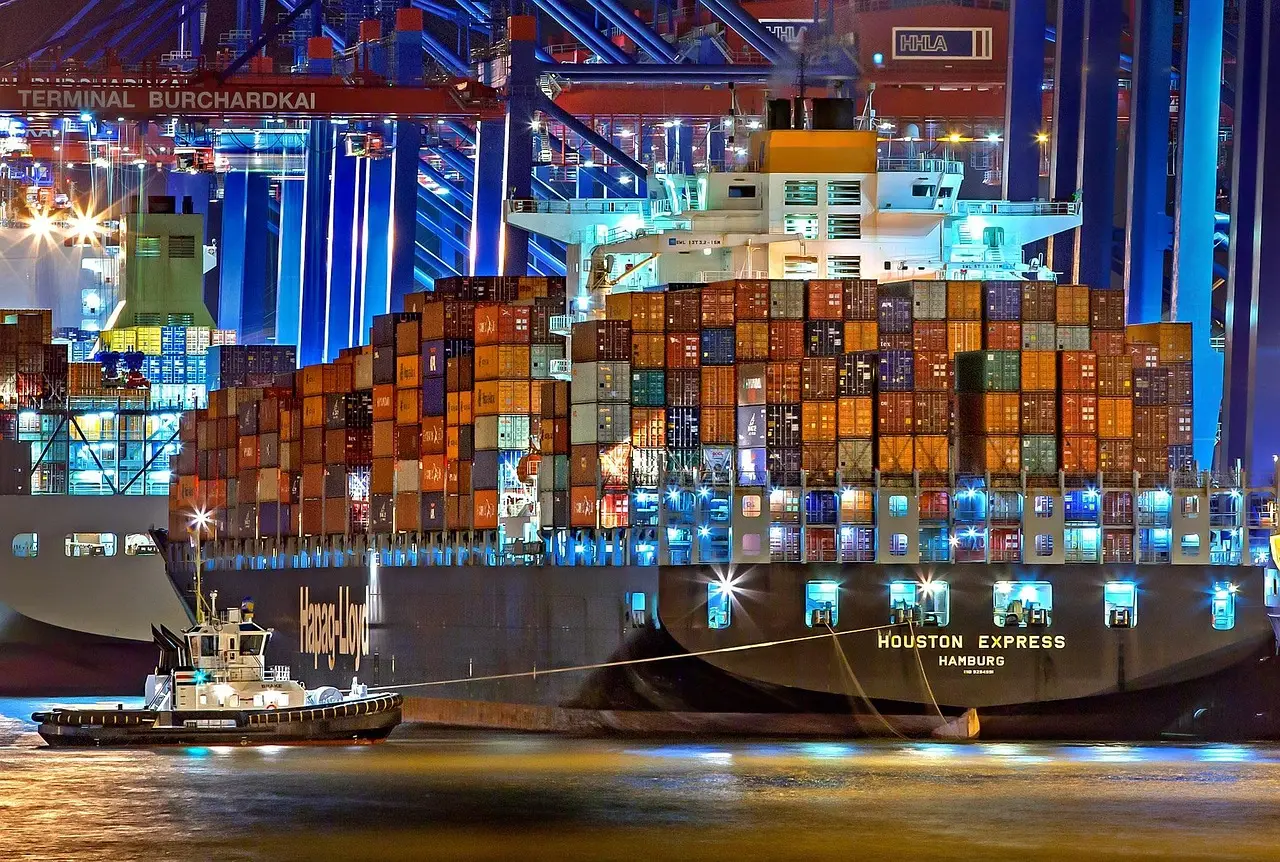
The U.S. government is investigating whether Iranian-linked hackers recently compromised as many as 50 commercial vessels, according to a U.S. official familiar with the matter. The FBI and U.S. Coast Guard conducted the shipboard response. No agency has announced a formal attribution finding, enforcement decision or closing date.
An unnamed U.S. official, a former military cyber operator and an industry executive briefed NPR on the attacks. The first official was not authorized to speak on the record. The Wall Street Journal first reported the series of breaches.
What does the investigation cover?
U.S. investigators believe dozens more vessels in international waters may have been compromised. Many others could face similar exposure. The figure of 50 is an intelligence estimate, not a count of vessels the FBI or Coast Guard has publicly confirmed as breached.
If investigators' suspicions prove correct, the attacks may be the latest Iranian cyberattack against global critical infrastructure during the ongoing war with the United States.
NPR reported that cybersecurity experts and U.S. officials believed Iranian hackers responsible for digital attacks on water-treatment systems across the country in August. The same reporting covered attacks on refrigeration and cooling systems that spoiled food at grocery stores on U.S. military bases and across Europe as recently as early November.
What happened during the boardings?
In August, the Coast Guard and FBI first partnered to send a “highly specialized team” to board two different foreign commercial vessels in the “Gulf of America” heading to U.S. ports. A joint statement said: “The captain, crew, and shore-side corporate staff were critical partners in helping to ensure the threats were mitigated.”
The FBI and Coast Guard press offices told NPR there were no current “reports of operational disruptions, vessel instability, physical danger to crews, or environmental impacts.”
Officials are preparing to investigate any ship entering a U.S. port that could be compromised. Winter and the busy holiday shipping season are approaching.
How did hackers reach ship networks?
According to the U.S. official, the attackers exploited known vulnerabilities in Fortinet FortiGate devices, frequently used in the maritime industry. The devices help manage firewalls and virtual private networks, the security controls that filter traffic and protect remote access.
In a September cyber bulletin, the Coast Guard and FBI warned the industry that threat actors were breaking into those devices. The bulletin said: “Threat actors routinely scan for specific, unpatched vulnerabilities to gain a foothold.”
Ship crews sometimes saw email disruptions or could not log in to their accounts, the official said. At least one vessel experienced an extended communications blackout. The official declined to explain how the government knew the scale of the suspected breaches across the sector.
What could the attacks affect?
After entering through the Fortinet flaw, hackers could move from ships' information-technology systems to operational technology (OT), the devices and networks controlling physical processes. That pivot is the difference between opening a ship's email inbox and reaching the controls for its engines.
The official said the actors “could have impacted the systems on board that control propulsion, steering, navigation, and cargo management.” The official gave no examples that such interference occurred.
At least one affected vessel was an LNG tanker designed to transport liquefied natural gas. Temperature control can prevent dangerous accidents when cargo includes explosive chemicals or fuel.
Commercial vessels have long faced physical-security reviews when entering the United States since the September 11 attacks. Digital attackers can now reach connected machinery from afar. The U.S. official called it: “It's a totally new paradigm that these tankers are networked in this way.”
National security officials had feared such access for years. A former Navy official, speaking on condition of anonymity, told NPR: “We had been tracking the possibility to exploit and take control of [operational technology] systems on Navy ships and Merchant [Marine] ships for a long time, and now this is coming to fruition.”
What should ship operators do?
For vessel owners and operators, the consequence is operational. They should treat cyber exposure as part of cargo and crew safety, not a separate IT task. The Coast Guard regularly publishes bulletins on vulnerabilities and security actions. Investigators are preparing to examine any ship entering a U.S. port that could be compromised.
U.S. officials are balancing two goals during the war. They do not want to advertise Iranian hacking efforts, yet they want shipowners to recognize the danger posed by internet-connected devices, particularly those linked to critical processes. The U.S. official said: “These are not sophisticated attacks. This is a known vulnerability that could be mitigated with some pretty basic cyber hygiene.”
The official described the wider stakes: “People never think about what a modern blessing electricity is until it goes out. People take the marine transportation system for granted until there's a problem and their stuff doesn't get there by Christmas.” The official added: “I wish more Americans knew how complex this system is.”
via feeds.npr.org (Source)
More from Sophie Lindqvist
Show full bio
News editor covering people, launches and day-to-day practice in International law and legal practice at Global Law Wire.
382 articles
Also before the court
- France Attributes Supermarket Refrigeration Cyberattack to Iran's IRGC
- France Accuses Iran of Cyber Sabotage in Mass Fridge Attacks
- France Blames Iran's IRGC for Supermarket Freezer Cyberattacks, Rules Out Nothing
- U.S. Forces Disable Cargo Ship Defying Iran Naval Blockade
- France Blames Iran for Major Refrigeration Cyberattack