Law report No. GLW-3204 · filed November 8, 2026
Regulation & EnforcementReported case
U.S. Forces Disable Cargo Ship Defying Iran Naval Blockade
CENTCOM disabled the St. Kitts-flagged M/V Huda in the Gulf of Oman on Nov. 7 after its crew repeatedly tried to violate the U.S. naval blockade against Iran.
By Amara Osei3 min read563 words
Holding
- U.S. forces disabled the St. Kitts-flagged M/V Huda in the Gulf of Oman on November 7, 2026.
- 147 commercial vessels have complied with U.S. redirection orders since July; five refusing ships have been disabled.
- U.S. forces have destroyed 10 Iranian commercial oil tankers tied to the IRGC shadow network.
- Rewards for Justice is offering up to $20 million for information on Iran's nuclear program.
- The Associated Press reports the blockade has been enforced for months around the Strait of Hormuz.
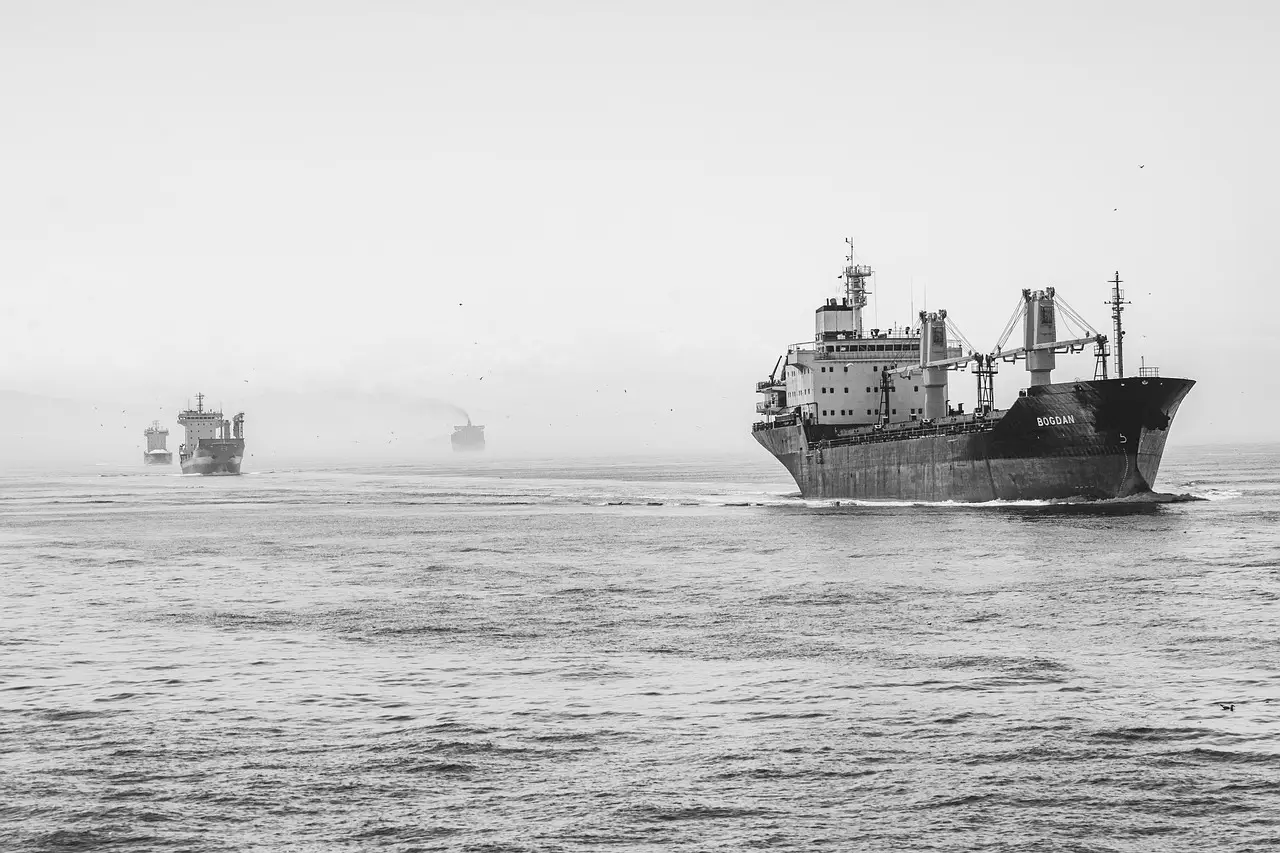
U.S. Central Command disabled a commercial cargo vessel in the Gulf of Oman on November 7, 2026, after its civilian crew ignored repeated warnings and attempted to breach the American naval blockade against Iran multiple times. The ship now sits stopped. Its flag state, St. Kitts, presumably received the message along with everyone else.
The target was the M/V Huda, a St. Kitts-flagged cargo vessel. CENTCOM said the ship had visited an Iranian port and was attempting to leave regional waters when the enforcement action began. American forces first directed the crew to abandon the spaces that would be struck. A U.S. military aircraft then fired precision munitions at the vessel's stern, disabling it.
The command announced the operation publicly, stating that its forces "disabled a commercial vessel in the Gulf of Oman, Nov. 7, after the ship's civilian crew ignored repeated warnings and attempted to violate the naval blockade against Iran multiple times."
What is the enforcement record so far?
The Huda is not an isolated case. The numbers tell a consistent story of escalation at sea.
- 147 commercial vessels have complied with American orders and been redirected since July.
- Five merchant ships that refused to comply have been disabled.
- U.S. forces have destroyed 10 Iranian commercial oil tankers linked, in CENTCOM's words, to the Islamic Revolutionary Guard Corps' multibillion-dollar shadow network.
The arithmetic is blunt. Compliance has been the norm; disablement has been the exception. Roughly one vessel in every thirty encounters has ended with munitions.
The Associated Press reported that the blockade has been enforced for months in and around the Strait of Hormuz, the chokepoint that carries a major share of global oil traffic. The last publicly confirmed American strike on a cargo vessel came nearly a month before the Huda operation, according to the same report.
What does the air posture show?
CENTCOM also published imagery of an Air Force crew chief preparing an A-10C Thunderbolt II for takeoff from a Middle East base on Friday. The command did not identify that aircraft as the one used against the Huda. The photograph remains, for now, atmosphere rather than evidence.
How does this fit the wider pressure campaign?
The naval campaign sits inside a broader effort by Washington to squeeze Tehran by targeting the people, equipment and money behind Iran's nuclear and military networks.
The Rewards for Justice program is now offering up to $20 million, plus possible relocation, for information about Iran's nuclear program. The reward covers facilities, equipment, associated personnel — including members of the scientific community — or the movement of any of the above. Twenty million dollars buys a great deal of testimony.
What is the practical consequence for shipping?
For commercial crews and their counsel, the calculus is stark. A vessel that follows lawful U.S. military directions is redirected and sails on; 147 ships have done exactly that since July. A vessel that refuses risks precision fire to its stern, as five merchant ships and 10 Iranian tankers have learned. P&I clubs, flag registries and operators routing through the Strait of Hormuz should treat CENTCOM's warnings as operative, not ornamental.
The message from November 7 is plain. Follow directions and sail away, or test a blockade that American forces have repeatedly shown they will enforce.
By Amara Osei, Global Law Wire
via 100percentfedup.com (Source)
More from Amara Osei
Show full bio
Senior reporter covering people, launches and day-to-day practice in International law and legal practice at Global Law Wire.
270 articles
Also before the court
- UK's First Solo Shadow-Fleet Interdiction Tests Limits of High Seas Law
- 27 Iranian Airlines Sanctioned: Third States Face IHL Clash
- Task Force Iron Gate: CENTCOM Widens Iran Pressure to Land Routes
- DDTC Removes Syria from ITAR Section 126.1 Policy of Denial
- UN Alarm Grows Over US Sanctions Threat Against ICC