Law report · filed November 24, 2026
Human RightsReported case
Senators Call Islamabad Model Jail Health Care 'Adequate' as HRW Documents Systemic Failures
Senators called Islamabad Model Jail healthcare "adequate" on November 19, while HRW documents systemic failures and a Peshawar High Court petition follows two prisoner deaths.
By Grace Kim3 min read523 words
Holding
- Senators toured the Islamabad Model Jail and called its healthcare facilities 'adequate' on November 19.
- Two prisoners died in Peshawar Central Prison after alleged delays in medical treatment, prompting a petition to the Peshawar High Court.
- Imran Khan issued a November 16 letter seeking urgent medical care, citing high blood pressure and his wife's need for eye surgery.
- Justice Project Pakistan called for common provincial standards in October.
- The Mandela Rules require free medical care for prisoners at community standards with prompt emergency attention.
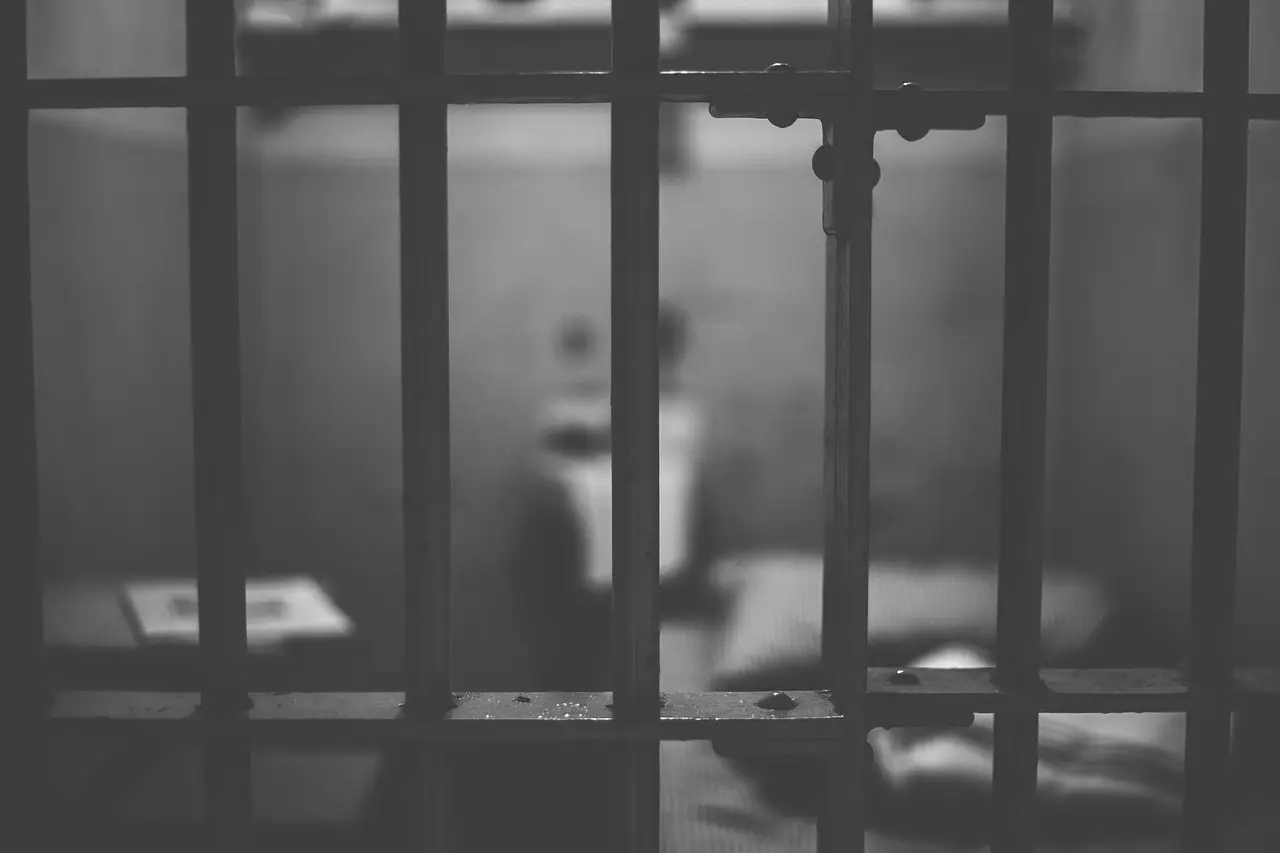
Pakistani senators inspected the prototype Islamabad Model Jail on November 19 and rated its healthcare facilities as "adequate." Human Rights Watch says the curated tour bears little relation to conditions across the rest of the country's prison system.
The senators' verdict applies only to the model facility. Most inmates experience something very different.
What is the scale of the problem?
Human Rights Watch has documented structural and systemic problems in Pakistan's jails and prisons. Inmates have little access to health care. Many who fall ill in custody fail to receive prompt or decent care at all.
The problem has reached the courts. After two prisoners died in Peshawar Central Prison following alleged delays in medical treatment, a lawyer petitioned the Peshawar High Court. The petition asks that prisons across the province be required to record when prisoners request medical help. It also demands clear procedures for emergency hospital transfers.
Takeaway: the gap between one showcase facility and the wider system is the real story.
Who has complained about medical neglect?
Colonial-era laws have long let Pakistani officials and powerful people interfere in prison operations. Poor conditions have sometimes served as a tool to harass jailed political opponents.
In a November 16 letter released by his lawyer, former Prime Minister Imran Khan appealed for urgent medical care for himself and his wife, Bushra Bibi. He cited his high blood pressure and her need for eye surgery.
Khan's appeal echoes earlier complaints. Former President Asif Ali Zardari and former Prime Minister Nawaz Sharif both raised similar concerns about medical care in custody. All have alleged that prison services denied access to medical care as a form of punishment.
Takeaway: allegations of medical care used as punishment span Pakistan's political divide.
What standards should apply?
Human Rights Watch says federal and provincial governments should bring prison health care in line with international standards. The key benchmark is the United Nations Standard Minimum Rules for the Treatment of Prisoners, the Mandela Rules.
Those rules require that prisoners receive necessary free medical care. The standard must match what is available in the community. Emergencies must receive prompt attention.
In October, Justice Project Pakistan called for common standards across provinces. The group wants prisoners to be able to see medical specialists when needed. It also wants treatment to continue after release.
What should practitioners and policymakers watch?
The Peshawar High Court petition sets out concrete procedural demands. Prisons would have to log when prisoners request medical help. Clear rules would govern emergency hospital transfers.
Human Rights Watch adds further measures. Governments should:
- provide prescribed medicines free of charge
- require prisons to record how long patients wait for care
- promptly facilitate transport when care requires an urgent hospital transfer
- ensure all prisoners, regardless of political affiliation or status, receive timely and adequate medical care with continuity of treatment
Takeaway: the reform agenda is procedural and measurable — records, waiting times and transfers.
The Islamabad Model Jail tour on November 19 offered senators a favorable picture. The petition before the Peshawar High Court, backed by two deaths and a documented pattern of neglect, offers the other one.
via hrw.org (Source)
More from Grace Kim
Show full bio
Correspondent covering companies, deals and strategy in International law and legal practice at Global Law Wire.
373 articles
Also before the court
- Israeli District Court Denies Independent Medical Exam for Detained Gaza Doctor
- European Court Orders Turkey to Free Jailed Lawmaker Atalay
- Karnataka High Court: Acquitted Pakistani Must Stay Detained
- ICC Judges Close Afghanistan Situation, Prosecutor Appeals
- Pakistan Law Creates Long-Delayed Minority Rights Commission