Law report No. GLW-9833 · filed November 17, 2026
Criminal JusticeReported case
France Blames Iran's IRGC for Supermarket Freezer Cyberattacks, Rules Out Nothing
France blames Iran's IRGC for cyber sabotage of 700 supermarket freezers, opens a probe, and seeks arrest warrants as the EU weighs a united sanctions response.
By Sophie Lindqvist3 min read694 words
Holding
- Cyberattacks on October 11-12 hit 700 French supermarket sites via hijacked cooling systems, with similar incidents in 11 other European countries in early November.
- Paris prosecutor Laure Beccuau opened an investigation into IRGC unit Shahid Kaveh on Monday and requested international arrest warrants for two of its officials.
- Foreign Minister Jean-Noel Barrot said France rules out 'nothing' and may take undisclosed measures, including European-level sanctions.
- The EU said Tuesday it would seek a 'swift and united response,' citing its cyber diplomacy toolbox, including sanctions.
- Sweden warned more attacks are likely, as its grocery stores were also targeted last week.
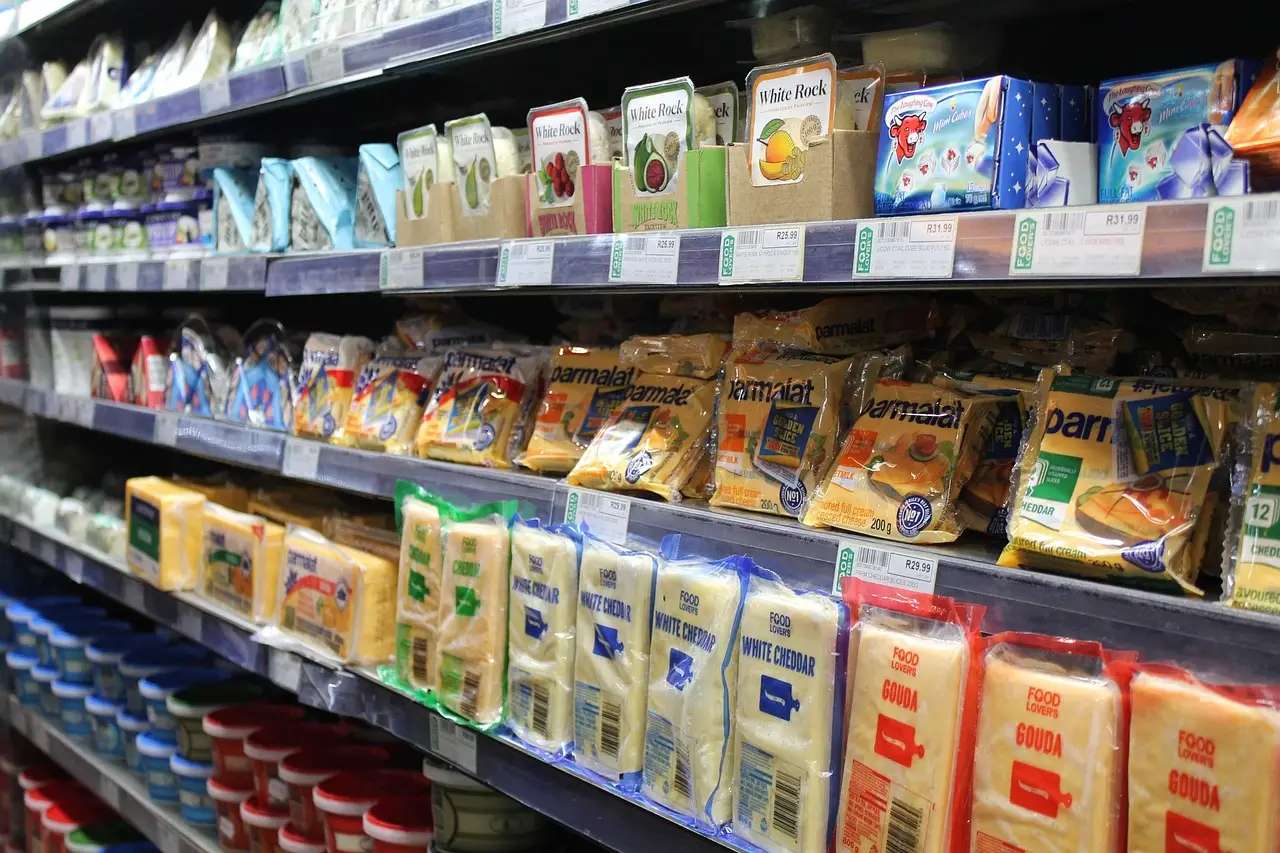
France has blamed Iran's Islamic Revolutionary Guard Corps for cyberattacks that hit 700 supermarket sites on October 11 and 12, and Paris prosecutor Laure Beccuau opened an investigation on Monday into an IRGC cyber unit, requesting international arrest warrants for two of its officials.
Foreign Minister Jean-Noel Barrot said Tuesday that France ruled out "nothing" in its response, promising measures France "may not disclose publicly" — including seeking European-level sanctions and summoning Iran's ambassador.
What exactly did the attackers do?
The operation was surgical in its simplicity. Attackers took over supermarket cooling systems through their web interfaces, according to Beccuau. They then triggered what she called "abnormal, indefinite defrost cycles" in refrigerators and freezers. They also disabled the alerts from sensors designed to go off when temperatures exceeded a set threshold (the standard fail-safe that warns staff of spoilage).
The result: hundreds of French supermarkets watched temperatures climb with no warning. Many threw away entire inventories of perishable food. Similar incidents surfaced in at least 11 other European countries in early November.
Barrot announced the attribution on Monday, on the sidelines of a G7 foreign ministers' meeting in Paris. "This attack is unprecedented in both its scale and its level of aggression," he said.
Who is the accused unit?
Beccuau's investigation targets Shahid Kaveh, which she described as "an offensive cyber unit affiliated with the Electronic and Cyber Center of the Islamic Revolutionary Guard Corps (IRGC-CEC)." The IRGC is the Islamic republic's ideological army.
France's Center for Coordination of Cyber Crises, which groups security agencies including the intelligence services, offered more detail. The unit "conducts large-scale campaigns targeting industrial equipment for the purpose of sabotage, directed primarily against Israel and the United States, but also against France and other European countries."
The Paris attacks mark the first such large-scale cyber sabotage on French territory, officials said.
How has Iran responded?
Tehran denies everything. Iran's foreign ministry rejected the accusations as "baseless" and said it "strongly condemns this hackneyed policy of levelling accusations against the Islamic republic."
Diplomatically, Iran's ambassador was received on Tuesday by the French foreign ministry's secretary-general. The backdrop is tense: the United States and Israel launched a war with Iran that began with the killing of supreme leader Ali Khamenei on Feb. 28. European countries stayed out of that conflict. But French officials have separately accused Iran of spreading misinformation linked to the protests that have rocked France over the past month.
What response is France and the EU preparing?
Barrot laid out the strategy in an interview with Franceinfo TV. The goal, he said, is "to deter anyone who might be tempted, in Iran or elsewhere, to do it again." His full formulation: France would "rule nothing out and will take all measures — including those we may not disclose publicly — that we deem proportionate and necessary to deter any further attacks."
The European Union signaled alignment. Spokesman Anouar El Anouni said Tuesday the bloc would work toward a "swift and united response" pending discussion with member states. "As the EU, we have consistently called on all states to refrain from malicious behavior in the cyber space, and we will continue to address such malicious behavior, making use of all the tools that we have, also under the EU cyber diplomacy toolbox, including sanctions," he said.
The EU cyber diplomacy toolbox is the bloc's framework of measures — from diplomatic protests to sanctions listings — for responding to malicious cyber activity.
Could the attacks spread?
Sweden thinks so. Swedish grocery stores saw their refrigeration systems targeted last week. Civil Defense Minister Carl-Oskar Bohlin cautioned it was not yet possible to say whether there was a connection to the French attacks, noting the sabotage would have "been easy to copy."
He warned that more cyberattacks could be expected in the coming months, as AI tools have made it easier to detect vulnerabilities.
For practitioners, the case is a signal that industrial control systems — even supermarket freezers — now sit squarely in the crosshairs of state-linked cyber sabotage, and that European attribution and sanctions machinery is activating in response.
via Courthouse News (Source)
More from Sophie Lindqvist
Show full bio
News editor covering people, launches and day-to-day practice in International law and legal practice at Global Law Wire.
333 articles
Also before the court
- France Accuses Iran of Cyber Sabotage in Mass Fridge Attacks
- France Blames Iran for Major Refrigeration Cyberattack
- France Attributes Supermarket Refrigeration Cyberattack to Iran's IRGC
- Operation TorNado: 354 Arrests, $234 Million Seized in Dark-Web Sweep
- UN Alarm Grows Over US Sanctions Threat Against ICC