Law report No. GLW-8492 · filed November 17, 2026
Criminal JusticeReported case
France Attributes Supermarket Refrigeration Cyberattack to Iran's IRGC
France attributes an October 2026 cyberattack on 700 supermarket refrigeration systems to Iran's IRGC unit Shahid Kaveh, citing fires, tens of millions in losses, and pursuing international arrest warrants.
By Priya Raman4 min read775 words
Holding
- France on November 9, 2026 attributed an attack on ~700 large-retail sites to IRGC-linked unit Shahid Kaveh.
- The attack occurred overnight October 11-12, 2026, causing at least 15 fires and tens of millions of euros in losses.
- The Paris prosecutor seeks international arrest warrants for three alleged Shahid Kaveh leaders.
- Temperatures in some systems reportedly reached 122 degrees Fahrenheit for about six hours.
- A second wave of refrigeration incidents in five European countries remains unattributed.
By Priya Raman
France on Monday, November 9, 2026, formally attributed a cyberattack that disabled refrigeration systems at roughly 700 supermarket sites to Shahid Kaveh, a cyber-offensive unit affiliated with the electronic and cyber arm of Iran's Islamic Revolutionary Guard Corps. The announcement came from the French Foreign Ministry, which described the October operation as the first large-scale cyber campaign on French soil conducted purely for sabotage.
The Foreign Ministry said the attack caused major equipment damage, food losses worth tens of millions of euros, and multiple fires. It called the operation a direct threat to French national interests and public safety, and connected it to a broader pattern of hostile Iranian cyber activity targeting French interests since 2020. That framing is unusually blunt for a cyber attribution case. It signals that Paris treats the episode as an attack on the state, not a private-sector outage.
France summoned the Iranian ambassador, said it would propose new European Union sanctions, and warned that additional responses could follow without public announcement. Prosecutors, for their part, opened a criminal investigation into sabotage committed in service of a foreign power.
What did the attackers actually do?
The operation unfolded during the night of October 11 into October 12, 2026, according to France's joint cyber-crisis report from CERT-FR and C4. The intruders took control of internet-connected refrigeration controllers and changed defrost settings to dangerously high temperatures. Alarms were reportedly disabled.
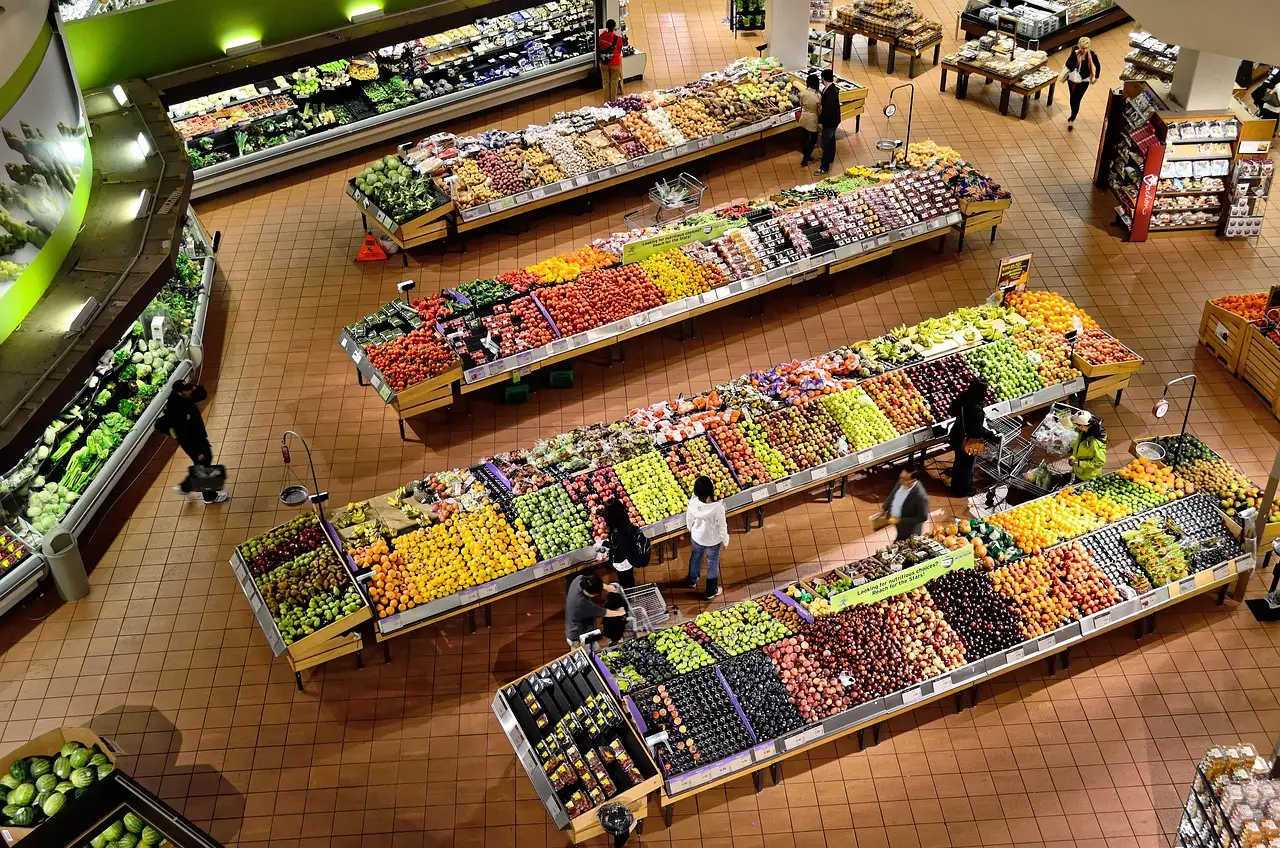
The consequences were immediate. Refrigerators and freezers heated up, stores discarded fresh and frozen food, and at least 15 fires broke out. The Associated Press reported that temperatures in some systems reached 122 degrees Fahrenheit for roughly six hours. Employees hauled ruined meat, ice cream and other food into disposal containers.
The scale, translated: roughly 700 of France's 10,000 supermarkets were affected — about one in every fourteen. One major supermarket chain estimated losses in the tens of millions of euros in a single day.
The physical damage distinguishes this from the familiar ransomware attack that locks files and demands payment. Here, food spoiled and equipment burned.
Who is blamed, and on what evidence?
French investigators named Shahid Kaveh as the responsible unit. The CERT-FR and C4 report says investigators tied the campaign to infrastructure, tools and operating patterns associated with the unit. The investigation also found traces of the Persian language and links to devices located in Iran.
ANSSI, the French cyber agency, stated in its announcement: the attack targeting the cold controllers of approximately 700 large-retail sites in France, between October 11 and 12, 2026, was conducted by the cyber-offensive unit Shahid Kaveh.
The Paris prosecutor's office is seeking international arrest warrants for the alleged head of Shahid Kaveh, two deputies, and any additional suspects identified during the investigation. The Record reported that the same IRGC-linked ecosystem has previously been connected to attacks on industrial controllers, including systems used by American water utilities.
Most known victims were supermarkets. But the damage spread further into the food supply chain. French authorities said small butcher shops, a slaughterhouse and food-processing facilities were also affected. The attackers even targeted equipment at small hydroelectric sites, although officials described the effects there as limited.
The attack appears to have relied less on exotic capabilities than on exposed remote-management systems and weak security around internet-connected industrial devices. The report does not say how the initial access was obtained in every case. That gap matters for anyone assessing liability.
What about the second wave?
French blood banks later faced attempts to drive refrigeration temperatures dangerously high, though workers protected the blood supply before products were lost. Stores in Sweden, Belgium, Luxembourg, Ireland and Estonia reported separate refrigeration problems in early November.
French officials have not publicly tied that later wave to Shahid Kaveh. The distinction matters. A shared target or method does not, by itself, prove a shared attacker. Those incidents remain under investigation.
What is the practical consequence?
For practitioners, the case combines four tracks: technical attribution evidence from CERT-FR, criminal proceedings before the Paris prosecutor with requested international warrants, diplomatic pressure through a summoned ambassador, and a proposed EU sanctions response. Companies operating connected industrial equipment — refrigeration, energy, food processing — should note that exposed remote-management systems formed the apparent entry point. Prosecutors are treating sabotage of such systems as an attack in service of a foreign power. Attribution stands; the promised sanctions, and any further retaliation, remain unannounced.
In plain words: France blames Iran for a kitchen-appliance attack that burned real stores, and the legal machinery — warrants, sanctions, summonses — is now in motion.
via 100percentfedup.com (Source)
More from Priya Raman
Show full bio
Staff writer covering companies, deals and strategy in International law and legal practice at Global Law Wire.
324 articles
Also before the court
- France Accuses Iran of Cyber Sabotage in Mass Fridge Attacks
- France Blames Iran's IRGC for Supermarket Freezer Cyberattacks, Rules Out Nothing
- France Blames Iran for Major Refrigeration Cyberattack
- Operation TorNado: 354 Arrests, $234 Million Seized in Dark-Web Sweep
- UN Alarm Grows Over US Sanctions Threat Against ICC