Law report No. GLW-9722 · filed October 10, 2026
Trade LawReported case
Indonesia Presses EU to Drop Biodiesel Import Curbs After WTO Win
Indonesia has urged the EU to lift biodiesel import curbs after a WTO ruling backed Jakarta, pressing Brussels to comply or risk escalating trade friction.
By Sophie Lindqvist3 min read630 words
Holding
- Indonesia has publicly urged the EU to remove its biodiesel import restrictions.
- Jakawa's demand follows a WTO ruling in the dispute over EU measures against Indonesian biodiesel.
- Indonesia is one of the world's largest biodiesel producers, using palm oil as the main feedstock.
- The EU now faces pressure to bring its measures into conformity with the WTO finding.
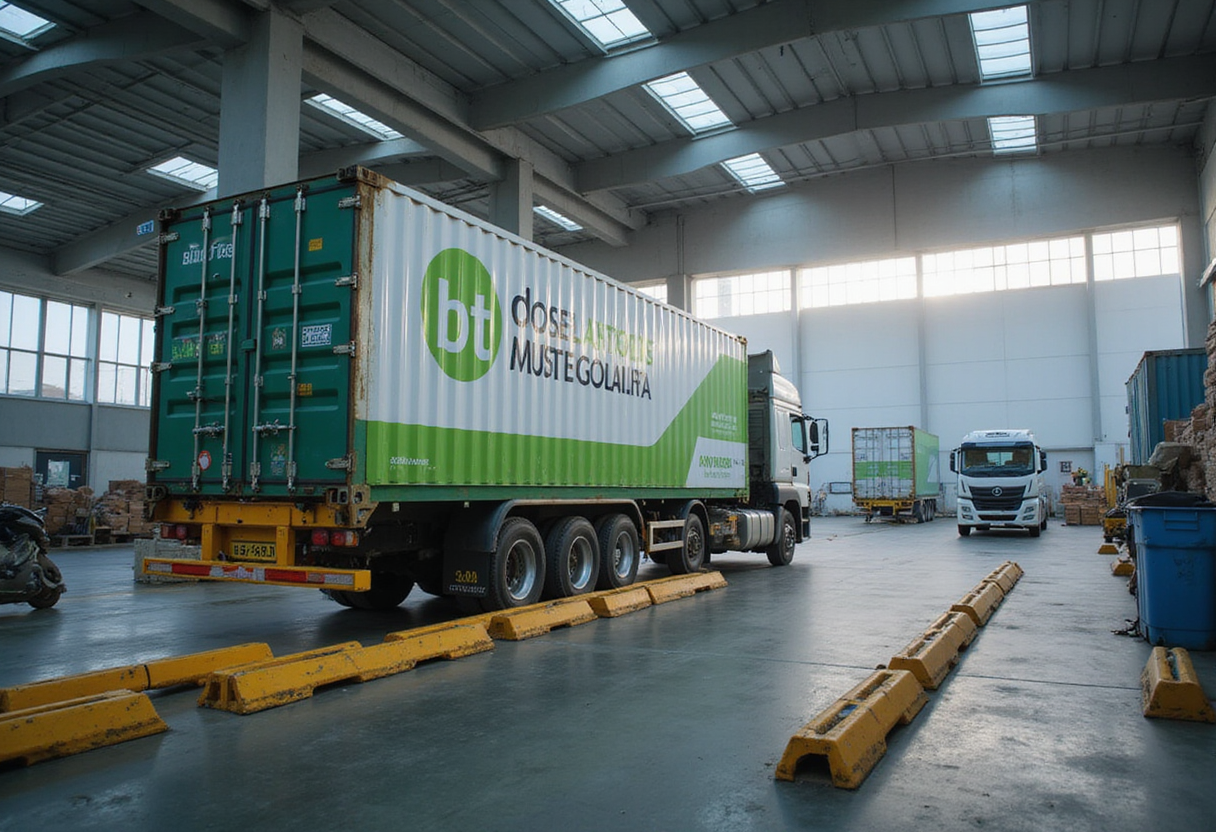
Indonesia has publicly called on the European Union to remove its curbs on biodiesel imports, citing a World Trade Organization ruling that Jakarta says supports its position in the long-running dispute over EU trade measures against Indonesian biofuel.
The demand, reported by Reuters, sharpens pressure on Brussels at a moment when the two sides remain at odds over market access for one of Indonesia's key agricultural exports. Indonesia ranks among the world's largest producers of biodiesel, derived largely from palm oil, and EU import restrictions strike directly at a strategically important sector of the Indonesian economy.
What does Indonesia want from the EU?
Jakarta wants the EU to dismantle the import restrictions it has applied to Indonesian biodiesel. Indonesia argues that the WTO ruling vindicates its complaint that EU measures unfairly burden its producers, and it now expects Brussels to bring its trade regime into line with the organization's findings.
The dispute centers on duties and countervailing measures that the EU has imposed on Indonesian biodiesel over the past decade. Indonesia has consistently maintained that these measures function as protectionist barriers rather than legitimate responses to unfair trade practices.
For Indonesian exporters, the stakes are commercial and immediate. EU market access determines the volume and pricing of biodiesel sales into one of the world's largest biofuel-consuming blocs, and any removal of the curbs would reopen a significant destination for Indonesian palm-based fuel.
What did the WTO decide?
The WTO ruling at the heart of Indonesia's demand found in favor of Jakarta's challenge to the EU measures. Indonesia has treated the decision as authoritative grounds for insisting that the import restrictions must now go.
The EU, for its part, faces a choice familiar to litigants before the WTO: comply with the ruling and adjust the contested measures, or risk continued friction with a major trading partner that has shown willingness to pursue formal dispute settlement to defend its export interests.
WTO rulings carry legal weight within the organization's dispute settlement framework. A member found to have breached its obligations is expected to bring its measures into conformity, and the prevailing party gains standing to seek compliance — including, where negotiations fail, authorization for retaliatory measures.
Why does this matter for practitioners?
Trade lawyers advising on EU-Indonesia biofuel flows should track whether Brussels moves to adjust or withdraw the contested measures, and on what timeline. Companies importing biodiesel into the EU will want to review their duty exposure and supply contracts in light of a possible change in the tariff treatment of Indonesian product.
The case also illustrates the enduring value of WTO dispute settlement for exporting nations confronting trade remedies. Indonesia's willingness to litigate — and to publicize its victory when pressing for compliance — signals that agricultural exporters will continue to use formal mechanisms to challenge EU trade measures they view as disproportionate.
For Brussels, the ruling arrives amid broader tension over the EU's approach to palm oil and biofuel sustainability regulation, a policy area that has repeatedly drawn objections from Jakarta. How the Commission responds will shape not only biodiesel trade flows but also the tone of EU-Indonesia economic relations going forward.
What happens next?
Indonesia's public call for compliance sets the stage for the practical follow-through: either the EU adjusts its measures or the dispute moves toward compliance proceedings. Exporters, importers and their counsel should watch for any EU announcement on the fate of the biodiesel duties.
The episode confirms Jakarta's strategy of pairing litigation with open diplomatic pressure. By urging removal of the curbs immediately after the WTO ruling, Indonesia has put the compliance question squarely before Brussels — and before every market participant with exposure to the biodiesel trade between the two economies.
via GN Trade Law (Source)
More from Sophie Lindqvist
Show full bio
News editor covering industry trends and analytics at Global Law Wire.
201 articles