Law report No. GLW-9244 · filed October 10, 2026
Trade LawReported case
Trump's Latest Global Tariffs Drawn Into Trade Court Challenge
CNBC reports a trade court challenge has been filed against the Trump administration's latest global tariffs. The court, parties, case reference, and legal theory remain pending in the public record.
By Priya Raman3 min read682 words
Holding
- CNBC headline dated this week reports a trade court challenge to Trump's latest global tariffs
- The available source contains only the headline, with no case caption, docket number, or filing date
- U.S. Court of International Trade sits in New York with exclusive jurisdiction over most Tariff Act of 1930 disputes under 28 U.S.C. § 1581
- Challenges to broad tariffs typically proceed under Section 232, Section 301, or Section 201 of U.S. trade statutes
- Importers generally must pay duties as assessed and pursue refunds under 19 U.S.C. § 1514; CIT injunctive relief is not automatic
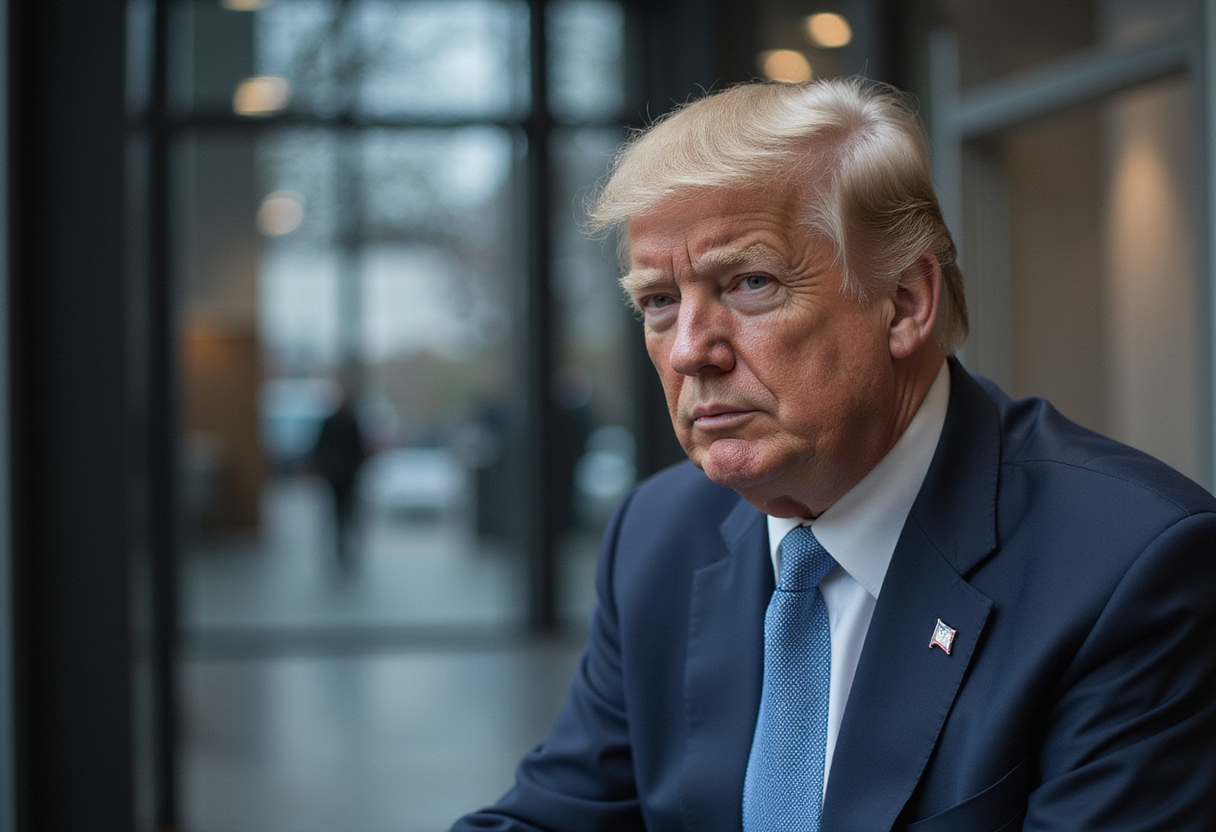
A trade court challenge has been lodged against the Trump administration's latest global tariffs, according to a CNBC report. The report, carried under the headline "Trump's latest global tariffs face trade court challenge," was published this week. The material available to Global Law Wire contains only the headline and the CNBC attribution, without accompanying article text, party names, docket number, or filing date.
The framing of the dispute—a "trade court challenge"—points to litigation in the U.S. Court of International Trade (CIT), the Article III tribunal sitting in New York with nationwide jurisdiction over civil actions arising from import transactions and federal customs laws. The CIT hears disputes over tariff classifications, customs duties, and trade-remedy determinations, and under 28 U.S.C. § 1581 it holds exclusive jurisdiction over most matters arising under the Tariff Act of 1930.
What is being challenged?
The CNBC headline refers generically to "Trump's latest global tariffs." The available source does not identify the scope, rate, product coverage, or statutory authority underlying the duties at issue. Practitioners reviewing the report will need to consult the Federal Register notices and any underlying Presidential Proclamation to determine the operative text of the contested measures.
The broad phrasing—"global tariffs"—suggests duties applied across multiple trading partners rather than a narrow, product-specific remedy. Challenges to such measures typically proceed under one of three statutory frameworks: Section 232 of the Trade Expansion Act of 1962 (national security), Section 301 of the Trade Act of 1974 (unfair foreign trade practices), or Section 201 of the Trade Act of 1974 (safeguard measures). Each framework carries distinct judicial review standards and procedural postures.
Why a trade court?
The CIT is the typical venue for importers, trade associations, and affected industries seeking to enjoin or recoup duties. Foreign governments more commonly proceed through World Trade Organization dispute-settlement channels, though parallel U.S. litigation remains available. Domestic industry plaintiffs, including producers challenging the legal basis for new duties, also file in the CIT.
A CIT judgment on the merits is appealable to the U.S. Court of Appeals for the Federal Circuit, whose precedent binds future tariff litigation. The Supreme Court has occasionally granted certiorari in high-stakes trade cases, particularly where separation-of-powers questions intersect with delegated tariff authority.
What happens next in court?
The CNBC report signals that litigation has been filed, not that a court has ruled. The procedural posture will dictate the near-term calendar. If plaintiffs seek a preliminary injunction to suspend duty collection during the litigation, the CIT evaluates the four traditional equitable factors: likelihood of success on the merits, irreparable harm to the movant, balance of equities, and the public interest. Government defendants carry the burden of justifying restrictions on commerce.
Trade court challenges do not automatically halt tariff collection. Under 19 U.S.C. § 1514, importers generally must pay duties as assessed at entry and then pursue protests and litigation to recover any overpayment. The CIT may grant injunctive relief, but such orders are not automatic and typically require a showing of immediate, non-monetary harm.
What practitioners should watch
For trade counsel advising importers, the report flags an unsettled landscape. Customs brokers should continue processing entries under protest to preserve refund rights under 19 U.S.C. § 1514. Companies with significant import exposure should monitor the CIT docket for amicus opportunities, coordinated plaintiff groups, and any orders on motions for preliminary relief.
Key items to track once the docket is public:
- The case caption and docket number
- The statutory authority cited as the basis for the challenged duties
- The identity of plaintiffs and their standing theory
- Any motion for preliminary injunction and the briefing schedule
- Parallel proceedings in the Court of International Trade, the Federal Circuit, or the WTO
Until the underlying CNBC report becomes available in full, the confirmed fact remains narrow: a trade court challenge has been filed against the Trump administration's latest global tariffs. The deciding body, the case reference, the parties, and the operative legal theory remain to be identified in the public record.
via GN International Courts (Source)
More from Priya Raman
Show full bio
Staff writer covering consumer brands and retail at Global Law Wire.
187 articles
Also before the court
- New Federal Court Challenge Targets Trump's Latest Global Tariffs
- Forced Labor Tariff Fight Lands at U.S. Court of International Trade
- Federal Court Strikes Down New Global Tariffs Imposed After Supreme Court Loss
- Trade Court Rules Trump's 10% Global Tariff Illegal
- US Trade Court Finds Trump Tariffs Illegal, Narrow Block Follows