Law report No. GLW-4740 · filed October 2, 2026
Trade LawReported case
Indonesia Regrets EU Appeal of WTO Biodiesel Ruling
Jakarta voices regret after Brussels appeals the WTO panel ruling that favoured Indonesia in the biodiesel anti-dumping dispute, leaving the case in limbo.
By Grace Kim2 min read403 words
Holding
- The EU appealed the WTO panel ruling that found its anti-dumping and countervailing measures against Indonesian biodiesel breached trade rules.
- Indonesia, the world's largest palm oil producer, expressed regret at the EU's decision to appeal.
- The WTO Appellate Body has been unable to hear appeals since 2019, leaving the case without a resolution date.
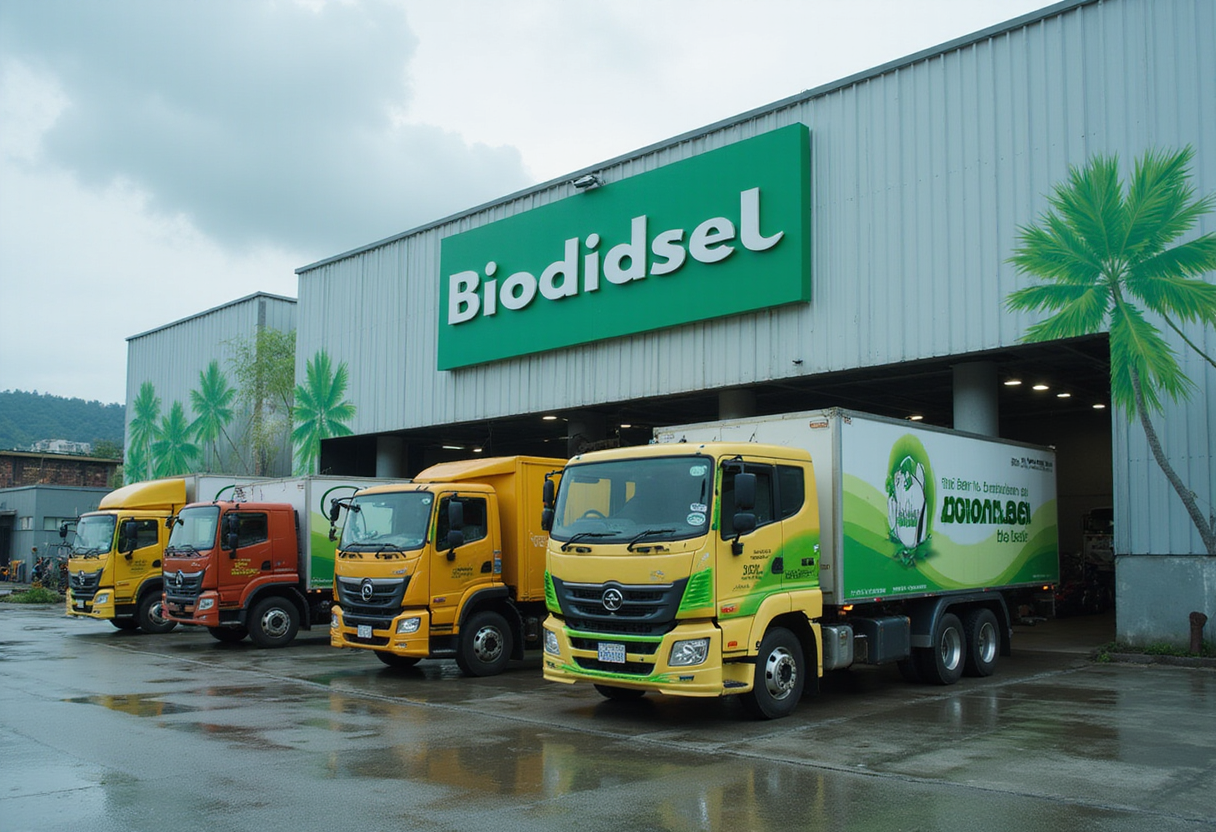
Indonesia has expressed regret over the European Union's decision to appeal a World Trade Organization panel ruling in the long-running biodiesel dispute, keeping one of the most consequential trade cases between the two parties unresolved for months to come.
The WTO panel had earlier found in Indonesia's favour on key claims, determining that EU anti-dumping and countervailing measures against Indonesian biodiesel imports breached international trade rules. Indonesia, the world's largest palm oil producer, challenged those measures after the EU imposed duties on its biodiesel, arguing the tariffs shut Indonesian product out of the European market.
Jakarta's reaction came after Brussels formally notified the WTO of its intention to appeal the panel report. Because the WTO Appellate Body currently lacks the members needed to hear appeals — a paralysis dating from 2019, when the United States blocked new appointments — the EU's appeal sits in legal limbo. The panel report cannot be adopted while an appeal is pending, leaving Indonesia without an enforceable ruling.
An Indonesian trade ministry official described the EU's move as disappointing, noting that Jakarta had expected the panel's findings to be accepted and implemented. Indonesia had previously signalled that it would press the EU to bring its measures into conformity with WTO obligations.
For practitioners, the practical consequences are immediate. European importers and Indonesian exporters face continued uncertainty over the duty treatment of biodiesel flows between the two markets. Indonesian producers hoping for tariff relief following the panel's findings must wait, potentially indefinitely, unless the EU pursues the appeal through an alternative mechanism such as the Multi-Party Interim Appeal Arbitration Arrangement (MPIA), to which Indonesia is not a party. Trade lawyers advising clients in the agricultural fuels sector should monitor any request for authorization to suspend concessions that Indonesia may pursue if the report is eventually adopted.
The dispute sits within a broader clash over palm oil between Indonesia and the EU, with separate WTO litigation and EU renewable energy policies reducing palm-based fuel's classification as a sustainable feedstock. Indonesia, together with Malaysia, has repeatedly challenged those policies as discriminatory.
No date is set for resolution. Under current WTO rules, an appeal into a defunct Appellate Body leaves the case in procedural standstill — a growing pattern in the multilateral trading system that legal advisers in Geneva and Jakarta will watch closely as the biodiesel dispute enters its appellate phase.
via GN Trade Law (Source)
More from Grace Kim
Show full bio
Correspondent covering consumer brands and retail at Global Law Wire.
206 articles
Also before the court
- Indonesia Urges EU to Drop Biodiesel Import Curbs After WTO Ruling
- WTO Deadline Expires: Indonesia Weighs Next Move on EU Palm Oil
- Indonesia Asks WTO for Green Light to Suspend EU Trade Concessions
- Indonesia Presses EU to Drop Biodiesel Import Curbs After WTO Win
- EU to Revise Palm Oil Biofuel Rules After WTO Backs Indonesia