Law report No. GLW-7850 · filed September 29, 2026
Courts & TribunalsReported case
ICC Member States Vote to Remove Prosecutor Karim Khan From Office
ICC member states voted 82-13 to remove prosecutor Karim Khan after findings of serious misconduct tied to sexual abuse allegations. Khan denies wrongdoing and vows to challenge the decision.
By Marcus Bennett
Holding
- On 24 July 2026, 82 of 125 ICC member states voted to remove prosecutor Karim Khan; 13 voted against and 11 abstained in a secret ballot at the UN headquarters in New York.
- The ICC governing body's executive committee suspended Khan in June 2026 after concluding he committed serious misconduct connected to sexual abuse allegations; Khan denies all allegations and his lawyers say he will challenge the removal decision.
- Arrest warrants issued by ICC judges, including those concerning Vladimir Putin and Benjamin Netanyahu, are unaffected by the removal; the prosecution division of about 400 staff is now run by Khan's two deputies pending election of a new prosecutor.
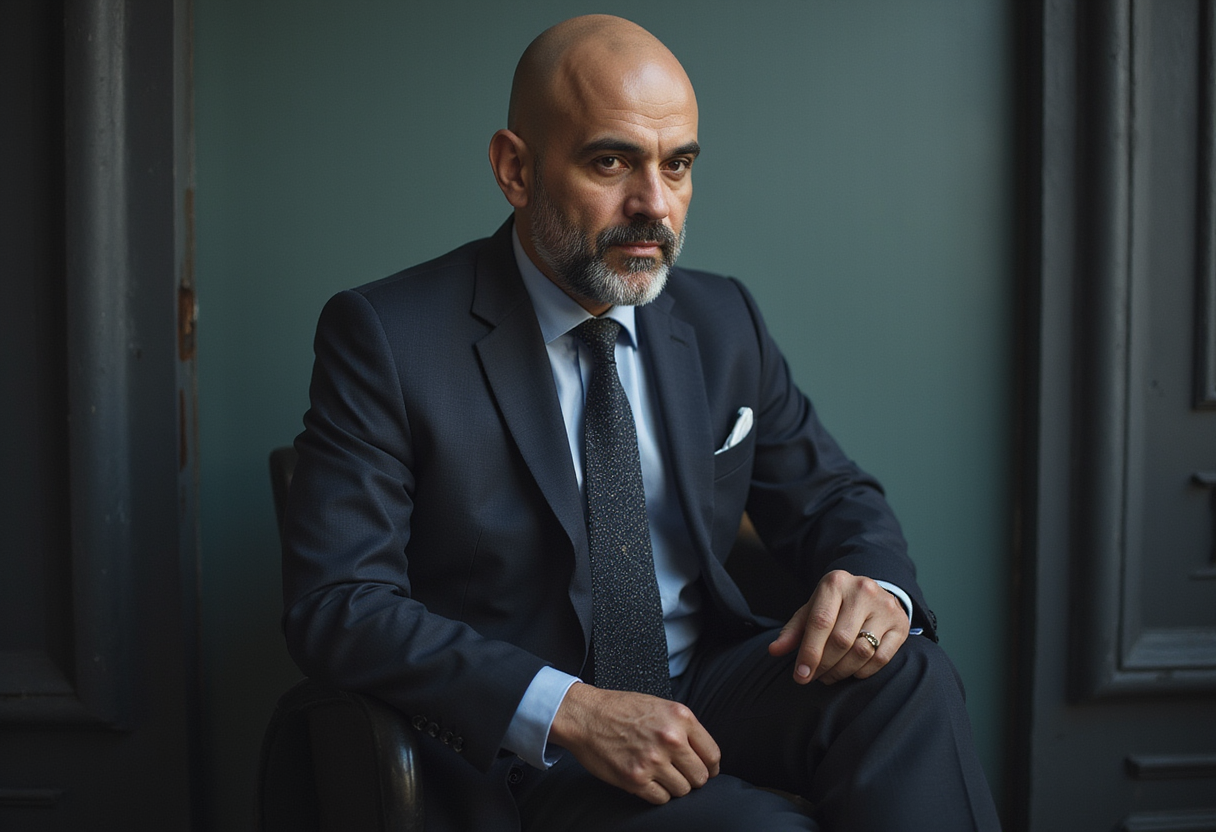
The International Criminal Court's member states voted on Friday, 24 July 2026 to remove Karim Khan KC from his post as ICC prosecutor, capping an unprecedented disciplinary process that concluded he had committed serious misconduct in connection with allegations of sexual abuse.
According to sources familiar with the result, 82 of the court's 125 member states voted in favour of removal at a special closed-door meeting held at the United Nations headquarters in New York. Thirteen states voted against removal in the secret ballot. Eleven abstained.
The decision follows a drawn-out disciplinary process examining allegations made by a woman who worked for Khan at the ICC. The allegations include claims that he engaged in coercive and non-consensual sexual behaviour over an extended period. Khan has repeatedly denied all allegations against him.
The procedural route to removal
The vote traces back to June 2026, when the executive committee of the ICC's governing body — the Assembly of States Parties — suspended Khan after concluding he had committed serious misconduct in connection with the sexual abuse claims, and referred the outcome to member states to decide on permanent removal.
On Friday, diplomats reviewed three materials before voting: the executive committee's findings, a fact-finding report by a UN watchdog, and a legal analysis of that investigation prepared by a panel of judges.
Khan's legal team has criticised the disciplinary process as procedurally unfair. In a statement after the vote, his lawyer Tayab Ali said: "Khan's removal was determined by a process in which he was never given a fair opportunity to be heard." He called the decision "unsupported by any lawful or properly reasoned finding". Khan's lawyers said he would "challenge the lawfulness and fairness of the decision through all available legal mechanisms".
The conspiracy theory rejected
After the allegations first emerged in 2024, Khan's representatives suggested the claims might form part of a plot to discredit him in response to his decision that year to seek arrest warrants for the Israeli prime minister, Benjamin Netanyahu, and his then defence minister.
The ICC's governing body rejected that theory. In its report on the disciplinary process, it found no evidence that the complainant was "being used by third parties, including intelligence agencies".
The complainant addressed the suggestion herself last week in an interview with CNN's Christiane Amanpour. "My complaint was because of what happened to me, not for any other reason," she said.
Danya Chaikel, the International Federation for Human Rights' representative to the ICC, said the vote testified to the complainant's "extraordinary courage in coming forward, despite everything she risked in doing so".
A second woman has also accused Khan of sexual misconduct. She came forward in August 2025 and accused him of mistreating her while working as his intern earlier in his career. Khan's lawyers have said he categorically denies having "harassed or mistreated any individual".
Tenure, warrants and what comes next
Khan, a prominent British barrister, was elected in 2021 to a nine-year mandate leading the court's prosecution division, which investigates and brings to trial individuals accused of atrocities. His decisions to obtain arrest warrants for the Russian president, Vladimir Putin, and for Netanyahu raised the court's profile and drew it into confrontation with major powers.
The warrants, issued by judges, remain unaffected by his removal. The prosecution division, which employs roughly 400 staff, has nonetheless been left bruised by a protracted scandal and a convoluted resolution process.
The removal comes as the court faces sustained external pressure. The Trump administration has imposed sanctions on several ICC judges and prosecutors, and last week the US State Department vowed to "systematically disable the ICC's ability to operate". Senior officials at the court's headquarters in The Hague do not expect that hostility to ease with a change of prosecutor.
The court must now elect a new prosecutor — prosecutors are elected by the ICC's member states. Since Khan stepped aside last year pending the disciplinary outcome, his two deputies have run the prosecution office. Some within the division favour one of the deputies taking over permanently; others argue the office needs a fresh start after two years of turmoil.
Practical consequences for practitioners
For counsel and observers, the immediate effects are threefold. First, the pending judicial warrants and cases — including those concerning Putin and Netanyahu — continue unaffected, since warrants issue from judges, not the prosecutor. Second, Khan's pledged legal challenge to his removal opens a further procedural front before the ICC's governing bodies and potentially the courts, which practitioners should monitor for precedent on removal procedure and due process for elected officials. Third, the transition period leaves the prosecution office under deputy leadership while US sanctions pressure continues, a combination likely to slow new investigations and complicate engagement with the Office of the Prosecutor in the near term.
via support.theguardian.com (Original)
More from Marcus Bennett
Show full bio
Market editor covering marketplaces and e-commerce at Global Law Wire.
192 articles