Law report No. GLW-9935 · filed October 11, 2026
Criminal JusticeReported case
Truth Commission: ICC Ruling Clears Path for Duterte Trial
The Philippines' Truth Commission says an ICC ruling clears the way for former president Rodrigo Duterte's trial, moving the case toward proceedings on the merits.
By Priya Raman3 min read612 words
Holding
- The Philippines' Truth Commission says an ICC ruling clears the way for Duterte's trial.
- The statement was reported by The Manila Times.
- The ICC is seated in The Hague.
- The Philippines withdrew from the Rome Statute in 2019.
- No trial date was specified in the report.
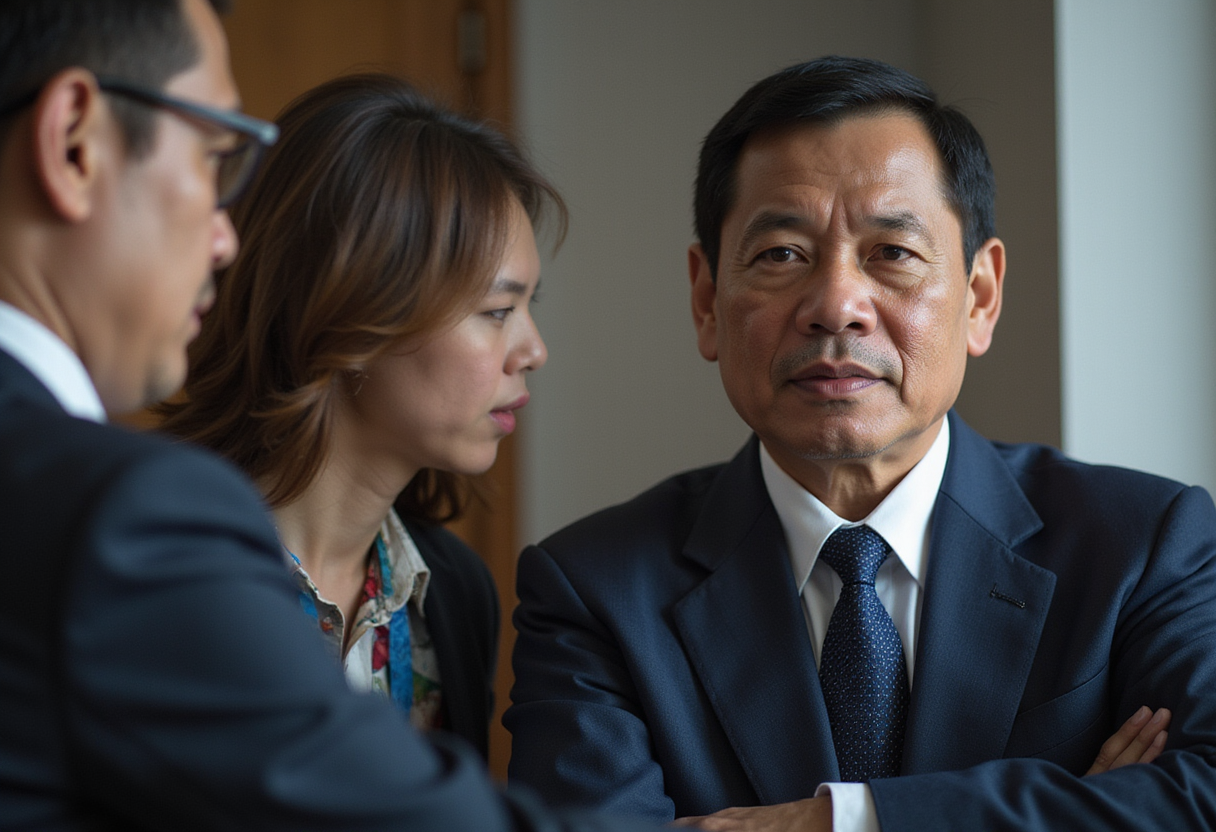
The Philippines' Truth Commission has announced that a ruling by the International Criminal Court clears the way for the trial of former president Rodrigo Duterte, according to a report by The Manila Times.
The statement from the Truth Commission marks the latest development in a case that has moved between domestic institutions in Manila and the international court seated in The Hague. The commission framed the ICC's ruling as removing obstacles that previously stood between prosecutors and a full trial on the merits.
The Manila Times reported the commission's position under the headline "Truth Commission: ICC ruling clears way for Duterte trial." The short report did not set out the full text of the ruling or identify the specific chamber that issued it, but the commission's characterization is unambiguous: the court's decision opens the procedural road to trial.
What does the ruling change?
For practitioners, the significance lies in procedure rather than substance. A ruling that "clears the way" for trial resolves, at minimum, the jurisdictional and admissibility questions that typically precede an ICC trial. Those questions were live issues in this matter because the Philippines withdrew from the Rome Statute in 2019, midway through Duterte's presidency, prompting litigation over whether the court retained jurisdiction over alleged conduct from the period when the country was still a state party.
A green light from the ICC, endorsed publicly by the Truth Commission, means the case now proceeds toward trial proceedings — witness preparation, disclosure, and eventually the presentation of evidence — rather than remaining stalled at the jurisdictional threshold.
Why does the Truth Commission's position matter?
The Truth Commission is a domestic Philippine body, and its public endorsement of the ICC ruling carries political and institutional weight. It signals that at least one organ of the Philippine state regards the international prosecution as legally sound and procedurally viable.
That matters for cooperation. ICC trials depend on state cooperation for witness protection, evidence transfer, and enforcement. A domestic commission aligned with the court's trajectory reduces, at least rhetorically, the friction that can arise when a defendant's home state opposes the prosecution.
What happens next?
Based on the reported development, the case moves toward trial. The Manila Times report did not specify a trial date, the charges to be read at confirmation, or the composition of the trial chamber. Practitioners watching the docket will look for the court's formal scheduling orders as the next concrete markers.
For Duterte's defense team, the immediate practical consequence is that litigation strategy must now pivot from blocking the case to defending it on the merits — contesting evidence, cross-examining witnesses, and preserving appellate options.
For prosecutors and victims' representatives, the ruling means preparations for trial submissions can proceed without awaiting further jurisdictional rulings.
The road to this point
Duterte has faced international scrutiny over his administration's drug war since his time in office. The Philippines' withdrawal from the Rome Statute in 2019 complicated but did not end the ICC's involvement, and the case has since progressed through the court's pre-trial phase.
The Truth Commission's statement, as reported, treats the ICC's ruling as the decisive step that converts a contested proceeding into a trial-bound one.
Why this story matters
The case is one of the most closely watched proceedings before the ICC, involving a former head of state from an Asia-Pacific nation. Every procedural ruling carries weight beyond the individual case, shaping how the court handles matters involving states that have withdrawn from the Rome Statute.
The Manila Times report, while brief, confirms the commission's view that the final procedural barrier has fallen.
via GN International Courts (Source)
More from Priya Raman
Show full bio
Staff writer covering consumer brands and retail at Global Law Wire.
187 articles