Law report · filed November 23, 2026
Human RightsReported case
COP31 in Antalya Ends Without Antalya Pact Consensus
COP31 in Antalya closed without consensus on the Antalya Pact, leaving displaced communities without relocation language, added adaptation funds, or recognition of the ICJ climate opinion.
By Sophie Lindqvist4 min read719 words
Holding
- COP31 in Antalya, Türkiye, ended without consensus on the proposed Antalya Pact, the summit's overarching political agreement.
- Outcome decisions omitted explicit discussion of displacement and planned relocation, and governments failed to increase adaptation funding.
- The ICJ's landmark opinion affirming human rights obligations on climate went unacknowledged in COP31 outcomes.
- After screening the documentary Solwata, several government officials and climate fund directors committed to supporting relocation finance and policies.
- Ethiopia hosts COP32, with calls to center adaptation and loss-and-damage finance.
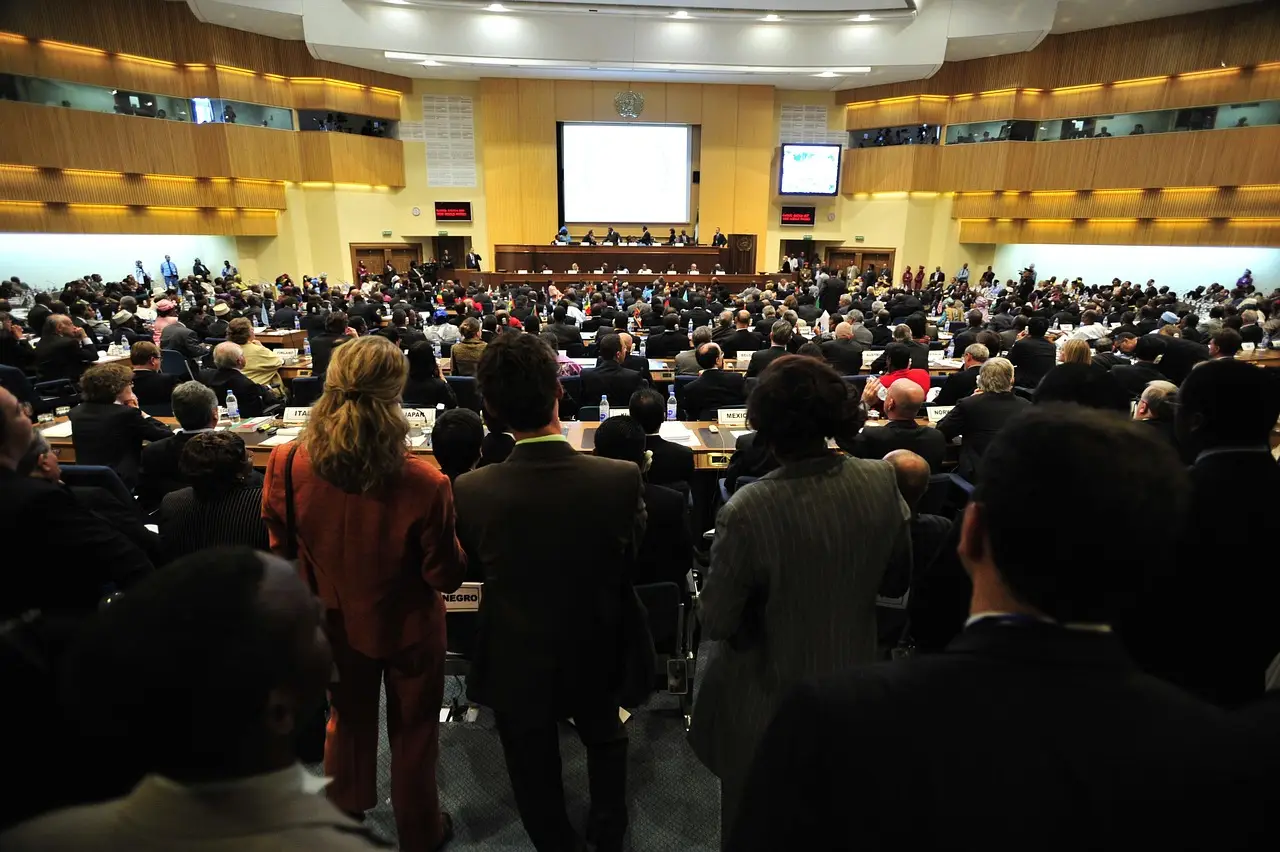
The COP31 climate summit in Antalya, Türkiye, closed without consensus on its proposed overarching political agreement, the Antalya Pact. The failure leaves climate-displaced communities without new commitments on relocation, adaptation finance, or the human rights dimensions of the climate crisis.
The breakdown matters because the Antalya Pact was meant to serve as the summit's umbrella political deal. Without it, the conference's related outcome decisions contain no explicit discussion of displacement and planned relocation. Governments also declined to increase funding aimed at helping frontline communities adapt. And the final texts offered no recognition of the International Court of Justice's landmark advisory opinion, which affirmed that governments carry human rights obligations to address the climate crisis.
For communities already underwater, the gap between the negotiating halls and daily life could hardly be wider.
What did the summit's collapse mean for displaced communities?
The consequences fall hardest on places like Walande in Solomon Islands. Hundreds of communities worldwide have already been forced to relocate because of sea level rise and other climate impacts. After Antalya, they face those consequences largely on their own.
One moment crystallized the stakes. Francis, a community leader from Solomon Islands, traveled to Antalya to address a high-level event. "Walande… the birthplace written in my passport, no longer exists," he told a hushed room. "It is submerged beneath the waves." His words moved the event's moderator to tears.
That testimony stood in sharp relief against the official outcome. Coordinated calls from civil society for explicit treatment of displacement went unanswered in the negotiated decisions.
How did civil society respond inside the summit?
Despite the failure of official negotiations, advocacy continued on the summit's margins. The Coalition on Dignified Climate Relocation brought frontline leaders, policymakers, and funders together to exchange lessons and press for two things: rights-respecting national relocation policies and increased funding for communities forced to move.
One tool proved unusually persuasive. After watching Solwata, an immersive documentary about climate displacement produced with partners in the coalition, several government officials and climate fund directors committed to supporting finance and policies for relocating communities.
That is a concrete, if modest, gain. It happened outside the formal negotiating track, through direct engagement rather than text-based bargaining.
Which governments are showing an alternative path?
The Antalya outcome was not the whole story. A group of governments is demonstrating that dignified, rights-respecting solutions already exist and can be scaled up.
- Marshall Islands — frontline state pursuing planned relocation frameworks
- Bangladesh — advancing national approaches to climate displacement
- Fiji — developing models for community-led relocation
- Nepal — addressing climate-driven displacement in mountain regions
These governments, described by advocates as forward-thinking, show that national policy can move even when multilateral consensus stalls.
What should COP32 do differently?
Ethiopia will host COP32. Advocates argue it should learn from what they describe as failures by Australia and Türkiye, the COP31 hosts, and center two priorities: finance for adaptation and finance for loss and damage (the UN framework term for money covering irreversible climate harms already occurring).
Both funding streams are vital, advocates say, to protect the rights of climate-displaced communities.
The assessment from civil society observers leaving Antalya was blunt: the UN policy process failed to meet the moment. Official negotiations fell woefully short of what frontline communities asked for — explicit recognition of displacement, more adaptation money, and acknowledgment of the ICJ's climate opinion.
Yet the summit retains value as a space for global solidarity. The side events, the coalition's convenings, and the commitments secured after the Solwata screenings all happened within the COP's orbit.
The road ahead
The core lesson of Antalya is a split verdict. Multilateral negotiation produced no umbrella agreement, no new displacement language, and no added adaptation finance. Coalition-building outside the negotiating rooms produced real commitments from officials and fund directors.
Communities like Walande cannot wait for a perfect process. The challenge for Ethiopia and for COP32 is to convert the political energy generated in Antalya's corridors into negotiated text — and into money that reaches coastlines already going under.
The ICJ's opinion affirming governmental human rights obligations on climate remains on the table, unacknowledged by COP31. Whether COP32 picks it up will be an early test of whether the process can still meet the moment.
via hrw.org (Source)
More from Sophie Lindqvist
Show full bio
News editor covering people, launches and day-to-day practice in International law and legal practice at Global Law Wire.
382 articles
Also before the court
- COP31 Ends Without Antalya Pact, Leaving Climate-Displaced Communities Unaided
- Cop31 Talks Stall as 130 Countries Weigh Showdown With Saudi Arabia
- Indigenous Leaders Press UN for Tools to Enforce Climate Court Rulings
- COP31 Collapses in Antalya as EU Walks Out Over Fossil Fuel Language
- Landmark Court Ruling Looms Over U.S. Absence at COP30