Law report · filed November 22, 2026
Regulation & EnforcementReported case
Cop31 Talks Stall as 130 Countries Weigh Showdown With Saudi Arabia
Cop31 climate talks in Antalya overran into Sunday as 130 states weighed forcing Saudi Arabia to publicly defend its opposition to fossil fuel phase-out language cut from the draft outcome.
By Grace Kim4 min read856 words
Holding
- About 130 countries demand the phrase 'transition away from fossil fuels' in the Cop31 final outcome.
- Talks overran the Friday deadline in Antalya, Turkey, with quorum under the UNFCCC now at risk.
- The fossil fuel reference was cut from a revised draft published on Thursday.
- Cop28 in Dubai agreed the phase-out wording in 2023; Cop30 in Brazil pledged a global roadmap.
- A 35% global electrification target for 2035 and CCS recommendations remain contested.
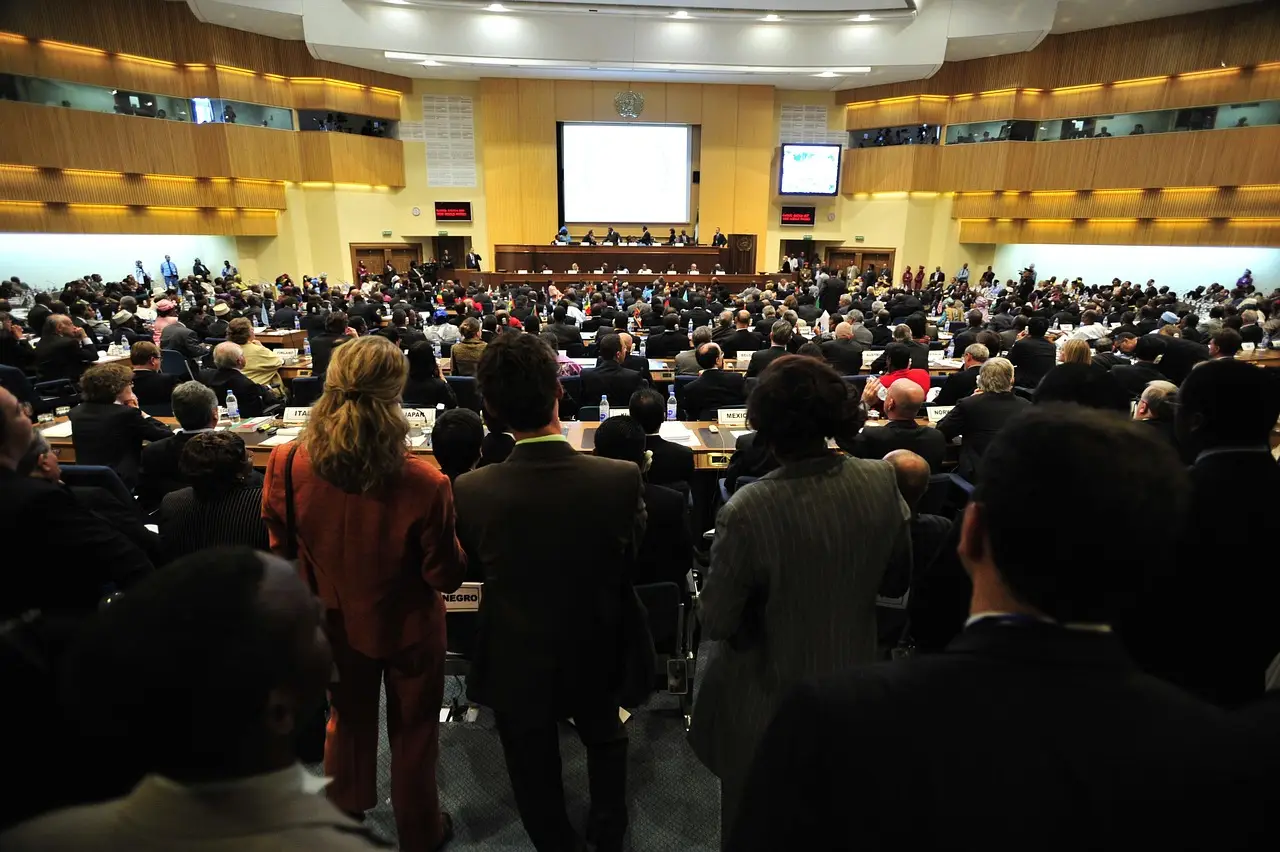
Climate negotiations in Antalya, Turkey, collapsed into a standoff on Saturday night as a coalition of about 130 countries debated forcing a public showdown with Saudi Arabia over the phase-out of fossil fuels.
The Cop31 UN climate summit, co-chaired by Australia and Turkey, ran past its Friday evening deadline with no agreed outcome. The joint presidencies held meetings with scores of countries throughout Saturday, until late evening. Many delegates rescheduled their flights home. If enough leave, the conference may no longer meet the quorum required under the UN Framework Convention on Climate Change.
What are the sticking points?
The core dispute concerns language. A loose coalition of roughly 130 countries insists the final outcome must include a reference to the "transition away from fossil fuels" — wording first agreed at Cop28 in Dubai in 2023. That resolution appeared in a first draft of the agreed outcome from these talks but was excised from a revised draft published on Thursday.
After further talks produced no progress, the EU, the UK, the world's least developed countries, the small island states most vulnerable to the climate crisis, and many African countries marched together to the presidency office on Saturday evening. They demanded reinstatement of the reference.
Developing countries also want stronger rights to funding from wealthy nations to help them adapt to escalating climate impacts. Disagreements extend to carbon capture and storage (CCS) technology and a target to derive 35% of the world's energy from electricity by 2035. Saudi Arabia wants strong CCS recommendations in the final "cover decision"; other countries object, viewing CCS as a way to perpetuate the fossil fuel industry. Some suggested a compromise: downplay CCS and strengthen the push for electrification.
What did negotiators and observers say?
Maina Talia, climate minister for the low-lying Pacific island of Tuvalu, said: "This [inclusion of a reference to fossil fuels] is a red line for us. We're talking about the root cause of all this. [Without it] then we are wasting our time here."
Mohamed Adow, director of the Power Shift Africa thinktank, said: "We came to Antalya needing progress on public climate finance, adaptation and fossil fuels. Instead we are fighting to stop governments retreating from promises they have already made." He added: "Rich countries have spend two weeks finding reasons not to deliver the [financial] support they promised. It feels like this meeting is unravelling."
Miatta Fahnbulleh, the UK's energy minister, struck a more conciliatory tone: "We are working closely with partners to find a way through and secure an agreement that moves us forward. These are difficult negotiations, but discussions remain productive and there is a deal to be done."
Campaigners blamed both fossil fuel interests and unmet finance pledges. Nick Dearden, director of Global Justice Now, said: "This must be the last time we allow fossil fuel interests, which are profiting so handsomely from the climate crisis, to hold us to ransom."
Harjeet Singh, global convener of the Fill the Fund campaign, said: "You can't ask developing countries to transform their economies while they're drowning in disasters and debt. Whatever deal emerges in Antalya, the world should know why this Cop failed. It wasn't a lack of solutions, it was a lack of money and a lack of will from those who caused this crisis."
Could a showdown break the deadlock?
One option under active consideration on Saturday night, according to the Guardian, is to force an open meeting at which Saudi Arabia and any allies would have to publicly state their opposition to the stronger outcome most other countries want. The tactic carries risk: it could collapse the talks entirely.
Bill Hare, chief executive of Climate Analytics and a Cop veteran, assessed the odds: "If the overwhelming number of countries here want a strong text, referencing the transition away from fossil fuels and so on, and Saudi Arabia is on its own, I think Saudi Arabia will probably not stand against the global consensus."
China and India, while not part of the progressive coalition, are reportedly unlikely to stand against a deal.
Why has this Cop struggled?
This is the first Cop with a dual presidency, the product of a compromise last year after both Australia and Turkey bid to host. Claudio Angelo, of the Observatorio do Clima, said the arrangement is part of the problem: "It goes to show how a weak presidency, split between two countries with little tradition in climate diplomacy, can be detrimental to a process already victimised by geopolitics."
The backdrop matters for anyone tracking climate law and policy. At Cop28 in 2023, parties agreed to transition away from fossil fuels; Saudi Arabia and its allies have since blocked progress on implementation. Brazil's Cop30 presidency worked around the blockage last year by pledging to draft a global roadmap on the phase-out. The talks, scheduled to end Friday evening, looked likely to continue into Sunday morning.
The takeaway: the fate of the Cop31 outcome now turns on whether 130 countries are willing to risk an open rupture to force one sentence back into the text.
via theguardian.com (Source)
More from Grace Kim
Show full bio
Correspondent covering companies, deals and strategy in International law and legal practice at Global Law Wire.
373 articles
Also before the court
- COP31 Collapses in Antalya as EU Walks Out Over Fossil Fuel Language
- Cop31 Talks Drag Into Overtime as Second Draft Strips Climate Pledges
- COP31 talks enter final two days with adaptation pledges at $50m
- UN General Assembly Endorses ICJ Climate Opinion in 141-8 Vote
- Cop31 Draft Text Tables Fossil Fuel Rift With Four Days Left