Law report · filed November 24, 2026
Trade LawReported case
Brussels Slams Tariff-Free Quota on Chinese Hybrids From December 1
From 1 December, a 200-day WTO safeguard caps tariff-free Chinese hybrid imports at about 191,000 units, with quotas also hitting Japan, Turkey, South Korea and the UK.
By Amara Osei4 min read707 words
Holding
- The EU imposes tariff-free quota of roughly 191,000 Chinese hybrids over 200 days from 1 December; 350,000 annualised.
- First-year quotas: 310,000 for Japan, 230,000 for Turkey, 105,000 for South Korea, 190,000 for the UK.
- Chinese EV imports to the EU rose from 21,000 units in 2020 to 438,000 in 2024; global Chinese hybrid exports hit 1.124 million in 2025.
- South Korea questioned the investigation's fairness at a WTO goods council meeting; Japan, the UK, Switzerland and Turkey stressed due process.
- A 10% UK EV tariff into China takes effect 1 January under the 2020 Brexit deal.
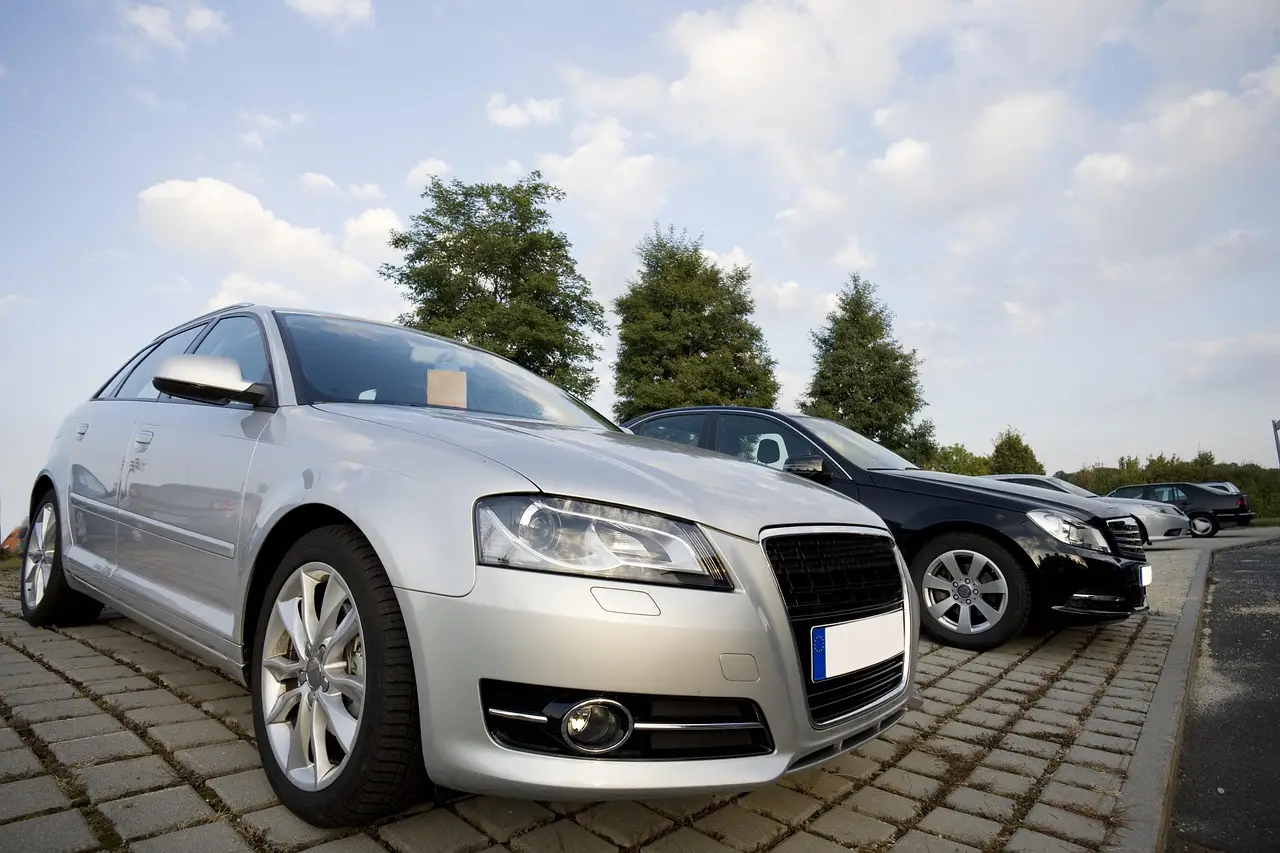
The European Commission will cap tariff-free imports of Chinese hybrid vehicles at approximately 191,000 units over 200 days from 1 December, under a temporary quota published in the official journal on Tuesday. The measure stems from a World Trade Organization safeguard investigation into plug-in and battery-powered hybrid imports, and it extends, by legal necessity, to every major hybrid exporter selling into the bloc.
The annualised ceiling for China is 350,000 vehicles in the first year. The quota amounts to roughly half of the Chinese hybrid volume the EU expects over the coming twelve months. First-year allocations run at 310,000 for Japan, 230,000 for Turkey, 105,000 for South Korea and 190,000 for the UK. The UK exported 166,000 hybrids to the EU last year.
What did the official journal actually say?
The journal grounded the measure in the sector's sensitivity, citing "its strategic importance to the union economy in terms of innovation, electrification and employment". It also pointed to "sufficient evidence showing that imports of hybrids threaten to cause serious injury to the union industry".
Safeguard measures under WTO rules cannot discriminate between major exporters. Hence the caps also catch Mexico, Morocco, Serbia and the United States, though the limits bite hardest on China. That is the design, dressed as even-handedness.
Why act now, on hybrids?
The numbers explain the urgency. Chinese EV imports into the EU climbed from 21,000 units in 2020 to 438,000 in 2024, the year tariffs arrived. After the tariffs, the journal said, imports of EVs began to "flatten out" and a "clear shift" followed from EVs to hybrids out of China. Worldwide hybrid exports from China jumped from 191,000 vehicles in 2023 to 1.124 million in 2025.
The Commission also framed the stakes beyond European producers. Imports from China, it said, came not just at the expense of EU production but were eating into the market shares of other exporters such as Japan and South Korea. Brussels is, after all, attempting to cut its large trade deficit with China. The investigation runs alongside the October agreement with Beijing that produced a rise in exports to the bloc.
How have trading partners responded?
Not with applause. At a WTO goods council meeting last week, South Korea questioned whether the investigation was fair and transparent. Japan, the UK, Switzerland and Turkey stressed transparency and due process. Industry reports add that non-EU countries, including the UK, have queried the quota allocations.
China's commerce ministry said it hoped the EU would abide by the consensus the two sides had reached, and it reserved all rights to firmly safeguard the legitimate interests of Chinese industries. Reserved rights, in trade diplomacy, usually precede filings.
What does this mean for practitioners?
For customs and trade counsel, the operative date is 1 December and the operative window is 200 days, with the quota framed as a temporary safeguard pending the investigation's conclusion. Clients shipping hybrids into the EU should model their volumes against the country allocations now, because anything above the quota attracts tariff treatment. Those advising non-EU exporters, particularly Seoul, Tokyo, Ankara and London, should expect disputes over transparency and due process to move from council speeches to formal challenge. The measure's WTO character, not its target, is what makes it contestable.
One consequence is doctrinal: safeguard rules force Brussels to burden allies as the price of restraining Beijing.
A British tail to the tale
The UK fights on two fronts. It is still contesting the 10% tariff on all EV exports to China due to take effect on 1 January under the 2020 Brexit trade and cooperation deal. That fight now links to Greater Manchester mayor Andy Burnham's campaign for the UK to be classified as a European manufacturer under the EU's still-to-be-finalised "Made in Europe" scheme, which protects against cheap Chinese imports. The EU quota, meanwhile, sits at 190,000 units for a country that shipped 166,000 last year. Headroom exists. Whether it lasts is another matter.
The takeaway: from 1 December, tariff-free hybrid access to the EU becomes a rationed commodity, and the ration is tightest for China.
via theguardian.com (Source)
More from Amara Osei
Show full bio
Senior reporter covering people, launches and day-to-day practice in International law and legal practice at Global Law Wire.
382 articles
Also before the court
- UK Car Industry to Demand Two-Year Delay to Brexit EV Tariffs
- WTO Panel Rules Against Turkey's 40% Tariff on Chinese Electric Vehicles
- China Escalates WTO Challenge to India's EV Subsidy Regime
- Irish Presidency Offers UK Route Into EU 'Made in Europe' Without Tariff Alignment
- WTO Panel Faults US in China Clean Energy Subsidies Dispute