Law report · filed November 24, 2026
Trade LawReported case
Trump Administration Prepares Tariffs for 16 Trading Partners
The U.S. may propose tariffs on imports from 16 partners, stacking new duties on existing levies. Rates remain unannounced, and public comment under Section 301 must precede action.
By Marcus Bennett3 min read686 words
Holding
- USTR plans to announce country-specific proposals Tuesday night for 16 economies.
- Potential rates could run from 15% to 25%, atop separate 10% or 12.5% tariffs.
- Trade deals cap duties at 15% for the EU, Japan and South Korea and 19% for Malaysia.
- A Reuters/Ipsos poll found 62% support for repealing tariffs after November’s midterms.
- Section 301 requires public comment before proposed rates could take effect.
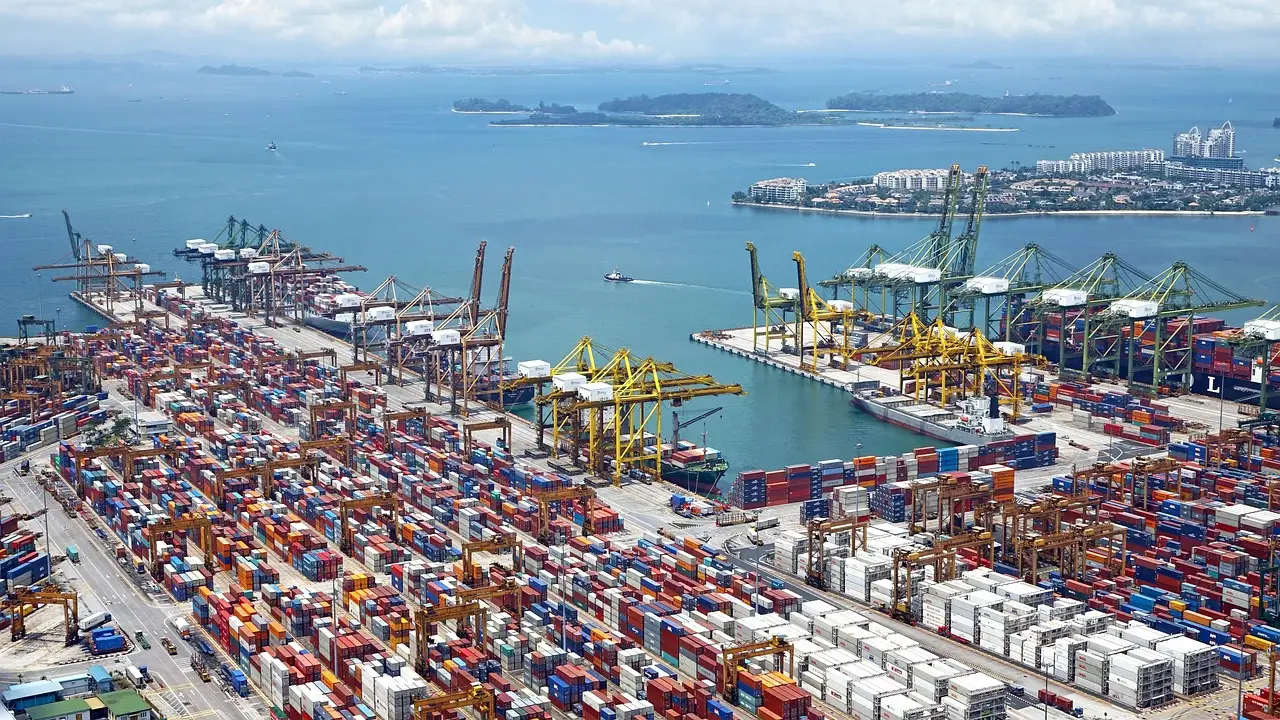
The Trump administration is preparing tariffs on imports from 16 trading partners. U.S. Trade Representative Jamieson Greer is expected to announce the proposals Tuesday night. His report will examine excess manufacturing capacity across the 16 economies. The duties would stack on tariffs already paid by U.S. importers.
POLITICO reported the planned announcement, citing one person with knowledge of the planning. Three other people briefed on the probe said the findings were being finalized. Reuters, citing three people familiar with the matter, said the proposed duties would build on tariffs already imposed during President Donald Trump’s second term.
The White House and the trade representative’s office did not respond to Reuters’ questions.
What rates could the administration propose?
The administration has not announced rates. Bloomberg Government reported that the administration would tailor duties to each economy rather than impose one blanket rate. The proposed rates would not exceed caps in trade deals President Trump negotiated, according to the report.
Those deals cap duties at 15% on goods from the European Union, Japan and South Korea, and at 19% on goods from Malaysia, Reuters reported. The 20% cap on second-term tariffs on Chinese goods would remain if the trade truce expiring January 10 receives an extension.
Ryan Majerus, a former senior Commerce Department trade official now at King & Spalding, told Reuters that the administration could propose rates of 15% to 25% on imports from countries found to have excess capacity. Goods from Mexico and Norway are unlikely to face immediate levies, one person familiar with the matter told Reuters.
Majerus said those levies would stack on existing 10% or 12.5% tariffs imposed under a separate investigation into lax enforcement of anti-forced-labor laws. He also said the administration could instead set lower rates that rise over time unless countries cut excess production.
Which economies are under review?
The trade representative’s office opened the investigation in March under Section 301 of the Trade Act of 1974. The provision permits tariffs in response to unfair trade practices. The 16 economies under investigation are:
- China
- India
- Japan
- South Korea
- Mexico
- Vietnam
- Taiwan
- Thailand
- Malaysia
- Indonesia
- Switzerland
- Norway
- Singapore
- Bangladesh
- Cambodia
- European Union
The administration called China the largest source of excess capacity. It said Chinese exports flood global markets with steel, aluminum, electric vehicles, appliances and solar products. China rejected the accusations. It said its exports reflect competitive advantages.
When could the tariffs take effect?
Section 301 requires the trade representative to seek public comment before acting. No newly proposed rates could take effect immediately. On Bloomberg Television on Friday, Greer said the investigation would wrap up “very soon” and “certainly” before January, according to Inside U.S. Trade.
The new duties would partly replace global tariffs that the U.S. Supreme Court struck down in February. Reuters reported that the administration’s tariffs have contributed in part to higher prices for consumer goods in the United States.
A Reuters/Ipsos poll after November’s midterm elections found that 62% of respondents supported efforts to repeal the tariffs.
What does the proposal mean for practitioners?
For importers, trade counsel and logistics teams, the key exposure is the combined duty, not the headline country rate. A new levy would sit on second-term tariffs and, where applicable, separate 10% or 12.5% duties. Public comment means no new duty takes effect immediately, but companies must wait for country-specific rates before assessing landed costs and compliance obligations.
How did markets react?
Stocks fell at Tuesday’s opening as investors weighed the tariff reports. Shortly after the bell, the S&P 500 was down 1%, the Dow 1.4% and the Nasdaq Composite 1.7%, Seeking Alpha reported.
By the close, the Dow had rebounded 423.39 points, or 0.85%, to 50,018.70. The S&P 500 fell 0.5% to 7,201.09, while the Nasdaq dropped 1.48% to 23,733.54, CNBC reported.
The Associated Press reported that artificial intelligence stocks led the declines as Monday’s surge fizzled. The S&P 500 recorded its eighth loss in nine sessions.
via conservativedailynews.com (Source)
More from Marcus Bennett
Show full bio
Market editor covering regulation, policy and their impact on International law and legal practice at Global Law Wire.
374 articles
Also before the court
- Trump Proposes New Tariffs on 14 Partners, Doubling China Levy to 40%
- U.S. and China Extend Trade Truce, Move on Tariff Cuts
- Supreme Court Strikes IEEPA Tariffs; Trump Pivots to Section 122
- Supreme Court Strikes Down Trump's IEEPA Tariffs in 6-3 Ruling
- Trade Court Rules Trump's 10% Global Tariff Illegal