Law report No. GLW-4426 · filed October 2, 2026
Trade LawReported case
WTO Panel Rules Against Turkey's 40% Tariff on Chinese Electric Vehicles
A WTO panel has sided with China against Turkey's 40 percent tariff on electric vehicles, adding to a wave of EV trade litigation now reshaping global commerce.
By Sophie Lindqvist3 min read581 words
Holding
- A WTO panel ruled in favour of China in its challenge to Turkey's 40 percent tariff on electric vehicles.
- China has brought parallel WTO challenges against EV-related trade measures by other partners, including the EU and the US.
- Turkey must now comply, appeal into a paralyzed Appellate Body, or negotiate a settlement with Beijing.
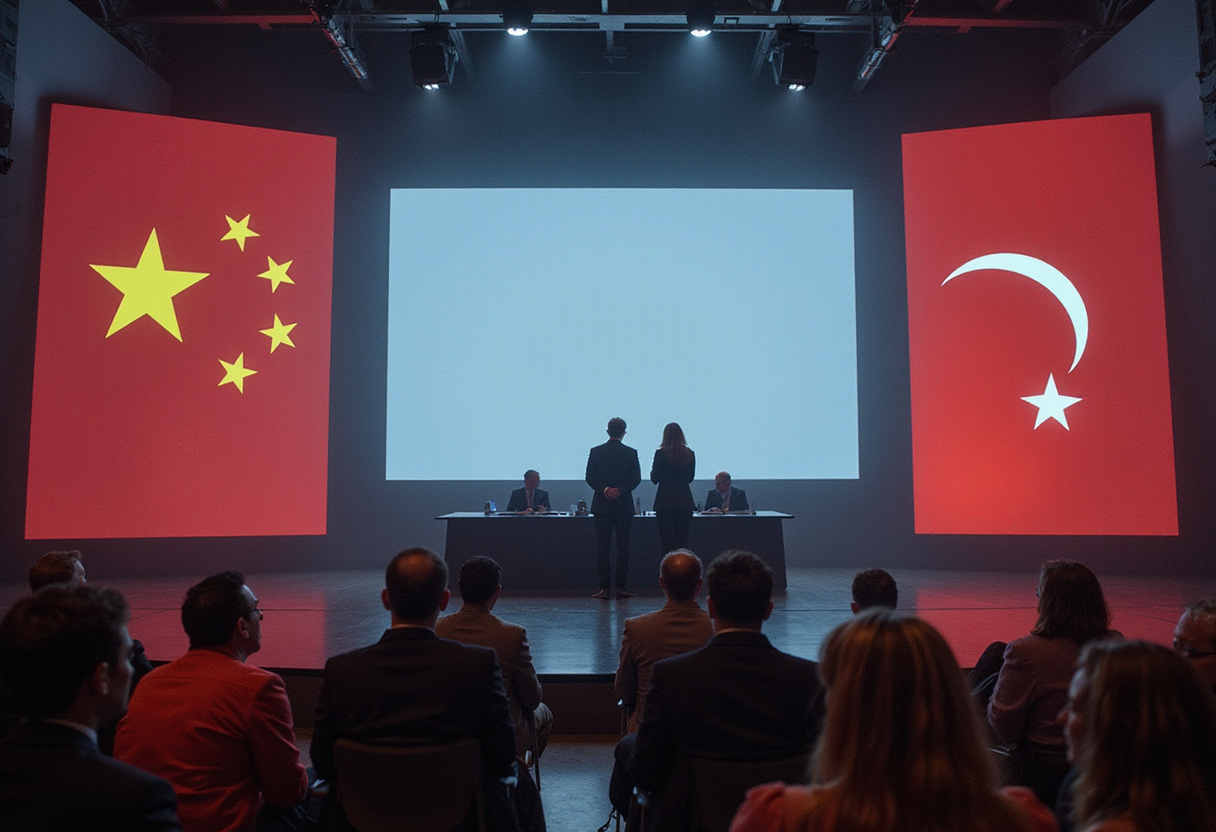
A World Trade Organization panel has ruled in favour of China in a dispute over Turkey's 40 percent tariff on electric vehicles, handing Beijing a win in its challenge to Ankara's trade measures aimed at Chinese EV imports.
The panel report addresses Turkey's additional duty, which raised tariffs on electric vehicles imported from China to 40 percent — a measure Ankara introduced as Chinese manufacturers expanded aggressively into global EV markets. China brought the challenge before the WTO, arguing that the Turkish tariff discriminated against its exports and violated the country's commitments under WTO rules.
The panel's backing of China means the adjudicating body found Turkey's measure inconsistent with its WTO obligations. Under WTO dispute settlement procedure, Turkey will now face the question of how to respond to the ruling: bringing the tariff measure into conformity with its obligations, appealing the findings, or negotiating a settlement with Beijing.
The dispute in context
Turkey imposed the sharply elevated duty on electric vehicles as governments worldwide grappled with a surge of low-cost Chinese EV exports. China has filed parallel challenges at the WTO against similar measures adopted by other trading partners, including the European Union and the United States, making the Turkish case part of a broader pattern of litigation over EV-related trade barriers.
For Turkey, the ruling arrives at a delicate moment. Ankara has sought to balance its trade relationship with Beijing — a major supplier of goods to the Turkish market — against its own ambitions to develop domestic EV manufacturing and protect its automotive industry, a cornerstone of the Turkish economy. The 40 percent tariff formed part of that protective framework.
What comes next
Under WTO rules, a responding member found to have breached its obligations is expected to comply with panel recommendations. The Dispute Settlement Body normally adopts panel reports unless there is a consensus against adoption, at which point the respondent must state its intentions.
However, the WTO's Appellate Body — the body that would hear any appeal — has been paralyzed since 2019 because the United States has blocked appointments to it. If Turkey appeals, the report could sit in legal limbo, a scenario that has recurred in numerous disputes since the appellate deadlock began. That outcome would leave the panel's findings unadopted and unenforceable in practice, though politically the pressure to comply would remain.
Alternatively, Turkey could bring the tariff into line with the ruling, potentially reducing or restructuring the additional duty on Chinese electric vehicles. A negotiated resolution with China — perhaps involving commitments on investment or market access — also remains possible, particularly given Turkish interest in attracting Chinese EV manufacturing investment to its territory.
Practical consequences
For trade practitioners, the panel report adds to the growing body of WTO jurisprudence addressing EV-era trade measures. Exporters and importers of Chinese electric vehicles to Turkey will watch closely for signs of tariff adjustment, while companies structuring supply chains through Turkey should assess how any compliance move by Ankara might affect landed costs. Legal teams advising governments and industry on similar EV measures elsewhere — including the EU's countervailing duties on Chinese EVs, which China has also challenged at the WTO — will parse the panel's reasoning for signals on how future panels may treat national security, industrial policy, and environmental justifications for EV tariffs.
The case underscores that the WTO dispute system, even hobbled at the appellate level, continues to shape the terms of the global contest over electric vehicle trade.
via GN Trade Law (Source)
More from Sophie Lindqvist
Show full bio
News editor covering industry trends and analytics at Global Law Wire.
201 articles