Law report No. GLW-3249 · filed October 10, 2026
Criminal JusticeReported case
Australia's most-decorated soldier contests war crime charges
BBC reports Australia's most-decorated soldier vows to fight war crime charges tied to Afghanistan service, testing Australia's civilian jurisdiction under the Commonwealth Criminal Code.
By Amara Osei3 min read666 words
Holding
- BBC reported Australia's most-decorated soldier has vowed to fight war crime charges tied to his Afghanistan service
- The Office of the Special Investigator was established in 2022 to lead civilian probes of alleged offences by defence personnel
- The underlying inquiry examined allegations against Special Air Service Regiment members deployed to Afghanistan between 2005 and 2016
- War crimes prosecutions in Australia proceed under Division 268 of the Commonwealth Criminal Code, which carries a maximum penalty of life imprisonment
- The International Criminal Court holds complementary jurisdiction over war crimes where national authorities are unwilling or unable to prosecute
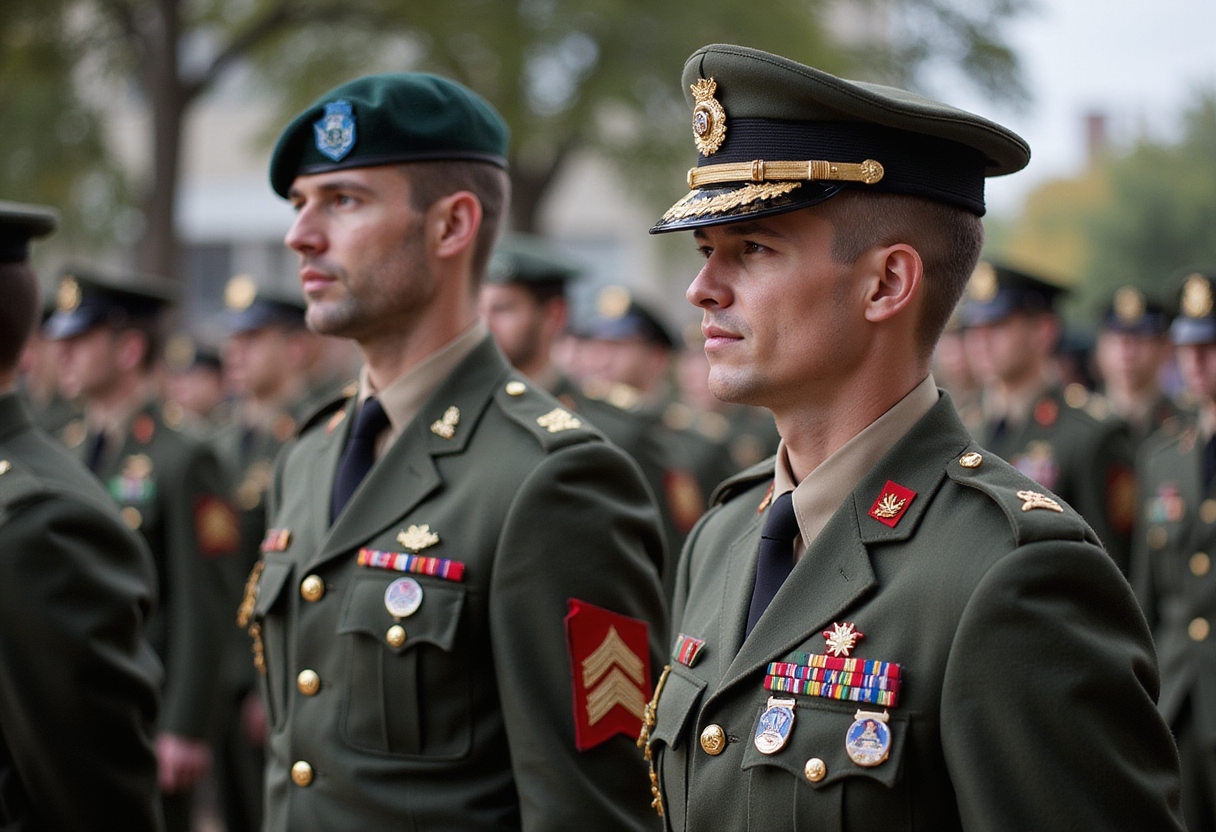
The BBC has reported that Australia's most-decorated soldier has vowed to fight war crime charges tied to his service in Afghanistan. The case will test Australia's civilian prosecution framework for alleged offences by defence personnel deployed overseas.
The BBC's headline captured the stance: "Australia's most-decorated soldier vows to fight war crime charges." Specific charge counts, court dates, and case references were not detailed in the reporting made available.
What is the legal framework?
Australia prosecutes war crimes under the Commonwealth Criminal Code, which incorporated the Geneva Conventions and their Additional Protocols into domestic law at the start of the century. The Office of the Special Investigator (OSI), a civilian-led body within the Attorney-General's portfolio, conducts the underlying investigations.
The OSI was created following an independent inquiry that examined allegations against members of the Special Air Service Regiment (SAS) and other units deployed to Afghanistan between 2005 and 2016.
Which charges typically apply?
War crimes prosecutions in Australia proceed under Division 268 of the Commonwealth Criminal Code. The provision covers grave breaches of the Geneva Conventions: wilful killing, torture, and outrages upon personal dignity.
A conviction for a grave breach carries a maximum penalty of life imprisonment. Sentencing courts set non-parole periods based on the individual circumstances of each offender.
Where will the case proceed?
Commonwealth offences of this seriousness are typically heard in state and territory Supreme Courts, or in the Federal Court of Australia. The court registry depends on where the matter is first listed.
Defence Force members may be tried in the jurisdiction where the alleged conduct occurred, where they were based, or where they reside. The accused's home base in Western Australia is one likely venue, though transfer applications remain possible.
What does "vows to fight" mean in practice?
The phrase signals a not-guilty plea and a contested trial. The prosecution must prove every element of each charge beyond reasonable doubt.
Defence strategy will likely focus on:
- Reliability of witness testimony from Afghan nationals
- Handling of evidence by military investigators
- The temporal gap between alleged events and prosecution
- Chain of custody for documentary and forensic material
How does classification affect proceedings?
War crimes prosecutions frequently engage national security sensitivities. The National Security Information (Criminal and Civil Proceedings) Act governs how restricted information enters court evidence.
Judges may issue non-publication orders, hold closed hearings for classified material, and restrict cross-examination of intelligence witnesses. These protections can shape trial length and defence access to evidence.
What practical impact does the case carry?
For practitioners, the matter raises recurring questions:
- Defence funding: Legal aid is available for serious Commonwealth charges where the accused cannot afford representation
- Expert evidence: The defence may require military historians, cultural specialists, and forensic experts
- Jury directions: Trials involving security classifications require careful judicial direction
- Disclosure: The prosecution owes a common-law duty to disclose exculpatory material
What role does military decoration play?
Decorations do not affect criminal liability. Australian courts treat decorated and non-decorated personnel identically under the Criminal Code.
The accused's public profile may, however, affect media coverage, jury composition, and any victim impact statements tendered at sentence.
What comes next?
The matter will progress through standard criminal procedure: mention hearings, committal or its Commonwealth equivalent, and a trial listing. The Commonwealth Director of Public Prosecutions must establish each element of the charged offence.
Defence counsel will seek the full prosecution brief before any plea is entered. The brief includes witness statements, forensic reports, and any exculpatory material the prosecution is obliged to disclose.
How is Australia's case viewed internationally?
Australia is a state party to the Rome Statute and reports to the United Nations on implementation of international humanitarian law obligations. The International Criminal Court holds complementary jurisdiction over war crimes where national authorities are unwilling or unable to prosecute.
The outcome of this prosecution will inform ongoing OSI investigations and may shape Australia's standing within the international humanitarian law community.
via GN War Crimes (Source)
More from Amara Osei
Show full bio
Senior reporter covering industry trends and analytics at Global Law Wire.
186 articles
Also before the court
- Australia Charges Ex-Soldier With Five Afghanistan War-Crime Murders
- Australia's 'Most Decorated' Soldier Charged with Five War Crimes
- Australian Ex-Soldier to Face War Crimes Trial, NPR Reports
- Ben Roberts-Smith Arrest: A Cautious Step Toward Trial
- Legal Scholars Warn of Hurdles in Australia's War Crimes Prosecutions