Law report No. GLW-9955 · filed October 10, 2026
Criminal JusticeReported case
Australia Charges Ex-Soldier With Five Afghanistan War-Crime Murders
Commonwealth prosecutors have charged a former Australian soldier with five counts of murder for alleged war crimes in Afghanistan, filed under Division 268 of the Criminal Code Act 1995.
By Sophie Lindqvist2 min read492 words
Holding
- Former Australian soldier faces five counts of murder for alleged war crimes in Afghanistan
- Charges filed under Division 268 of the Criminal Code Act 1995 (Cth), maximum penalty life imprisonment under s 268.8
- Commonwealth DPP prosecutes; venue expected to be a State or Territory Supreme Court
- Office of the Special Investigator (OSI) established in 2022 to examine alleged unlawful conduct by ADF members in Afghanistan
- NPR's report did not name the defendant, the charging date, or the court registry
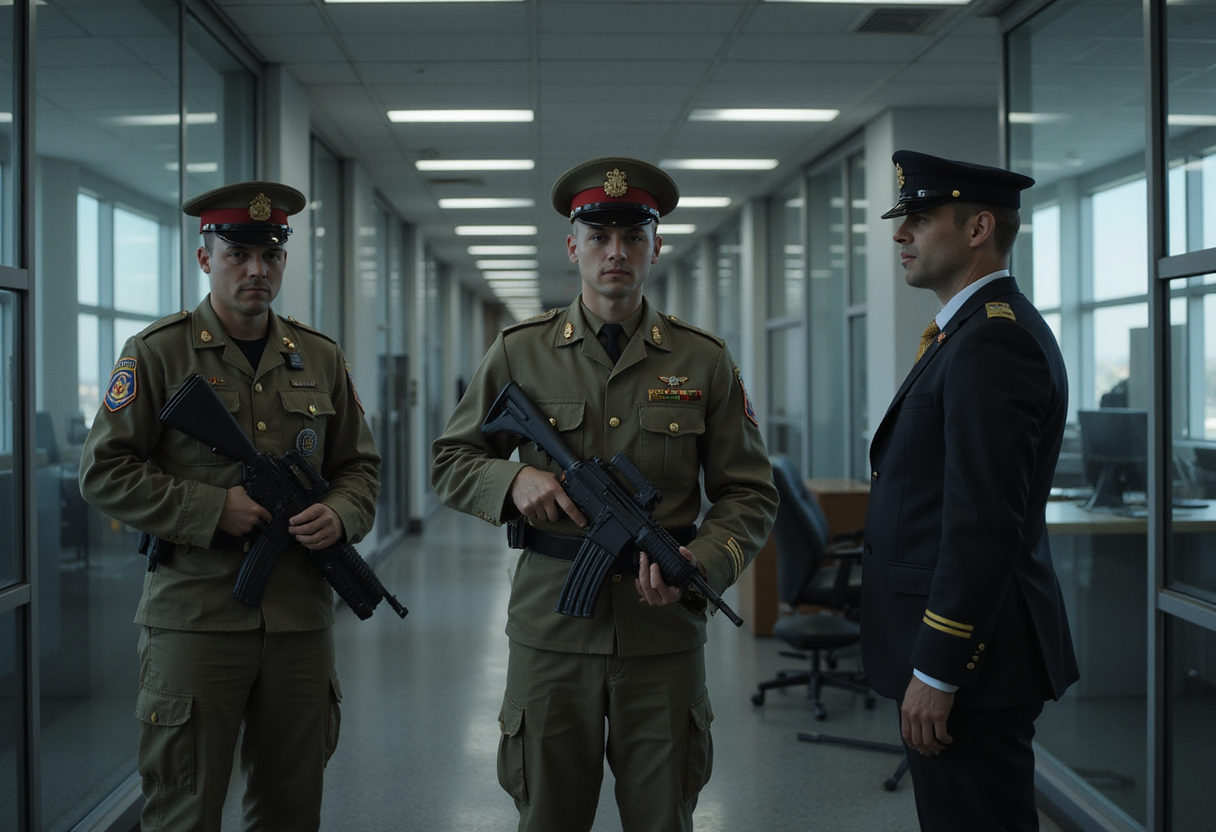
Australia's Commonwealth prosecutors have charged a former soldier with five counts of murder tied to alleged war crimes in Afghanistan, NPR reported.
The accused, described as a former Australian soldier, faces the most serious extraterritorial criminal allegations brought against an Australian Defence Force veteran under the country's war-crimes framework. The charges were filed by Commonwealth prosecutors, according to the report, which did not identify the defendant or specify the registry where the matter was lodged.
What does Australia's war-crimes framework cover?
Australia asserts extraterritorial criminal jurisdiction over war crimes, crimes against humanity, and genocide under Division 268 of the Criminal Code Act 1995 (Cth). The Code applies these offences to Australian citizens and residents regardless of where the conduct occurred. Murder as a war crime carries a maximum penalty of life imprisonment under s 268.8, alongside the standard murder offence under state and territorial law.
The five counts must satisfy both the elements of unlawful killing and an additional war-crimes element linking each killing to an armed conflict. Practitioners expect prosecutors to allege each killing occurred in the context of the conflict in Afghanistan during Australia's deployment under NATO-led operations.
Who investigates and prosecutes these matters?
The Australian Federal Police typically investigates alleged war crimes by Australian personnel overseas. The Office of the Director of Public Prosecutions (Cth) decides whether to file charges and chooses the venue, often a State or Territory Supreme Court sitting as the relevant superior court of record.
Cases involving former ADF members have, in recent years, been handled through the Office of the Special Investigator (OSI), which the government established in 2022 to examine alleged unlawful conduct by Australian special forces in Uruzgan and other provinces. The OSI prepares briefs of evidence for referral to the Commonwealth DPP.
What does the charging decision change?
For practitioners, the filing signals the start of a contested extraterritorial proceeding. Defense teams can expect extensive disclosure obligations covering intelligence materials, operational records, and witness statements gathered in Afghanistan.
The Commonwealth will need to establish both actus reus for each killing and a war-crimes element linking the conduct to an armed conflict. Because the accused is no longer a serving member, military jurisdiction does not apply. The matter will proceed through the civilian superior courts.
What should practitioners watch next?
Key dates to monitor include:
- The first mention hearing in the receiving court
- Any committal or streamlined filing decisions
- Bail applications in the extraterritorial context
Defense applications are likely to test:
- Admissibility of statements obtained from Afghan nationals
- Handling of classified material under the Public Interest Disclosure regime
- Forum and jurisdiction challenges
The Director of Public Prosecutions may publish a statement of facts, as has occurred in prior Commonwealth war-crimes filings.
NPR's report, as transmitted for this item, did not name the defendant, the charging date, or the registry. It also contained no direct quotations from prosecutors, investigators, or counsel.
via GN War Crimes (Source)
More from Sophie Lindqvist
Show full bio
News editor covering industry trends and analytics at Global Law Wire.
201 articles
Also before the court
- Australia's most-decorated soldier contests war crime charges
- Australia's 'Most Decorated' Soldier Charged with Five War Crimes
- Legal Scholars Warn of Hurdles in Australia's War Crimes Prosecutions
- Australian Ex-Soldier to Face War Crimes Trial, NPR Reports
- Australia's First War Crimes Trial in 30 Years Heads to Court