Law report No. GLW-4829 · filed October 10, 2026
Criminal JusticeReported case
Ukrainian in Russian Ranks Faces War Crimes Trial, IWPR Reports
IWPR has reported a war-crimes trial of a Ukrainian national who served with the Russian army. The headline does not specify the court, jurisdiction, charges, or outcome; full details lie in the IWPR report.
By Sophie Lindqvist3 min read555 words
Holding
- IWPR published a headline dated item identifying a war-crimes trial against a Ukrainian national serving with the Russian army.
- The headline does not name the court, jurisdiction, defendant, indictment, hearing date, or verdict.
- Three prosecution tracks may apply: domestic criminal codes, the Rome Statute / ICC framework, or ad hoc / hybrid tribunals.
- A Ukrainian-national defendant in Russian service is comparatively unusual within post-2022 Ukraine-conflict caselaw.
- Practitioners should expect scrutiny of dual nationality evidence and command-responsibility theories in any similar case.
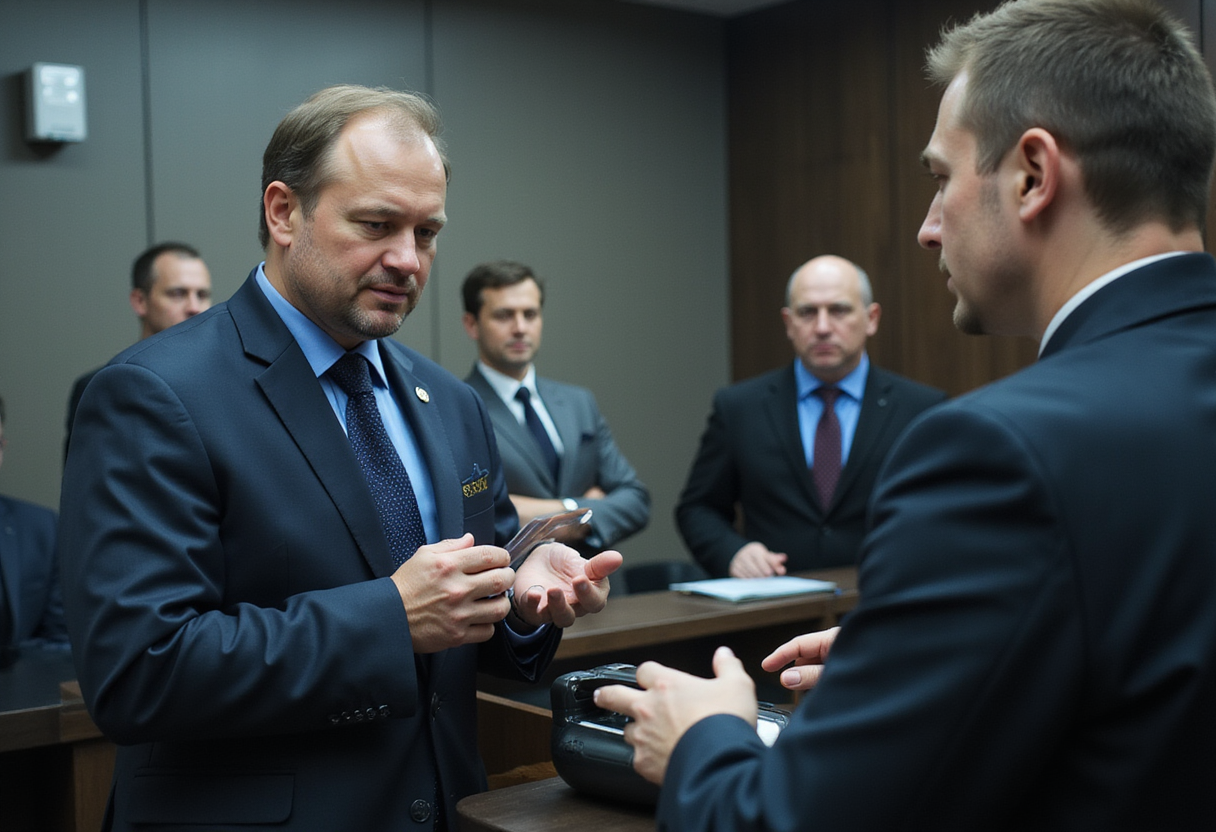
The Institute for War & Peace Reporting (IWPR) has flagged a war-crimes trial in which the defendant is a Ukrainian national serving with the Russian army, according to an item published under that outlet's banner.
The headline-level identification — "War Crimes Trial for Ukrainian Serving with Russian Army" — establishes the basic legal posture: a Ukrainian national allegedly held to account for conduct while serving in Russian ranks is now the subject of a war-crimes proceeding. The headline discloses no court, jurisdiction, named defendant, indictment detail, hearing date, or verdict.
What is the basic procedural posture?
The available reporting characterises the matter as a "trial," which implies that pre-trial phases have concluded and that the case has advanced to evidentiary hearings or judgment. The deciding body is unnamed in the headline. The applicable criminal framework is equally unspecified, and the regional context permits three broad prosecution tracks:
- the domestic criminal codes of states exercising territorial or active-personality jurisdiction;
- the Rome Statute framework administered by the International Criminal Court (ICC); and
- ad hoc or hybrid tribunals operating under bilateral or international mandate.
The headline does not identify which track is in play.
Why does the national-origin framing matter?
War-crimes defendants in the post-2022 caselaw are most often nationals of the side whose forces allegedly committed the acts. A prosecution in which the accused is a Ukrainian who served with Russian armed forces is comparatively unusual. The framing carries legal and policy weight: the defendant's dual status — Ukrainian by nationality, Russian by allegiance at the material time — shapes command-responsibility analysis, victim-status questions, and potential state-to-state surrender disputes.
What does the proceeding change?
The headline records the existence of a trial rather than its outcome. It carries no operative ruling language, no judgment, and no acquittal. Practitioners and observers monitoring the Ukraine accountability workstream should treat the IWPR headline as a procedural marker until the underlying report supplies:
- the identity of the court (domestic, international, or hybrid);
- the precise charges and the Geneva Convention articles, if any, that ground them;
- the procedural stage reached at the time of report; and
- the identity of the accused and the counsel of record.
What happens next?
The full IWPR report, linked from the headline, presumably sets out the prosecution framework and the factual matrix. Specialists in international humanitarian law, extradition, and command responsibility will look for the underlying jurisdictional choice. Custody arrangements and mutual legal assistance treaties often shape which forum hears a case where the alleged conduct occurred in Ukraine but the accused remained in Russian or third-state hands.
Practical consequence for practitioners
Counsel advising on similar matters should expect:
- heightened scrutiny of nationality and citizenship evidence where the accused holds Ukrainian documents but served Russian forces;
- close review of command-responsibility theories, with the accused's rank and reporting lines driving liability exposure;
- forum challenges grounded in the prosecuting state's nexus to the conduct and the location of the alleged acts; and
- coordination with the war-crimes units handling the parallel Ukraine accountability workstream, including ICC-track cooperation under Article 93 of the Rome Statute.
The headline identifies the proceeding but withholds the operative details. Until the IWPR report is reviewed in full, the headline stands as the public's only marker of this particular trial.
via GN War Crimes (Source)
More from Sophie Lindqvist
Show full bio
News editor covering industry trends and analytics at Global Law Wire.
201 articles
Also before the court
- War Crimes Trials in Ukraine: Reporting Limited by Source
- Trump Demands War Crimes Trial Against Iran's Leadership
- CFR Examines Whether Russia Can Face Justice for Ukraine War Crimes
- Slate Labels Starvation Trial 'Landmark' and 'Not What You Think'
- Hashim Thaçi Prosecution Tests Limits of War Crimes Justice