Law report No. GLW-8738 · filed November 12, 2026
ArbitrationReported case
Argentina Threatens Rockhopper CEO with Jail over Falklands Drilling
Itlos heard evidence that Argentina personally threatened Rockhopper's CEO with prison. A ruling on suspending Sea Lion drilling is due on 28 November.
By Grace Kim3 min read675 words
Holding
- Argentina threatened Rockhopper CEO Sam Moody with criminal prosecution in a letter dated 1 September 2026.
- Itlos held two days of hearings this week; a ruling on Argentina's suspension application is expected on 28 November.
- The Sea Lion project is expected to double Falklands GDP with an £8bn revenue uplift.
- Argentina banned partner Navitas from operating in its territory for 20 years.
- The 1982 Falklands war lasted 74 days and killed 649 Argentine and 255 British personnel.
By Grace Kim
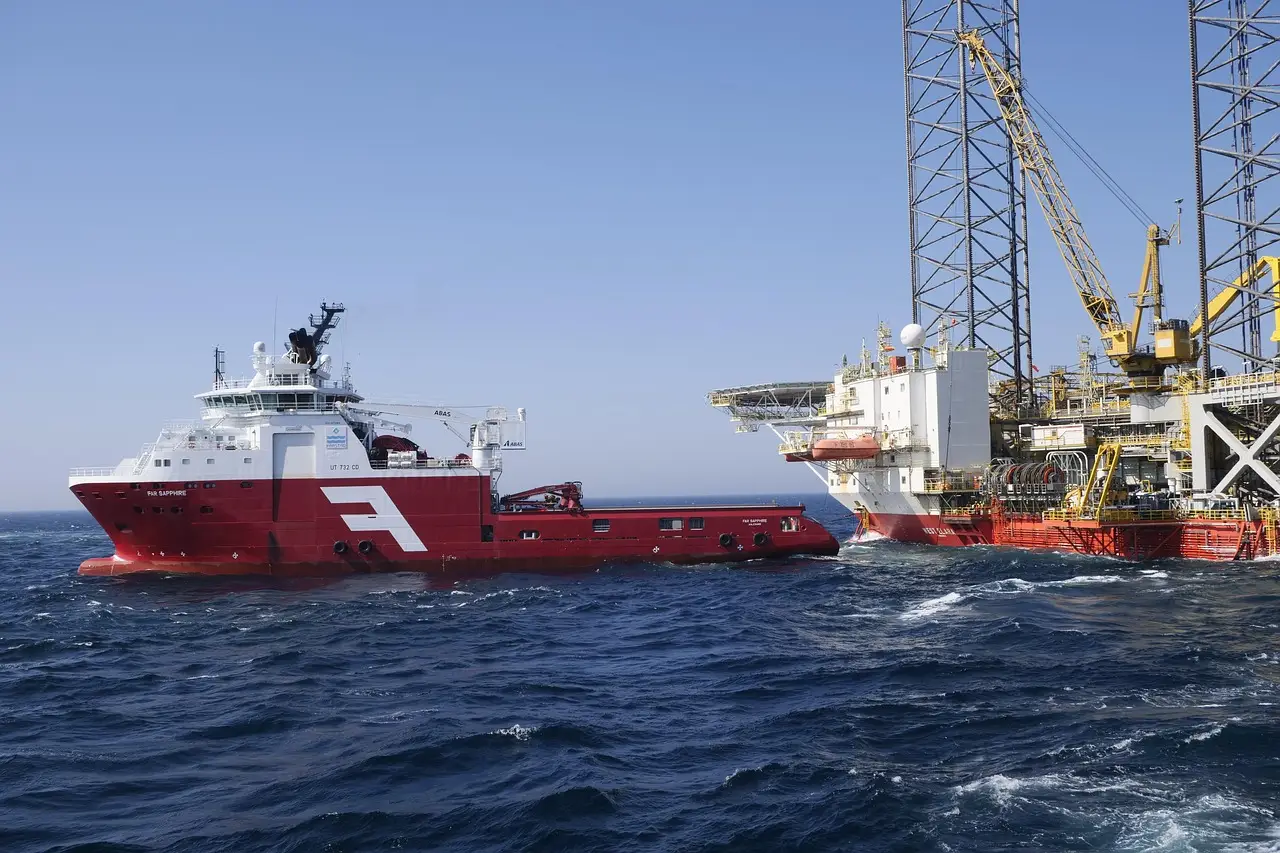
Argentina has threatened the chief executive of Rockhopper Exploration with imprisonment and fines, according to a witness statement filed at the International Tribunal for the Law of the Sea (Itlos) in Hamburg. The tribunal heard two days of hearings this week on Argentina's urgent application to suspend drilling at the Sea Lion offshore oil project north of the Falkland Islands. A ruling is expected on 28 November.
What did the executives disclose?
Sam Moody, Rockhopper's chief executive, said Buenos Aires targeted him personally. "As recently as 1 September 2026, Argentina wrote to me and Rockhopper's chief financial officer personally threatening us with criminal prosecution, imprisonment and fines under its domestic legislation," Moody said in his witness statement, submitted by the UK to Itlos. The sealed document became available for viewing after an application by the Guardian.
Moody told the tribunal he faced personal risk by preparing the statement, having been "repeatedly under threat of criminal prosecution and a custodial sentence in Argentina". The UK submitted the statement as part of its defence of the project, led by Rockhopper, a British firm, and Navitas, an Israeli company.
How has Argentina pressured the project?
Argentina has passed domestic legislation criminalising the Sea Lion project and has taken a series of steps that, according to Moody, made financing the development increasingly difficult:
- Argentina banned Navitas from operating in the country for 20 years.
- Argentine officials wrote to Standard Chartered bank, which has a branch in Port Stanley, urging it to "refrain from participating in oil and gas development in the Falkland Islands to avoid falling within the terms of certain Argentine domestic legislation".
- The partners have withheld the names of contractors in court filings for fear of Argentine retribution. Ian Ramsay, chief executive of Navitas Petroleum Development and Production, said confidentiality was needed "in light of the ongoing scrutiny by Argentine authorities and their ongoing efforts to frustrate the project".
- The US firm Halliburton said it would conduct no work on Sea Lion after discussions with Argentina.
Last month the Guardian revealed that the UK government had written to Interpol seeking reassurance that the agency would not act on any Argentine "red notices" requesting arrests of those deemed criminal by Buenos Aires for involvement in the Falklands economy.
What is Argentina's legal claim?
Argentina argues that Britain's agreement to drilling is illegal because sovereignty over the Falklands is disputed, and it relies on a 1976 UN resolution calling on both countries to settle their rival claims and refrain from unilateral action. Argentina seeks temporary suspension of the project before further arbitration, claiming the drilling is "aggravating" the sovereignty dispute.
The UK responded this week that Itlos lacks jurisdiction and that the 1976 UN resolution is not legally binding. Attorney general for England and Wales Ellie Reeves told the tribunal that suspending the project would be terminal to its prospects, with "devastating consequences" for the islands' people.
What are the economic stakes?
The Sea Lion project is expected to double the Falklands' GDP, delivering an £8bn uplift in revenues to the Falkland Islands government over the oilfield's active lifetime. Jack Ford, chair of the Falkland Islands legislative assembly, told Itlos that the project's collapse would have an impact that was "not just be economic but also social, and felt across the whole of the Falkland Islands".
What is the backdrop?
Argentine president Javier Milei told the UN general assembly in September that reclaiming the Falklands, known in Argentina as the Malvinas, was a national cause and that Buenos Aires was taking "matters into our own hands" through peaceful means. Argentina invaded the islands in 1982; the 74-day war ended in Argentine surrender and cost 649 Argentine military lives, 255 British military lives and three Falkland islanders.
For practitioners, the case tests how far a state may stretch domestic criminal law against foreign executives in a contested maritime dispute. The Itlos ruling on 28 November will signal whether provisional measures can reach commercial actors caught between rival sovereignty claims.
via theguardian.com (Source)
More from Grace Kim
Show full bio
Correspondent covering companies, deals and strategy in International law and legal practice at Global Law Wire.
320 articles
Also before the court
- ITLOS hears urgent Falklands oil dispute in Hamburg
- Argentina Asks Sea Tribunal to Halt Falklands Oil Project
- Argentina Sets Two-Week Clock on UK Over Sea Lion Project
- Argentina Tells Itlos UK Behaves Like 17th-Century Power in Falklands Oil Case
- Argentina Targets UK's Sea Lion Oil Project in UNCLOS Arbitration