Law report No. GLW-7955 · filed November 11, 2026
Courts & TribunalsReported case
ITLOS hears urgent Falklands oil dispute in Hamburg
Argentina asked the Law of the Sea tribunal to suspend Sea Lion drilling, a project that could triple the islands’ GDP per capita, after Britain authorized a March start in the sovereignty dispute.
By Priya Raman4 min read877 words
Holding
- Tuesday: ITLOS held a two-day Hamburg hearing on Argentina’s request for urgent measures against Sea Lion.
- March next year: Britain has authorized drilling to start in the North Falkland basin.
- Sea Lion could triple the islands’ GDP per capita and is led by Navitas and Rockhopper.
- The islands have 3,400 inhabitants; Argentina cites 1,247 island-born residents among its 46 million people.
- The 1982 war killed 649 Argentine military personnel, 255 British personnel and three Falkland Islanders.
By Priya Raman
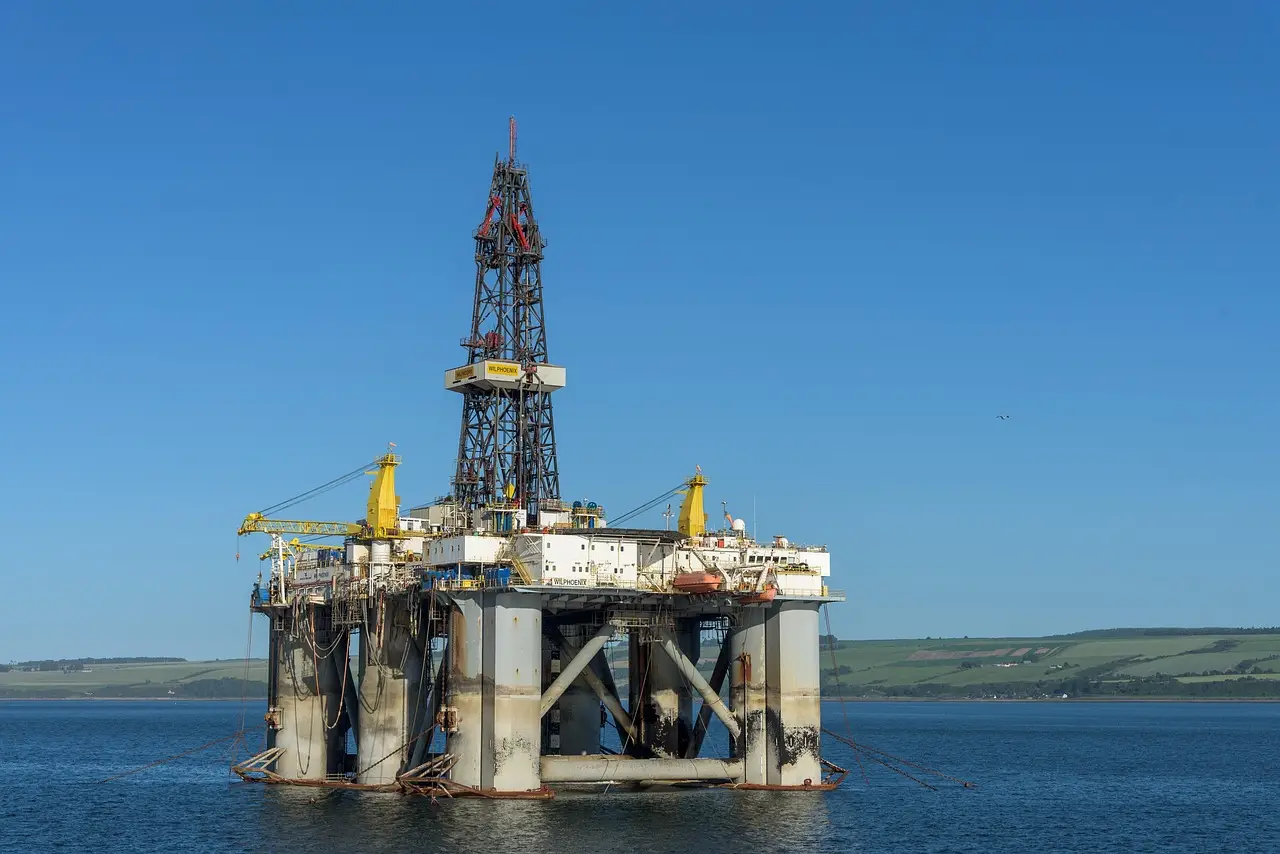
On Tuesday, the International Tribunal for the Law of the Sea (ITLOS) took up Argentina’s request at a two-day hearing in Hamburg for urgent orders to suspend the Sea Lion oil project in the Falkland Islands, whose sovereignty dispute led to war in 1982. No ruling had issued by Tuesday, and the hearing continues.
What is Argentina asking ITLOS to do?
Argentina’s legal team argues that London’s approval for drilling off the islands has sharply aggravated the sovereignty dispute and must be stopped. It characterizes the decision as unilateral conduct by a colonial power.
The North Falkland basin project is led by Israeli firm Navitas with British partner Rockhopper, and Britain has allowed drilling to begin in March next year.
President Javier Milei has condemned Sea Lion as unlawful, and Argentina’s government has sought ITLOS arbitration, alleging that British approval breaches a 1976 United Nations resolution calling on both sides to desist from unilateral action until the sovereignty dispute is settled.
Speaking to panel chair Judge Maurice Kamga of Cameroon, Chief Legal Adviser Javier Oyarzábal said: “The UK cannot have it both ways. It cannot invoke the sovereignty dispute to escape jurisdiction [of Itlos] while exploiting the natural resources of the disputed area as if a dispute had already been resolved in its favour.”
Argentina wants urgent provisional measures, including a UK commitment to stop drilling. Oyarzábal said that step would preserve the existing situation and permit constructive sovereignty talks. He also said Argentina is ready to negotiate every aspect of the islands question, known as the Malvinas in Argentina, including the present aggravation caused by the UK.
Takeaway: Buenos Aires wants drilling stopped before March while the sovereignty case remains unsettled.
Why does Argentina connect oil revenue to sovereignty?
Oyarzábal said Argentina respects the 3,400 islanders’ interests and way of life, as enshrined in the Argentine constitution. He argued that British citizens there have no right to decide which state owns the islands or controls the surrounding resources. Britain administers the islands as an overseas territory, a status Buenos Aires disputes.
He said: “These resources belong to the Argentine people.” He counted Argentina’s 46 million people, including 1,247 residents born on the islands whose interests Argentina says it will consider.
He alleged that London has refused negotiations while advancing exploitation that entrenches the status quo. Oil revenue could also finance the military base and presence sustaining Britain’s de facto control, Oyarzábal claimed.
Takeaway: Argentina ties the project to resource income and the right to govern the islands.
What legal and environmental grounds does Buenos Aires press?
Argentina’s application relies in part on a 1976 United Nations resolution calling both Britain and Argentina to desist from unilateral action on the islands until sovereignty is settled. It also warns that Sea Lion could cause an environmental disaster near Argentina and make a peaceful resolution more difficult, or impossible.
Oyarzábal told the panel that a blowout or spill would bear consequences for Argentina rather than the United Kingdom, a state 12,700 kilometres away. He added that the project lies within the search-and-rescue region for which Argentina is responsible. The tribunal has not tested the environmental claim or the relevance of that regional responsibility.
Takeaway: Buenos Aires treats drilling as potentially unlawful and environmentally urgent.
What history and economic interests sit behind the case?
The dispute led to war in 1982, which killed 649 Argentine military personnel, 255 British military personnel and three Falkland Islanders. Tuesday’s hearing is the first time substantive matters relating to the Falklands have been litigated at an international tribunal.
On the islands, Sea Lion is seen as a route to a stronger economic future and a sovereign wealth fund while fisheries catches decline. The project could triple GDP per capita, though the figure describes potential, not realized revenue.
In a show of solidarity with the islands, Princess Anne arrived in Port Stanley on Monday. UK Attorney General Ellie Reeves attended the ITLOS hearing on Tuesday.
Takeaway: The project carries major economic hopes, but its legal authorization remains contested.
Does Britain accept ITLOS jurisdiction?
Reeves said Argentina was trying to litigate sovereignty through an independent judicial body created by the 1982 United Nations Convention on the Law of the Sea to oversee maritime disputes. She said the tribunal was not the proper forum to determine sovereignty issues effectively.
Asked whether Britain would abide by any ruling, Reeves said the outcome was unknown, repeated the jurisdictional objection and said the government respected the court and its institutions. She declined to predict what the tribunal might say. That leaves two questions open: whether ITLOS has jurisdiction and what provisional measure, if any, follows.
Takeaway: Britain has not answered the compliance question directly.
What should practitioners watch next?
For practitioners, the immediate issue is timing: London has approved a March start, while Buenos Aires seeks an interim stop. Counsel must separate sovereignty merits from provisional relief and monitor environmental-response and search-and-rescue exposure. No jurisdictional ruling, liability finding or judgment timetable has emerged, so the present record does not support assumptions about funding, approval or legal risk.
Takeaway: The next decisive facts are jurisdiction and any order before drilling begins.
via theguardian.com (Source)
More from Priya Raman
Show full bio
Staff writer covering companies, deals and strategy in International law and legal practice at Global Law Wire.
324 articles
Also before the court
- Argentina Tells Itlos UK Behaves Like 17th-Century Power in Falklands Oil Case
- Argentina Sets Two-Week Clock on UK Over Sea Lion Project
- Argentina Asks Sea Tribunal to Halt Falklands Oil Project
- Argentina Targets UK's Sea Lion Oil Project in UNCLOS Arbitration
- Argentina Threatens Rockhopper CEO with Jail over Falklands Drilling