Law report No. GLW-1911 · filed November 13, 2026
Criminal JusticeReported case
US Indictment Names Mohammed Ali al-Hassani as RAF Fairford Handler
A 26-page US DOJ indictment names Mohammed Ali al-Hassani, 35, as the handler behind the RAF Fairford incident and London arson plots directed from a New York jail.
By Sophie Lindqvist4 min read761 words
Holding
- The US DOJ released an updated 26-page indictment on Tuesday naming Mohammed Ali al-Hassani, 35, as the Fairford handler.
- Al-Saadi gave the instruction "Give him money so we can do it" on or about 24 September, as the FBI listened to family calls.
- Six London attacks followed a 6 April video in which Mohajeri said "We need to get focused on London."
- Two Britons were charged under the 2023 National Security Act and are yet to plead.
- PM Andy Burnham told MPs in mid-October the IRGC was "almost certainly" behind Fairford.
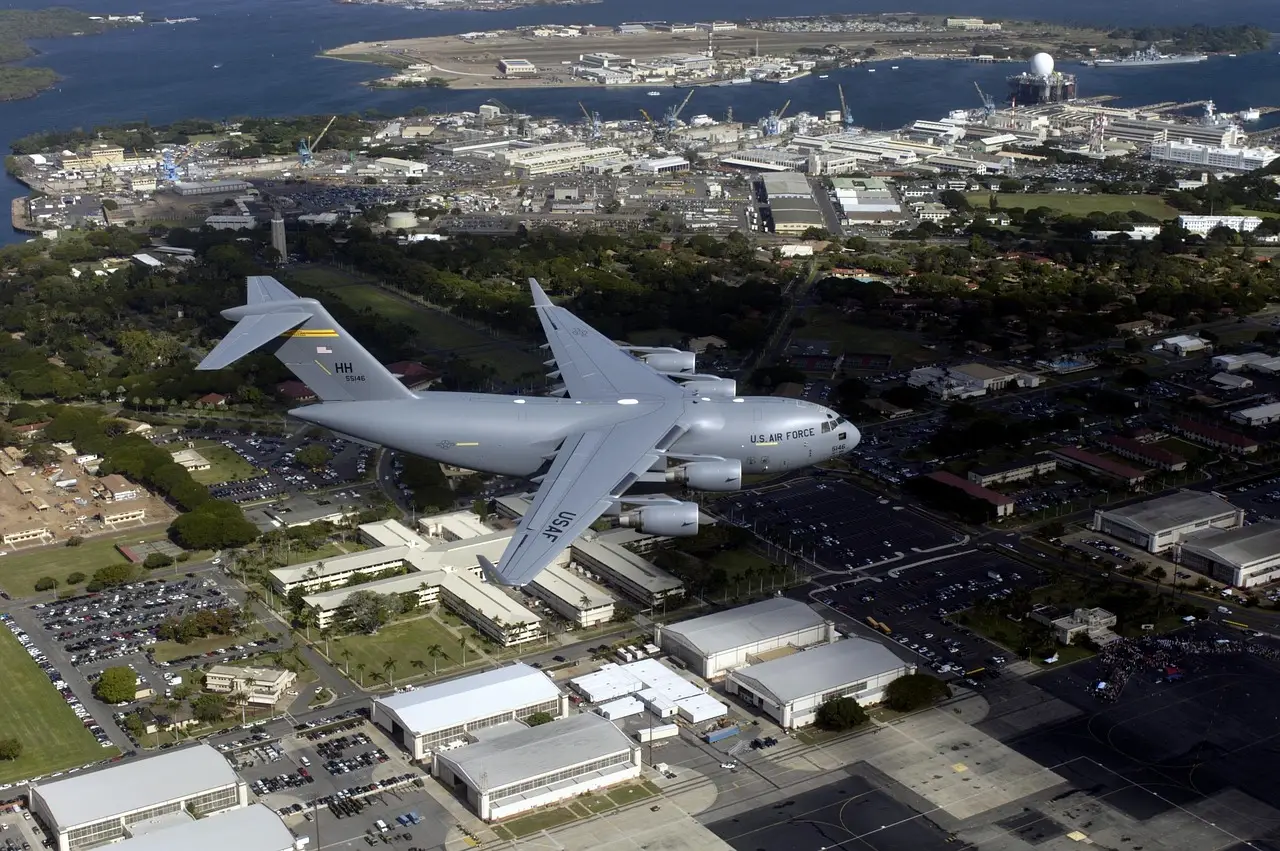
US prosecutors have named Mohammed Ali al-Hassani, a 35-year-old Iraqi who previously lived in Britain, as the handler behind the September incident at RAF Fairford. The disclosure came in an updated 26-page indictment released on Tuesday by the US Department of Justice. It resolves a central mystery in the case: who directed the men in the vans.
The indictment also reveals that Mohammad Baqer Saad Dawood al-Saadi, awaiting trial in a New York jail, kept directing operations from his cell through family phone calls. The US took custody of al-Saadi in May, hoping the terror and arson campaign he allegedly ran would stop. It didn't.
Who are the accused?
Al-Saadi first appeared in a Manhattan courtroom in June. He called himself "a prisoner of war." US prosecutors accuse him of leading a new terror group, Harakat Ashab al-Yamin al-Islamia (Hayi), and of serving as a commander in Kata'ib Hezbollah, an Iraqi militia backed by Iran's Revolutionary Guard Corps (the IRGC, Iran's elite military force answerable to Tehran's leadership).
Turkish authorities arrested al-Saadi in May. Extradition to the US followed within weeks. But two alleged associates — al-Hassani and Mohsen Mohajeri — stayed free, and investigators believe both are now in Iran.
How did the coded calls work?
While in US custody, al-Saadi could still call his family. The FBI listened in. On or about 24 September, he asked after a contact named Ali. Family members said Ali had been transferred to the "International Section." Al-Saadi then gave an instruction: "Give him money so we can do it."
The meaning became clear fast. Within days, according to the US, Ali's efforts produced the incident in a Cotswold village next to RAF Fairford, a British airbase. Last month, Westminster Magistrates' Court heard that the men in the vans had been directed to drive to Fairford by a handler called Ali — and only last night did investigators give him his full name.
What does the indictment allege about the London attacks?
The document traces a low-level campaign by Hayi across London in March and April. In one video obtained by US prosecutors, dated 6 April, Mohajeri tells al-Hassani: "We need to get focused on London" as they study a map of the capital on a laptop. Six attacks in the city followed shortly after.
The most detailed allegation concerns 17 April. That night, a man lit a plastic bag containing bottles of fluid outside a building linked to Jewish Futures, an educational charity in Hendon, north London, then fled. All three suspects are accused of directing him in real time. Recovered video shows the attacker connected by a FaceTime call, its image projected on a large screen bearing the Hayi logo. Al-Hassani allegedly tells the perpetrator to take a lighter and "light one in your hand," "light it" and "throw the fourth one." The string of arson attacks on synagogues and other Jewish community sites was basic in method, but its impact on the community was not.
What have UK authorities said?
Prime Minister Andy Burnham told MPs in mid-October that the IRGC was "almost certainly" behind Fairford. Home Secretary Shabana Mahmood went further: "Our assessment is that it is highly likely to have been co-ordinated by a known individual based in Iran, and almost certainly directed by Iran's IRGC."
A fortnight later, UK police charged two Britons from London. They await trial under the 2023 National Security Act (the UK's main statute criminalising assistance to foreign intelligence services), accused of assisting Iranian intelligence. They are yet to plead.
Why does this matter for practitioners?
The indictment demonstrates the operational reality behind the charges. Al-Hassani and Mohajeri remain at liberty, and US prosecutors say al-Hassani is still using contacts and associates "to carry out terrorist attacks in the UK." In August, he allegedly orchestrated the preparations for the Fairford plot — three months after al-Saadi's arrest. Roger Macmillan, former head of security at Iran International, a London-based TV channel whose staff have faced Tehran-backed threats, puts the risk plainly: "terrorism is not always about massive attacks, it is about instilling fear."
British courts will decide what happened at Fairford. But the US filing shows the wider picture: IRGC-linked individuals remain interested in orchestrating sabotage and terror plots on UK soil, and Britain — which allowed the US to use its airbases during the bombing of Iran — has become a psychological arena in that simmering conflict.
via theguardian.com (Source)
More from Sophie Lindqvist
Show full bio
News editor covering people, launches and day-to-day practice in International law and legal practice at Global Law Wire.
333 articles
Also before the court
- Brooklyn Inmate Charged With Directing RAF Fairford Terror Plot
- New York Indictment Accuses Iran-Backed Trio of Plotting Attack on RAF Fairford
- Manhattan Indictment: Detainee Allegedly Directed Terror Plot From His Cell
- Superseding Indictment Claims Terror Plot Was Run From Brooklyn Jail Cell
- US Indicts Iranian Operative Over Foiled RAF Fairford Bomb Plot