Law report No. GLW-3004 · filed November 11, 2026
Criminal JusticeReported case
US Indicts Iranian Operative Over Foiled RAF Fairford Bomb Plot
SDNY indictment says imprisoned Iranian operative Mohammad Dawood al-Saadi plotted a bomb attack on RAF Fairford via coded family calls, targeting US B-1 bombers.
By Priya Raman5 min read923 words
Holding
- New SDNY indictment charges Mohammad Dawood al-Saadi with plotting a foiled attack on RAF Fairford in September.
- Al-Saadi allegedly planned the plot from custody, using coded family calls to IRGC operative Mohsen Mohajeri and Mohammad Ali al-Hassani.
- Five London men were arrested near RAF Fairford on 27 September after a farmer reported blocked vans.
- Al-Saadi was already charged over 18 terrorist attacks in Europe and an alleged New York synagogue bomb plot.
- The IRGC declared in July that Fairford and other US-used bases were 'legitimate targets'.
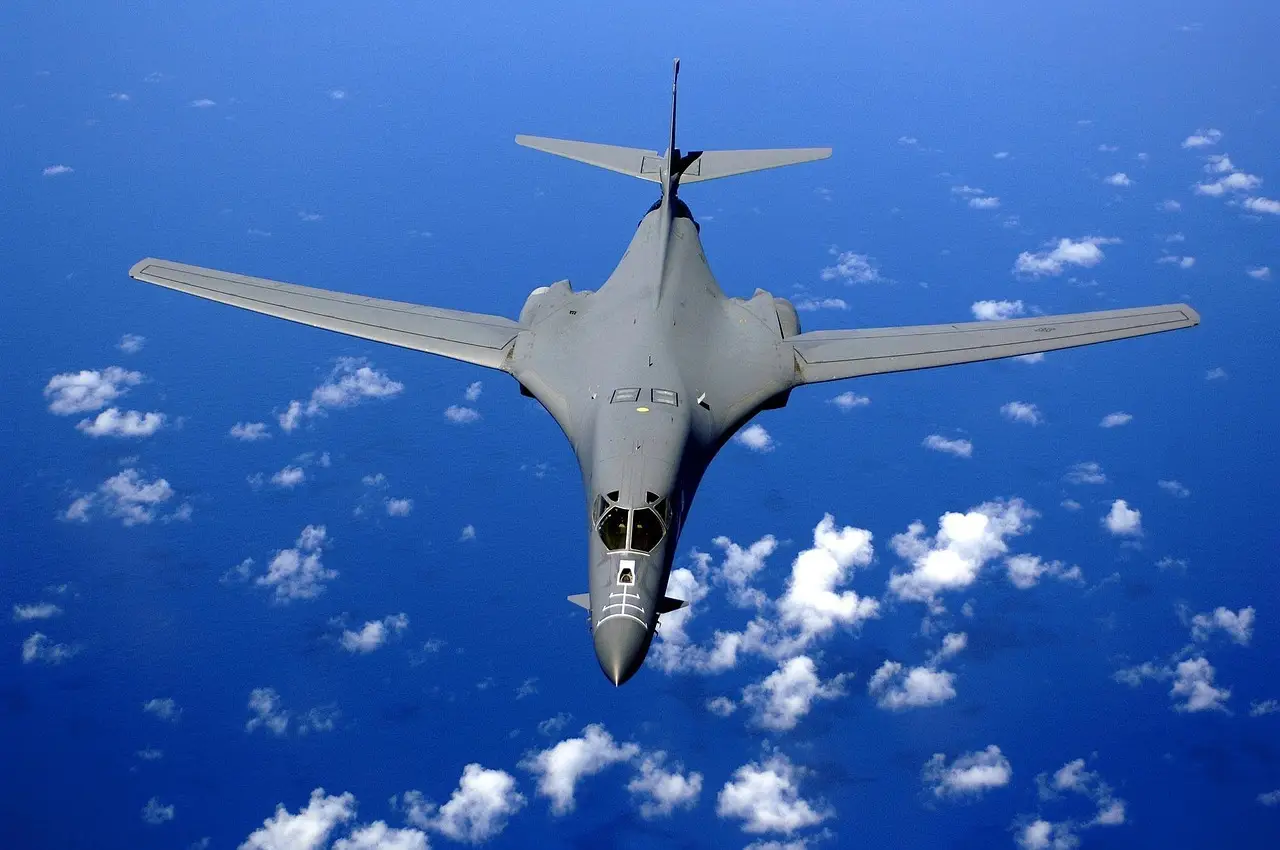
US federal prosecutors in the Southern District of New York have unveiled a new indictment charging an Iranian operative, already imprisoned in New York, with orchestrating a foiled attack on RAF Fairford, the British air base that houses American B-1 bombers and served as the European home for US Air Force bomber operations.
The indictment, announced by the US Attorney for the Southern District of New York, names Mohammad Dawood al-Saadi, a dual Iranian and Iraqi national, as the plot's architect. Prosecutors say he planned the attack while already in federal custody — and then transmitted his instructions to confederates abroad using coded messages in telephone calls to his own family.
The target was real and symbolic. RAF Fairford was used by the United States during its bombing campaign against Iran, and the base became a named object of threat in July, when Iran's Islamic Revolutionary Guard Corps issued a statement calling any base used by the US to attack Iran, including Fairford, a "legitimate target".
Who is charged, and with what?
The indictment alleges a chain of command. Al-Saadi, described as associated with Kata'ib Hezbollah and the IRGC, transmitted his plans through family calls to two men: Mohsen Mohajeri, identified as an IRGC operative, and another Iranian, Mohammad Ali al-Hassani.
Al-Hassani then did not act alone. He tasked others, prosecutors claim, with:
- surveilling RAF Fairford;
- procuring vans and barrels of fuel;
- researching the purchase of chemical accelerants;
- sourcing metallic objects intended for use as shrapnel.
The alleged motive, per the filing, was retribution for the US war in Iran. The intended method involved large quantities of chemicals that could function as explosives.
Al-Saadi was no newcomer to federal charges. According to the Southern District of New York, he had already been charged in connection with 18 terrorist attacks in Europe and for allegedly planning to bomb a synagogue in New York. The new indictment adds the Fairford plot to that ledger.
The word "alleged" carries weight here. Nothing has been proven at trial, and the government's account rests on an indictment — a charging document, not a verdict. Prosecutors quote their evidence selectively at this stage. Defense submissions have not yet been tested in open court.
How did the plot collapse?
The break came, prosaically, from a farmer. Five men from London were arrested on 27 September in the village of Whelford, near RAF Fairford, on suspicion of explosives and terrorism offences. The trigger: a farmer, returning from a party, reported vans blocking a road near the base.
The contrast is stark. A plot allegedly routed through IRGC operatives, coded family phone calls and cross-continental procurement networks ended because a local resident noticed parked vehicles. That detail deserves emphasis. Surveillance of a military installation, fuel barrels, shrapnel research — all met by a road-obstruction report from a village farmer.
What did prosecutors say?
US Attorney Jamie McDonald framed the case in sweeping terms. He said the defendants "helped orchestrate a campaign of terror on behalf of terrorist organizations affiliated with Iran that targeted Jewish communities in Europe and the United States, and the British military base, RAF Fairford, housing American service members".
McDonald did not stop there. "Even after one of their co-conspirators was arrested and placed in federal custody, the defendants allegedly continued coordinating terrorist activity through coded communications and a network of associates overseas," he said.
He added a broader warning: "The threat presented by Iran and Iran-backed terrorist groups to America and our allies is not hypothetical – it is very real."
Note what the statement does not say. McDonald names organizations and targets but offers no casualty estimates, no recovered explosives inventory, and no public accounting of the coded communications themselves. The phrase "very real" is rhetoric; the indictment's details are the testable core.
What does this mean for practitioners?
For terrorism prosecutors, the case confirms a growing doctrine: pre-trial detention does not end operational risk. The government's theory — that a defendant planned an attack from inside federal custody through family phone calls — will invite litigation over monitoring of custodial communications, the sufficiency of coded-message evidence, and the limits of conspiratorial liability where intermediaries, not the defendant, executed tasks abroad. Expect defense challenges to the translation and interpretation of the coded calls, and to whether surveillance and procurement steps by alleged associates satisfy the elements of conspiracy. The UK arrests add a cross-border dimension; parallel proceedings, evidence-sharing under mutual legal assistance arrangements, and potential extradition questions between London and New York will shape the timetable.
For the military and security bar, the IRGC's July statement designating Fairford a "legitimate target" supplies a documented threat baseline that prosecutors will likely cite in future charging decisions.
The open questions
Several gaps remain. The indictment does not state whether the chemical purchases were completed. It does not say whether the five London men arrested in Whelford have been charged, released, or connected formally to al-Saadi's alleged network. It does not disclose how US authorities intercepted or decoded the family calls — a detail that, if surveillance-derived, may face classification disputes at trial.
Each allegation is, for now, an allegation. The government promises a "campaign of terror"; the courtroom will decide what the evidence supports.
The bottom line: a man already in federal custody allegedly ran a bomb plot against a US bomber base in England through coded calls to his family, and a farmer's complaint about blocked vans helped end it.
via theguardian.com (Source)
More from Priya Raman
Show full bio
Staff writer covering companies, deals and strategy in International law and legal practice at Global Law Wire.
324 articles
Also before the court
- Brooklyn Inmate Charged With Directing RAF Fairford Terror Plot
- New York Indictment Accuses Iran-Backed Trio of Plotting Attack on RAF Fairford
- Manhattan Indictment: Detainee Allegedly Directed Terror Plot From His Cell
- US Indictment Names Mohammed Ali al-Hassani as RAF Fairford Handler
- Superseding Indictment Claims Terror Plot Was Run From Brooklyn Jail Cell