Law report No. GLW-7263 · filed September 29, 2026
Courts & TribunalsReported case
UN Chief Marks ICJ's 80th Anniversary: Law Must Prevail Over Force
UN Secretary-General Guterres marked the ICJ's 80th anniversary in The Hague, warning that violations of international law are eroding the system at its core.
By Amara Osei
Holding
- UN Secretary-General António Guterres spoke in The Hague on 17 April to mark the ICJ's 80th anniversary.
- Guterres stressed that ICJ decisions, including provisional measures, are binding obligations under the UN Charter.
- He warned that erosion of international law is occurring 'at the core' of the international system, including by Security Council members.
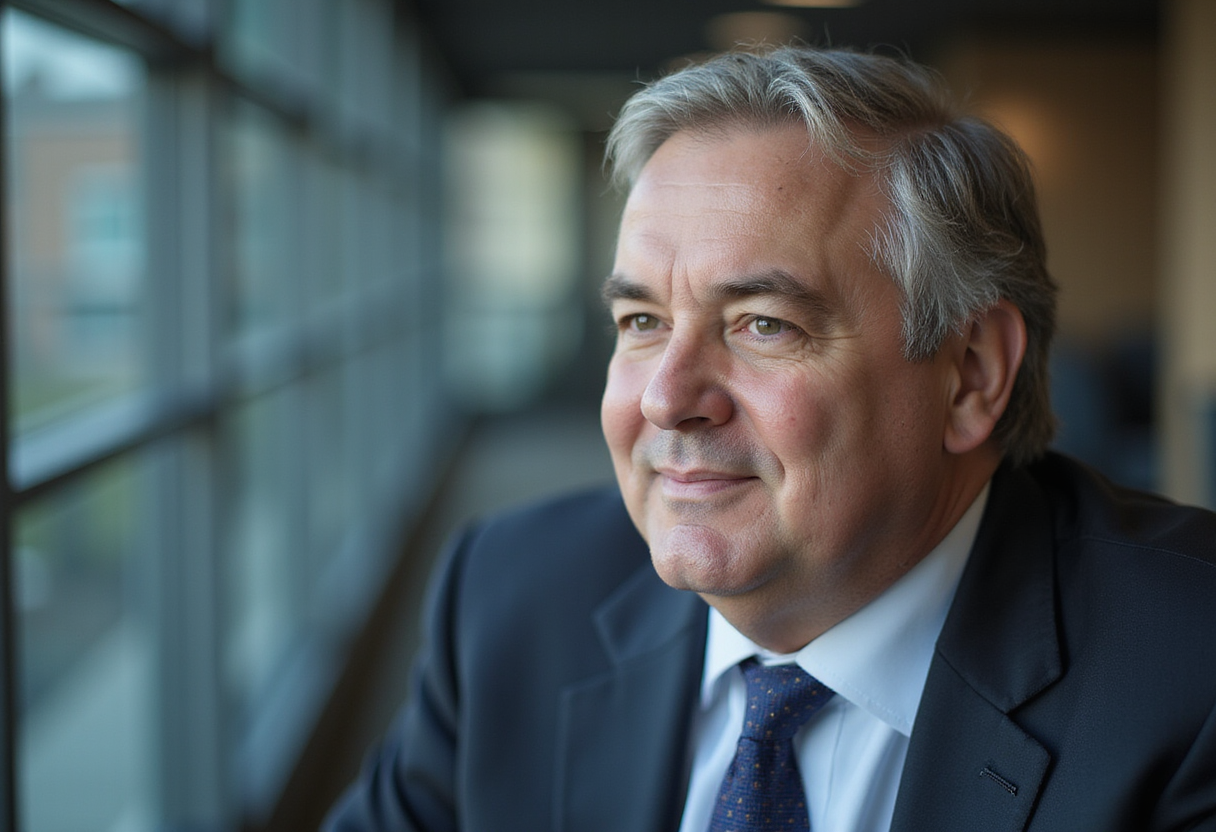
UN Secretary-General António Guterres marked the 80th anniversary of the International Court of Justice on 17 April, delivering a speech from The Hague in which he declared that the court's founding conviction — that "the force of law must always prevail over the law of force" — now faces its sternest test.
The ICJ, established in 1946 in the aftermath of the Second World War, is the principal judicial organ of the United Nations. It settles disputes submitted by States and issues advisory opinions on legal questions referred by UN organs and agencies. The court sits at the Peace Palace in The Hague.
Cornerstone of the postwar order
Guterres reminded his audience that the court was born amid a "dark and difficult moment" in world history. Postwar leaders, he said, chose "to reject a future ruled by coercion and violence" in favor of one rooted in the UN Charter and international law.
They built a court "founded on one overriding conviction: the force of law must always prevail over the law of force," he said.
"In doing so, they did more than create the principal judicial organ of the United Nations. They laid down a cornerstone of a more peaceful world."
Trust and respect
Over eight decades, ICJ judgements and advisory opinions have shaped the modern world, the Secretary-General said. The growing number of cases on the court's docket today is "a clear sign of trust in its authority and independence." He also pointed to efforts to modernize the court's working methods and to increase gender representation on the bench as evidence of progress.
"The Court continues to be a guarantor that sovereignty and equality are not mere words on paper. It is also a reminder that even overwhelming strength cannot – and must not – replace legal obligation," Guterres said.
He stressed a point of direct legal consequence for practitioners: the court's decisions, including provisional measures, are binding. Compliance is not optional. It is an obligation under the UN Charter.
For States engaged in contentious proceedings before the ICJ — and for the counsel advising them — the anniversary speech reinforces that the Secretary-General treats provisional measures ordered under Article 41 as carrying binding Charter force. That framing matters in ongoing disputes where states have contested or delayed compliance with such orders, and it signals that the UN's top official will continue to characterize non-compliance as a Charter breach rather than a diplomatic choice.
Erosion of international law
Guterres warned that the rules-based system is under strain. "Violations of international law are unfolding before our eyes. Military operations trample the basic rules that govern conflict. Humanitarian obligations are ignored," he said.
He noted that the rules of international law that protect the UN are being violated, while the ICJ and other justice institutions face growing questioning and challenge.
"This erosion is not happening at the margins of the international system. It is happening at its core – including by States entrusted with unique responsibilities for the maintenance of international peace and security," he said.
The warning was blunt about consequences. "When the law of force replaces the force of law, instability becomes contagious. Conflicts spill across borders. Economic shocks reverberate around the world. And the most vulnerable always suffer first and suffer most."
A choice between law and power
The Secretary-General said the international community now faces "our own moment of crisis": a choice between a future governed by the rule of law or by raw power.
"It is precisely because the international system is under such strain that adherence to international law matters more than ever – especially in this era of changing power relations," he said.
Guterres called on countries to strengthen international law, recommit to the peaceful settlement of disputes, respect ICJ judgements, follow through on its advisory opinions, and uphold the UN Charter.
"In this moment of crisis, that is the only right choice," he said. "Let us have the courage to make it."
via un.org (Original)
More from Amara Osei
Show full bio
Senior reporter covering industry trends and analytics at Global Law Wire.
186 articles