Law report No. GLW-4300 · filed November 8, 2026
Regulation & EnforcementReported case
Home Office to Deploy Live Facial Recognition for Immigration Enforcement
Home Office policy papers reveal live facial recognition cameras at transport hubs and events will target visa overstayers and removal cases in the UK's largest enforcement crackdown.
By Sophie Lindqvist3 min read560 words
Holding
- Home Office guidance published 8 October 2025 sets out live facial recognition for immigration enforcement
- Watchlists may include visa overstayers and people who entered without leave — civil, not criminal, matters
- Home Secretary Shabana Mahmood doubled the enforcement budget and boosted staff by 60%
- Target: 'tens of thousands' more raids, arrests and deportations
- LFR cameras to be deployed at transport hubs and public events
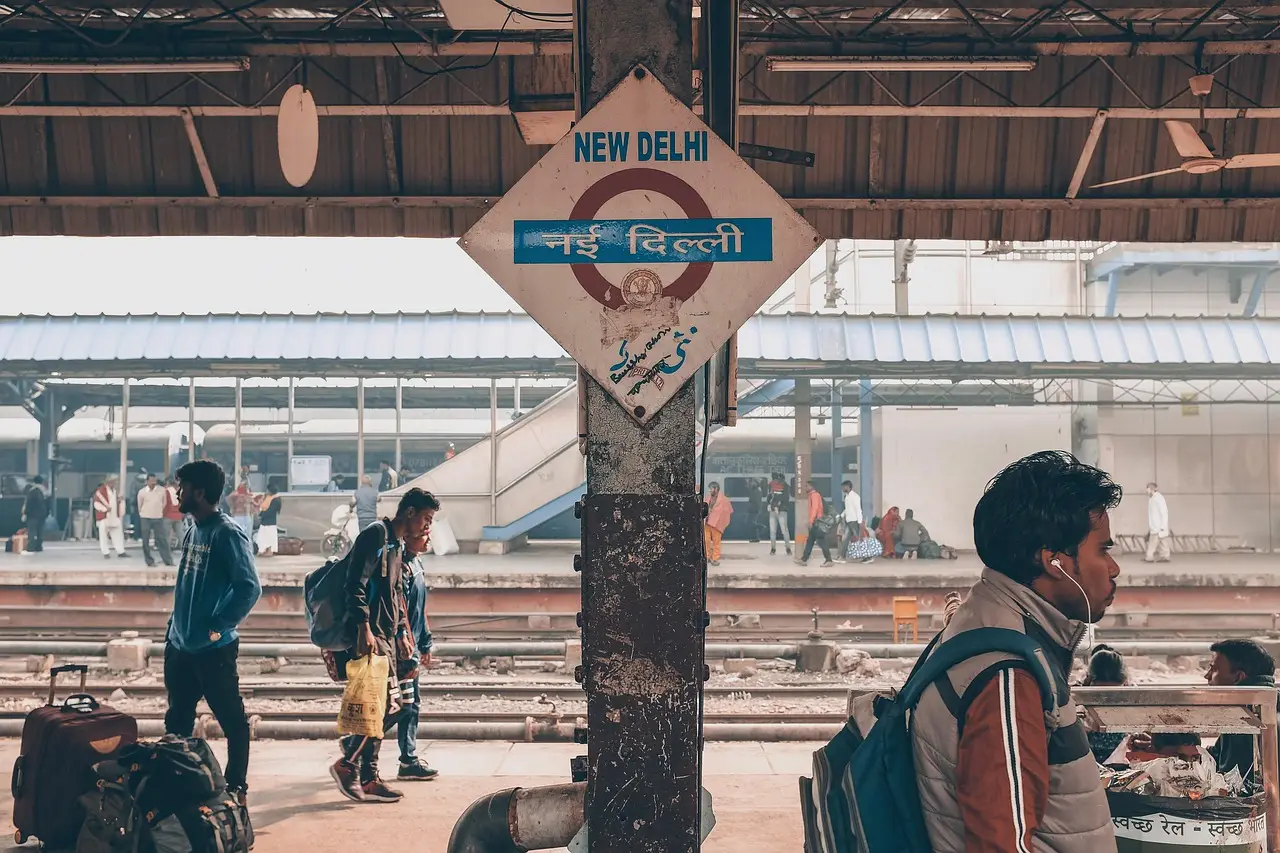
The UK Home Office will deploy live facial recognition (LFR) cameras at transport hubs and public events as part of what it calls the biggest immigration enforcement crackdown in British history.
The plan appears in two official documents: a guidance document for immigration enforcement officials published on 8 October, and a data protection impact assessment (a mandatory privacy-risk review under UK data law) released later that month. Together they set out the legal and operational basis for using the surveillance technology against people whose immigration status is in question.
Who ends up on the watchlists?
The policy is broad. Policy documents show the government has been developing a programme to deploy LFR for "general immigration enforcement", including non-criminal immigration offences.
The technology will serve three stated purposes:
- identifying people "seeking to re-enter the UK unlawfully";
- targeting individuals subject to removal action;
- cracking down on broader "immigration-related criminality".
The documents also suggest people could be placed on LFR watchlists for overstaying a visa without permission, or for entering the UK without leave. Both are civil matters, not criminal ones. That distinction matters. It means the cameras could scan crowds for people who have committed no crime at all, which is likely to sharpen the legal debate around proportionality under UK human rights and data protection law.
What does the Home Office say justifies it?
The department frames the technology as a case-management tool. It states the cameras will locate undocumented people so it can resolve their cases.
There is also a public-order argument. The Home Office says the approach will reduce "disruption to the wider public compared to repeated enforcement visits at residential addresses or workplaces".
Think of it as swapping the front-door raid for the station-platform camera. Instead of repeated physical visits to homes and workplaces, officers would be alerted when a watchlisted person passes a camera at a transport hub or ticketed event.
Why now? Follow the budget
The publication follows a funding decision by Shabana Mahmood, the home secretary. She has doubled the budget for immigration enforcement and increased its workforce by 60%.
The stated aim is to allow "tens of thousands" more raids, arrests and deportations. The LFR programme gives that expanded workforce a locating tool, in effect scaling enforcement capacity beyond what door-knocking alone could reach, much as ANPR (automatic number plate recognition) scaled vehicle policing beyond roadside checks.
What's the practical significance for practitioners?
For immigration, privacy and public law practitioners, the documents open several fronts. Clients with overstayed visas or refused claims may now face biometric flagging at stations, airports and public events for purely civil breaches, so advisers should factor watchlist exposure into advice on voluntary departure and regularisation. Data protection lawyers will scrutinise the impact assessment against UK GDPR and the Data Protection Act 2018, particularly the lawful-basis and proportionality analysis for mass scanning of public spaces. And judicial review counsel will note that deploying LFR for civil immigration offences goes beyond the counter-terrorism and serious-crime contexts in which police use of the technology has already been litigated in Britain.
The Home Office has not yet published deployment dates or camera locations. The guidance and impact assessment, though, make the direction of travel clear: biometric identification is moving from the border into everyday public spaces, and into civil enforcement.
via amren.com (Source)
More from Sophie Lindqvist
Show full bio
News editor covering people, launches and day-to-day practice in International law and legal practice at Global Law Wire.
285 articles
Also before the court
- UK Government Opens Consultation on Facial Recognition Legal Framework
- Clearview AI Appeal Tests UK GDPR Extraterritorial Reach
- Ofcom says photo ID could gate social media for under-16s
- CMA Fines Individual Employees Over Dawn Raid Evidence Cover-Up
- UK Registers First Director Prosecutions Under New ID Regime