Law report No. GLW-7439 · filed November 18, 2026
Trade LawReported case
Trump Signs Preliminary Tariff Pact With Thailand as Quad Plans First Joint Patrols
Trump signed a preliminary pact in Manila under which Thailand will drop all tariffs on U.S. exports and buy $2.6 billion more in farm goods — but it's a joint statement, not a final treaty.
By Sophie Lindqvist4 min read700 words
Holding
- Trump signed a joint statement with Thailand in Manila on Tuesday; it is preliminary, not a final agreement.
- Thailand commits to eliminate all tariffs on U.S. exports and buy an estimated $2.6 billion in additional U.S. farm products.
- Quad leaders announced their first joint P-8 and P-3C patrol exercise, scheduled for 2027.
- A Quad AI accelerator backed by more than $85 million was announced for the Indo-Pacific.
- Trump meets Xi Jinping and Vladimir Putin on Thursday at APEC in Shenzhen.
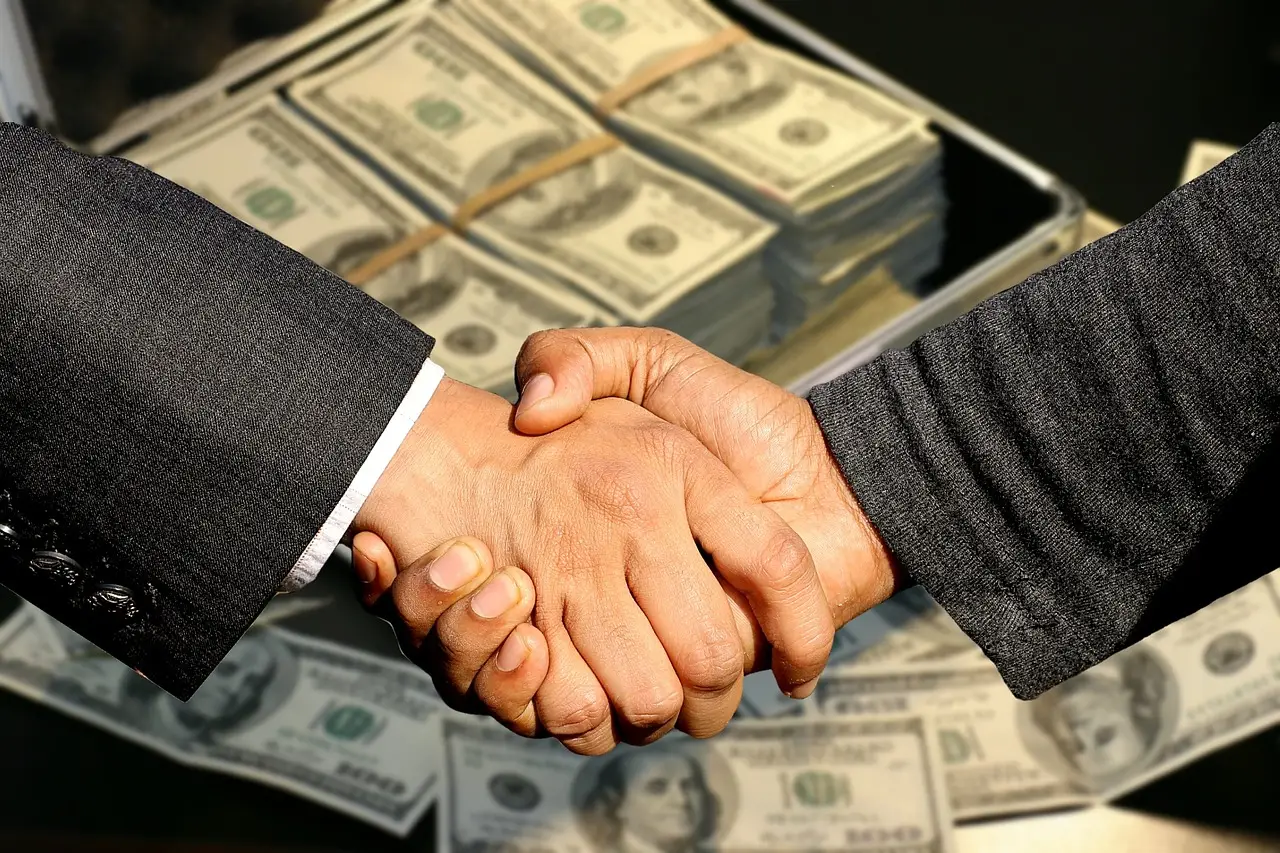
President Donald Trump signed a preliminary trade pact with Thailand in Manila on Tuesday, announcing that the country will drop all tariffs on American exports. The document, signed with Thai Prime Minister Anutin Charnvirakul, is a joint statement rather than a finished agreement. It says the two sides "have reached substantial conclusion" in their talks, according to Fox News. Trump said details would be finalized "in the coming weeks."
The signing took place on the sidelines of the Association of Southeast Asian Nations summit, hours before Trump was set to travel on to Shenzhen, China.
What does the joint statement actually commit Thailand to?
Under the statement, Thailand will eliminate tariffs on U.S. exports and remove what Trump called "substantial" nontariff barriers (restrictions such as quotas or licensing rules that block trade without using tariffs) on American vehicles, medical devices, pharmaceuticals, ethanol and poultry. Thailand will also buy an estimated $2.6 billion in additional U.S. farm products.
Trump framed the deal broadly. "This is an incredible victory for both countries, both the people of Thailand and the American people," he said, according to Fox News.
The legal weight is thin for now. A joint statement records political commitment; it is not a ratified treaty with binding dispute mechanisms. That distinction matters for exporters. Until a final agreement lands, U.S. producers in the named sectors — cars, medical devices, pharmaceuticals, ethanol and poultry — have a political roadmap but no enforceable market access. Trade lawyers will watch the drafting of the final text closely, particularly whether tariff elimination is reciprocal and how nontariff barriers get defined.
At a summit dinner later, Trump asked Anutin to stand and joked about the terms: "You made a much better deal than I did, but these are minor details," the Washington Examiner reported.
What did the Quad leaders announce?
Earlier Tuesday, Trump met Japanese Prime Minister Sanae Takaichi, Australian Prime Minister Anthony Albanese and Indian Prime Minister Narendra Modi for the Quad's first leaders' summit since September 2024, Kyodo News reported. The Quad (the U.S.-Japan-Australia-India security grouping) is widely described as a counterweight to China's growing influence in the Indo-Pacific.
In a joint statement, the four leaders said their P-8 and P-3C maritime patrol aircraft are scheduled to fly together in a Quad exercise for the first time in 2027, under a new maritime surveillance initiative.
The leaders expressed "grave concerns about economic coercion, including through arbitrary export restrictions" and opposed any attempt "to change the status quo, including by force or coercion." The statement did not name China.
Trump opened the meeting by touting U.S. naval power. "We make the greatest submarines anywhere in the world, and we're working with Australia and others on that," he said, GMA News reported.
The grouping also announced:
- A Quad accelerator for artificial intelligence, which Trump calls "superintelligence," backed by more than $85 million to widen access to trusted AI systems across the Indo-Pacific.
- A Quad business leaders' forum planned for early 2027.
- Stronger cybersecurity cooperation among the four countries.
"Our countries are the four corners of a free, open, stable, and prosperous Indo-Pacific," Trump said, according to The Guardian. Before the meeting, he called Modi and Takaichi "tough," then gestured to Albanese and said, "We're OK too."
What comes next on Trump's itinerary?
Trump landed in Manila on Tuesday for the ASEAN summit as protesters rallied against his visit. He heads next to Shenzhen, China, for the Asia-Pacific Economic Cooperation summit and a three-way meeting with Chinese President Xi Jinping and Russian President Vladimir Putin on Thursday, The Japan Times reported.
Asked whether North Korean leader Kim Jong Un would join the talks in China, Trump said: "He would like to, yeah. We'll see what happens," Fox News reported. He told reporters it was up to Xi to issue an invitation, The Guardian reported.
For practitioners, the coming weeks carry the real substance. The Thai text must convert a political statement into tariff schedules and regulatory commitments. The Quad's 2027 patrol exercise, meanwhile, sets a concrete date for the grouping's first joint maritime surveillance flights.
via conservativedailynews.com (Source)
More from Sophie Lindqvist
Show full bio
News editor covering people, launches and day-to-day practice in International law and legal practice at Global Law Wire.
343 articles