Law report No. GLW-5046 · filed October 2, 2026
Trade LawReported case
Supreme Court Strikes Down Trump's IEEPA Tariffs in 6-3 Ruling
The Supreme Court ruled 6-3 that Trump lacked authority to impose tariffs under IEEPA. The administration pivoted to Section 122 as importers pursue more than $175 billion in refunds.
By Marcus Bennett4 min read788 words
Holding
- The Supreme Court ruled 6-3 that President Trump lacked authority to impose tariffs under IEEPA, holding that taxation is Congress's power, the statute never mentions tariffs, and no prior president used it that way.
- IEEPA tariffs generated more than $175 billion in revenue that prior case law suggests must be refunded; some importers will need to file petitions or sue to recover payments.
- Trump announced a 10 percent tariff under Section 122, later raised to 15 percent; that authority lasts only 150 days, pushing the administration toward Section 201, 232, 301, and 338 processes.
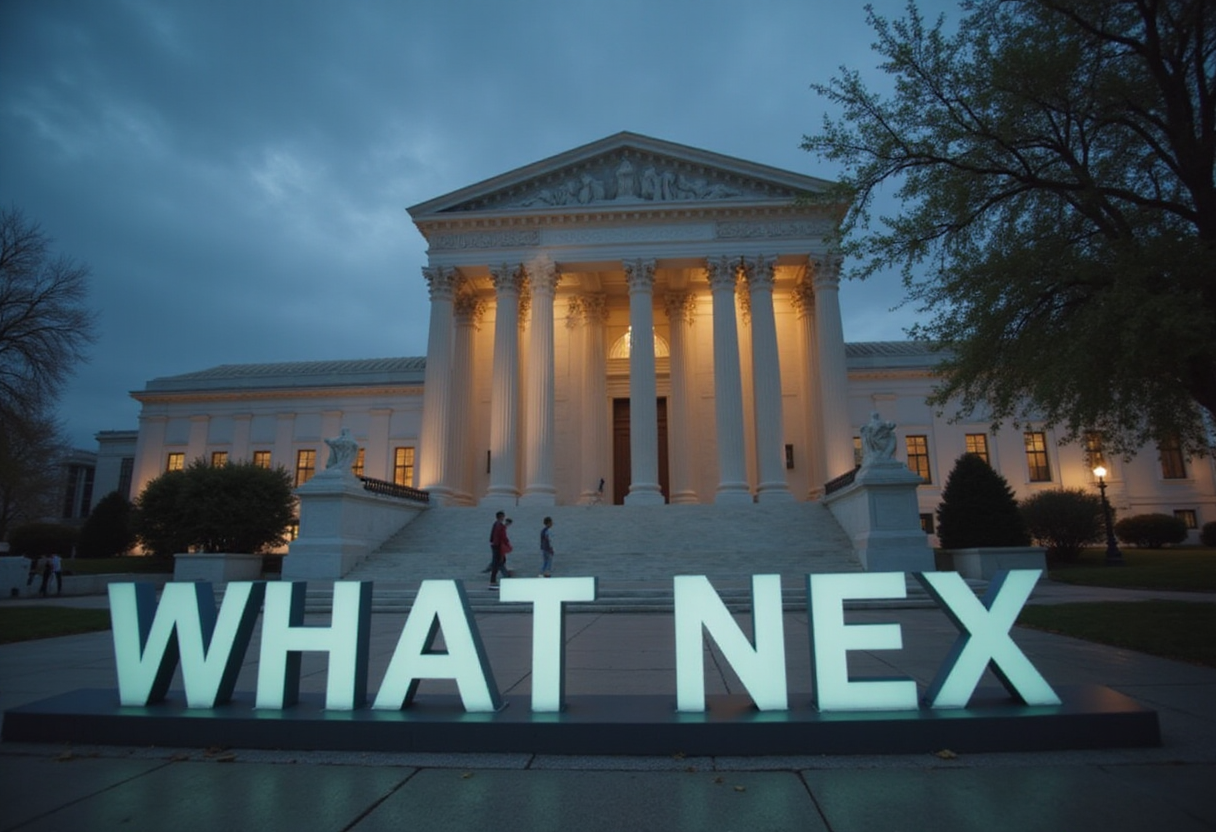
The U.S. Supreme Court has ruled that President Donald Trump lacked the power to impose tariffs under the International Emergency Economic Powers Act (IEEPA), striking down the central instrument of his trade policy in a 6-3 decision.
The Court's reasoning rested on three points: taxation belongs squarely to Congress, IEEPA's text never mentions the word "tariffs," and no previous president had used the statute to impose them. The decision ends months of speculation over the legality of the tariff regime the administration built on emergency economic powers.
IEEPA, however, was only one of several statutes the president has used to levy tariffs. The administration retains fallback authorities, but each carries constraints — either heavier procedural requirements, such as formal investigations, or strict time limits. Under Section 122, a president may impose tariffs of up to 15 percent for 150 days by citing a balance of payments crisis, using that window to launch and complete processes under other authorities, including Sections 201, 232, 301, and 338. Trump moved quickly: at a press conference on Friday he announced a 10 percent tariff under Section 122, then raised the rate to 15 percent.
What Happens Now
Implementation. The administration is expected to instruct Customs and Border Protection (CBP) to stop collecting the IEEPA tariffs. Collections will continue for tariffs imposed under Section 232, on national security grounds, and Section 301, which targets countries that discriminate against U.S. products, plus the new 15 percent Section 122 tariff.
Refunds. Importers paid IEEPA tariffs totaling more than $175 billion, according to estimates cited in the wake of the ruling. Prior case law makes clear that refunds are owed, but the mechanics remain uncertain. Some importers will need to file petitions or go to court to recover what they paid over the past several months.
Replacement tariffs. The administration will likely launch or conclude investigations under alternative authorities and attempt to replicate the IEEPA tariff structure before the Section 122 tariff expires in five months. That deadline falls close to the midterm elections, and polling suggests political risk: a CFR-commissioned study with Morning Consult found that a majority of Americans believe tariffs contribute to higher prices and want guardrails on the president's tariff authority.
Foreign trading partners. Other governments may welcome the ruling privately but will hesitate to openly renegotiate agreements struck under threat of IEEPA tariffs, for fear of drawing Trump's ire. Some countries could see their tariff burden fall once the 15 percent Section 122 rate replaces higher IEEPA duties — at least in the short run. Over time, however, the combination of Section 122 tariffs and whatever follows from Section 232 and 301 processes could leave most countries close to where they stand today.
Corporate commitments. Several companies struck deals with the administration in response to IEEPA tariff threats. The pharmaceutical industry, in particular, agreed to invest hundreds of billions of dollars in the United States, restructuring business models and shifting production onshore. Those companies may revisit their plans given the uncertainty over where tariffs will ultimately land — including a pending Section 232 investigation of pharmaceutical imports — but many are expected to proceed as announced.
Revenue. The more than $175 billion collected under IEEPA should legally be refunded. Going forward, the 15 percent Section 122 tariff, combined with any additional duties imposed as the Section 232 and 301 processes conclude, could largely substitute for that lost revenue stream.
The Broader Consequence
The most consequential effect of the decision may lie outside trade policy proper. The ruling should curtail the use of tariff threats as the president's preferred instrument of leverage or punishment in non-trade disputes — from threatened tariffs against European countries over their defense of Greenland, to penalties aimed at Canada for permitting imports of Chinese electric vehicles, to tariffs imposed on Brazil over its treatment of former President Jair Bolsonaro. The president will need to find other means of expressing displeasure with foreign governments.
For practitioners, the immediate work is concrete: advising clients on refund claims for IEEPA duties paid, monitoring CBP implementation guidance, and tracking the status of Section 232 and 301 investigations that will determine the next tariff architecture. Companies with pending customs litigation over IEEPA duties — much of it stayed pending the Supreme Court's resolution — will now see those cases move forward on refund questions.
The decision marks a genuine landmark: a setback for the administration and a reminder that separation-of-powers constraints still bind. But the practical outlook is continuity rather than reversal. The Section 122 tariff takes effect now, replacement authorities are in motion, and the likely end state is a global economy defined by higher tariffs than existed before Trump took office. Plus ça change.
via cfr.org (Original)
More from Marcus Bennett
Show full bio
Market editor covering marketplaces and e-commerce at Global Law Wire.
192 articles
Also before the court
- Supreme Court Strikes IEEPA Tariffs; Trump Pivots to Section 122
- Supreme Court Strikes Down Trump's IEEPA Tariffs in 6-3 Ruling
- EU Weighs Response After US Supreme Court Blocks IEEPA Tariffs
- Supreme Court IEEPA Tariff Ruling: What Comes Next
- New Federal Court Challenge Targets Trump's Latest Global Tariffs