Law report No. GLW-2578 · filed September 29, 2026
Courts & TribunalsReported case
Supreme Court Appears Poised to Narrow International Law Claims
Supreme Court justices signaled during oral argument that they are likely to restrict plaintiffs' ability to sue for violations of international law under the Alien Tort Statute.
By Amara Osei
Holding
- The Supreme Court heard argument in a case concerning the Alien Tort Statute of 1789.
- Justices' questioning at oral argument suggested a majority favors narrowing such claims.
- A decision is expected by the end of the Court's term in June.
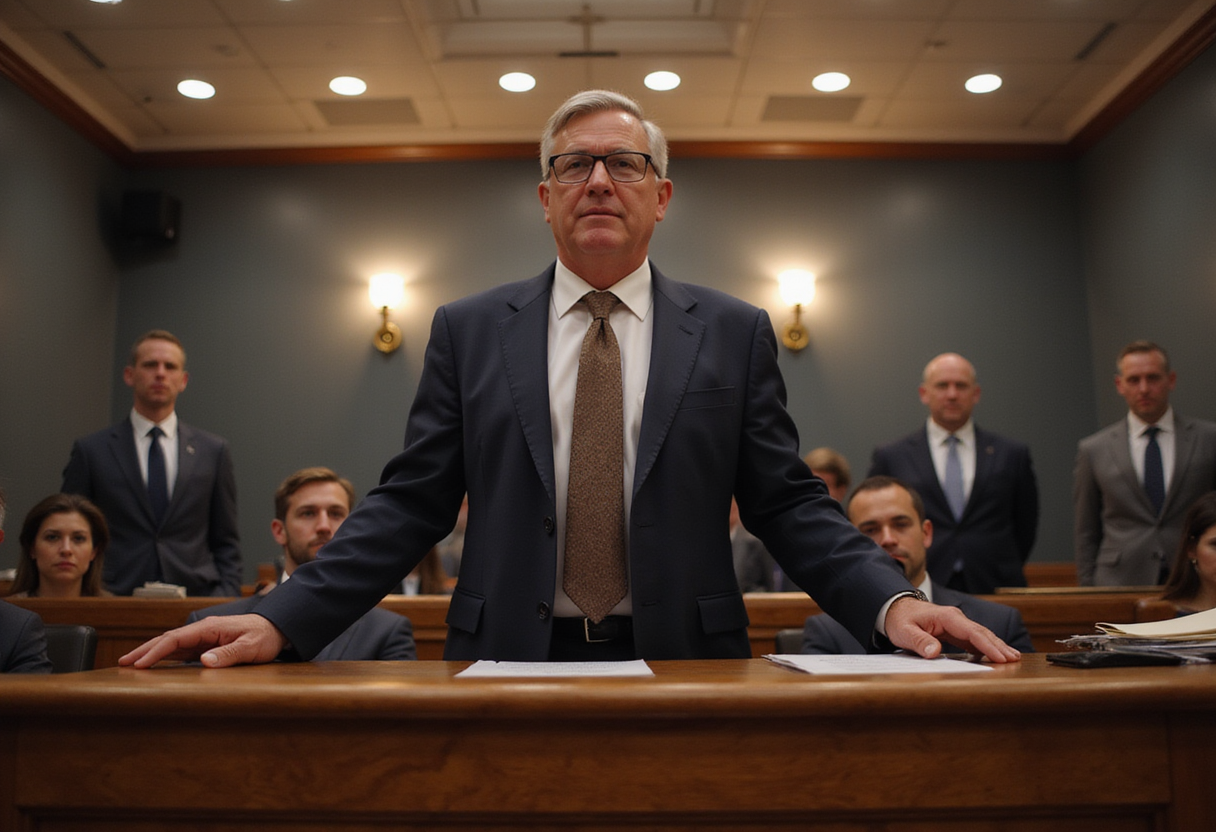
The U.S. Supreme Court appears likely to narrow the ability of plaintiffs to bring civil claims for violations of international law, based on the tenor of oral argument reported by SCOTUSblog.
The case, argued before the Court, concerns the reach of the Alien Tort Statute (ATS), the 1789 provision that allows non-U.S. citizens to sue in U.S. federal courts for violations of "the law of nations." Plaintiffs and human rights advocates have long used the statute as a vehicle to sue corporations and foreign officials for abuses such as torture, war crimes, and complicity in overseas atrocities.
During argument, the justices' questioning suggested that a majority is inclined to restrict the scope of such claims. The Court's conservative bloc, which holds a 6-3 majority, has already pared back ATS litigation in recent terms. The pending decision could go further, potentially foreclosing most private lawsuits based on international law violations altogether.
A ruling narrowing the statute would mark the latest chapter in a decades-long doctrinal contraction. The Court's 2013 decision in Kiobel v. Royal Dutch Petroleum Co. imposed a presumption against extraterritorial application of the ATS, requiring plaintiffs to show a sufficient U.S. nexus. Subsequent rulings, including Jesner v. Arab Bank (2018), which barred foreign corporations as defendants, and Nestlé USA v. Doe (2021), which left open a narrow window for claims tied to domestic conduct, have steadily reduced the statute's practical reach.
For practitioners, the practical stakes are considerable. Plaintiffs' lawyers who handle international human rights litigation could lose one of their primary federal vehicles for such claims. Corporate defense counsel, by contrast, would gain added insulation for multinational clients facing allegations of complicity in foreign human rights abuses. Any narrowing decision would also shift litigation strategy toward alternative theories, including claims under the Torture Victim Protection Act, state law causes of action, and foreign or international forums.
The case has drawn wide attention from business groups, human rights organizations, and foreign governments, all of which have filed amicus briefs weighing in on the ATS's proper scope.
A decision is expected by the end of the Court's current term in June.
via GN International Courts (Source)
More from Amara Osei
Show full bio
Senior reporter covering industry trends and analytics at Global Law Wire.
186 articles