Law report No. GLW-4446 · filed October 10, 2026
Courts & TribunalsReported case
South African ICJ Judge Navi Pillay Wins 2026 Nobel Peace Prize
The Norwegian Nobel Committee on 9 October 2026 awarded the Nobel Peace Prize to Navi Pillay, a South African jurist and sitting ICJ judge who chaired the UN commission that found Israel guilty of genocide in Gaza.
By Priya Raman3 min read573 words
Holding
- The Norwegian Nobel Committee awarded the 2026 Nobel Peace Prize to Navi Pillay on 9 October 2026.
- The committee cited Pillay for showing 'that legal measures can help prevent acts of war and violence'.
- Pillay currently sits as a judge at the International Court of Justice and previously led the UN human rights office.
- Pillay chaired the UN Independent International Commission of Inquiry on the Occupied Palestinian Territory, which found Israel guilty of genocide in Gaza in September 2025.
- The Nobel Peace Prize ceremony is scheduled to take place on 10 December 2026 in Oslo.
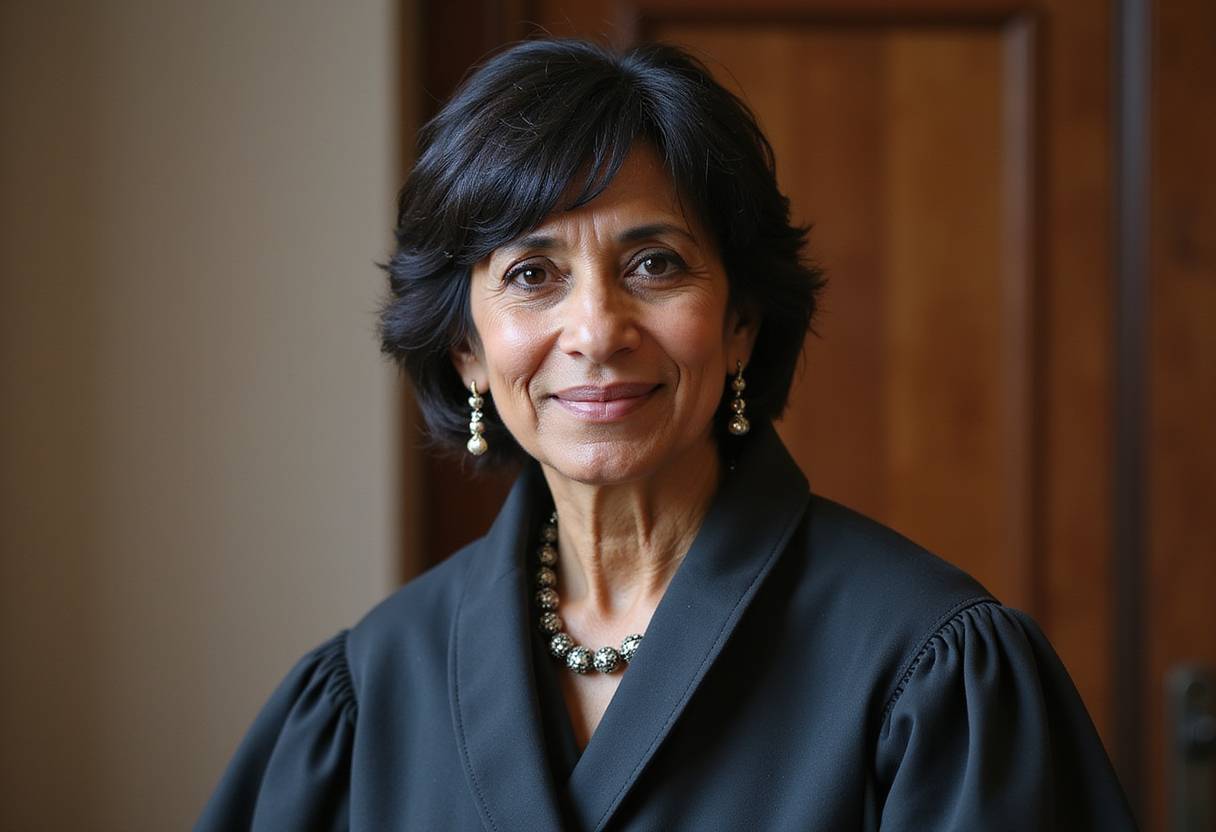
The Norwegian Nobel Committee awarded the 2026 Nobel Peace Prize on 9 October 2026 to Navi Pillay, a South African jurist who currently sits as a judge at the International Court of Justice.
The committee recognised Pillay's work in international humanitarian law and her prior leadership of the United Nations human rights office. The award lifts a serving member of the World Court onto a list historically populated by heads of state, civil society figures, and humanitarian organisations.
What is the operative citation?
The committee's central statement read: Pillay "has shown that legal measures can help prevent acts of war and violence." The phrasing frames courts, commissions, and treaty bodies as instruments of restraint rather than mere forums of accountability.
Past Peace Prize laureates have typically operated through mediation, civil resistance, or humanitarian relief. The committee's choice places a jurist, not a diplomat or activist, at the centre of the 2026 award.
Who is Navi Pillay?
Pillay is a South African jurist who served as the UN's human rights chief. She now sits on the bench of the ICJ, the principal judicial organ of the United Nations, seated at the Peace Palace in The Hague.
The ICJ hears inter-state disputes and issues advisory opinions on questions of international law referred by UN organs. Its bench comprises 15 judges elected to nine-year terms by the General Assembly and the Security Council acting independently. The court's judgments bind the parties before it and shape treaty interpretation across the international legal order.
What is the Gaza commission?
Pillay chaired the UN Independent International Commission of Inquiry on the Occupied Palestinian Territory. In September 2025 the commission concluded that Israel was guilty of genocide in Gaza.
The body operated under a mandate from the UN Human Rights Council. UN commissions of inquiry gather evidence through witness statements, satellite imagery, and review of open-source material, then publish findings as public records that can be cited in subsequent court proceedings.
Why does the inquiry matter in court?
The commission's findings feed directly into subsequent judicial work. At both the ICJ and the International Criminal Court, commission reports are routinely cited as evidentiary material in filings concerning alleged atrocities.
South Africa brought a Genocide Convention case against Israel at the ICJ. Findings from the Pillay-chaired commission formed part of the documentary record cited in that litigation. The pattern connects commission chairmanship directly to courtroom citation.
What does the award mean for practitioners?
For international lawyers, the prize highlights courts and commissions that often operate outside public attention. The committee's emphasis on "legal measures" frames litigation and inquiry as recognised tools of peace alongside traditional diplomacy.
For litigants preparing atrocity filings, the citation offers rhetorical cover. The committee's selection of a jurist who built her record through commission work signals the methodology international courts credit most heavily. Governments weighing renewal of commission mandates will read the citation as endorsement of the inquiry method.
What happens next?
The Nobel Peace Prize ceremony takes place annually on 10 December in Oslo. Pillay will deliver a Nobel lecture and receive the medal and diploma at Oslo City Hall.
Her continued service on the ICJ bench means the prize will draw public attention to cases and advisory requests currently on the court's docket. Statements made in her laureate capacity will be read closely by governments and litigants with matters before The Hague.
via x.com (Original)
More from Priya Raman
Show full bio
Staff writer covering consumer brands and retail at Global Law Wire.
187 articles
Also before the court
- Nobel Peace Prize Awarded to Navi Pillay of International Court of Justice
- Navi Pillay, Leading Human Rights Jurist, Awarded Nobel Peace Prize
- ICJ Judge Navi Pillay Wins 2026 Nobel Peace Prize for International Law Work
- Nobel Peace Prize Goes to International Lawyer Navi Pillay
- Navi Pillay Awarded Nobel Peace Prize for War Crimes Work