Law report No. GLW-7175 · filed November 17, 2026
Trade LawReported case
Shrimpers Ask ITC to Block Indian Imports Tied to Forced Labor
Two U.S. shrimpers filed an ITC complaint under Section 337 to block Indian shrimp imports tied to alleged forced labor at Nekkanti Sea Foods.
By Sophie Lindqvist5 min read917 words
Holding
- Complaint filed with the ITC on October 28, 2026, under Section 337 of the Tariff Act of 1930.
- Target: shrimp from India's Nekkanti Sea Foods Ltd., allegedly produced with forced labor.
- Complainants: Versaggi Shrimp Corporation (5 boats, Tampa) and W&W Dock LLP (7 boats, Texas).
- ITC has until December 3, 2026, to decide on instituting an investigation; comments due November 12.
- Section 337 cases are typically concluded in under two years before an administrative law judge.
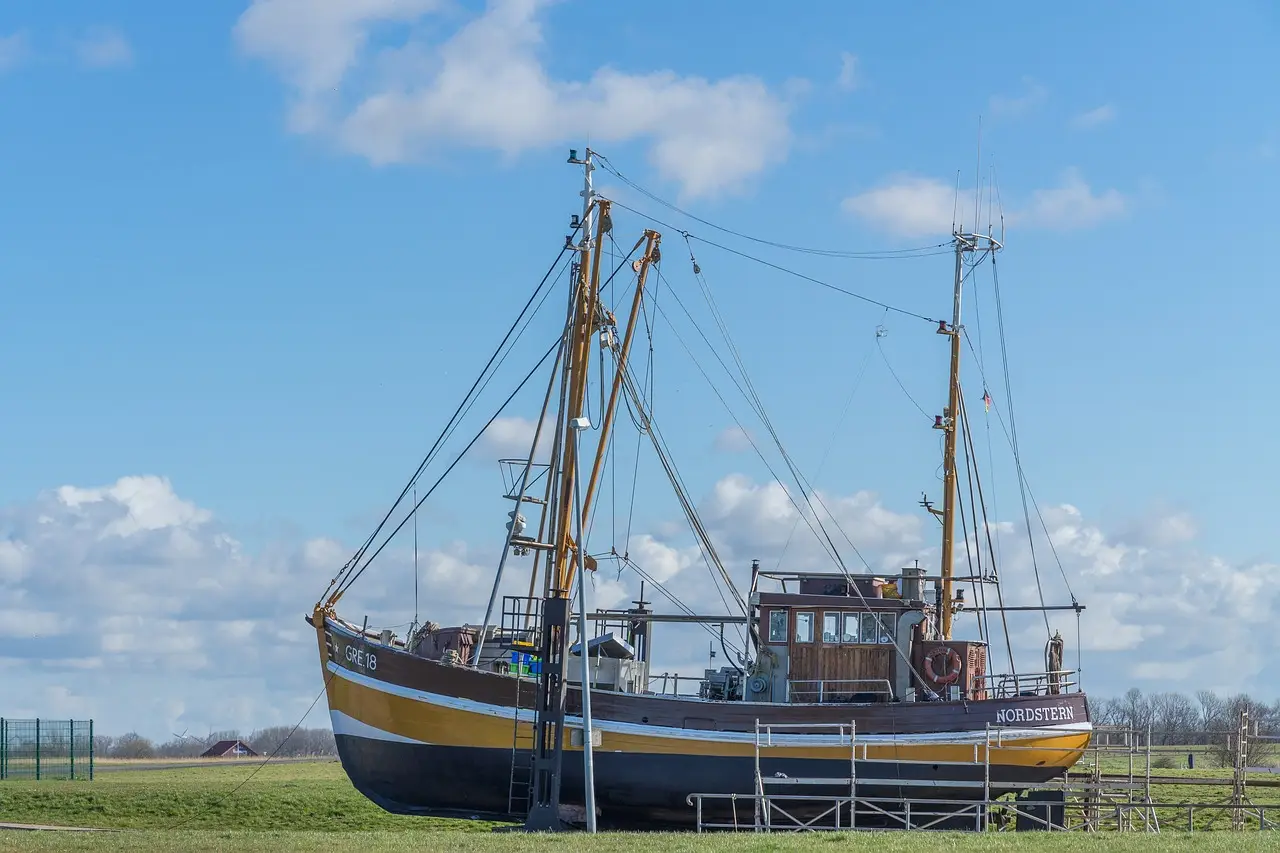
Two U.S. shrimp companies filed a complaint with the International Trade Commission on October 28, 2026, seeking to block imports of shrimp processed by Indian company Nekkanti Sea Foods Ltd. over alleged forced labor. Corporate Accountability Lab and the law firm Picard, Kentz & Rowe filed the complaint on behalf of Versaggi Shrimp Corporation of Tampa, Florida, and W&W Dock LLP of the Texas coast. It rests on Section 337 of the Tariff Act of 1930, which lets the ITC exclude products made through "unfair methods of competition" that threaten to "substantially injure an industry in the United States."
The move is novel. Section 337 is overwhelmingly a patent statute — the vast majority of claims allege intellectual property infringement. This complaint argues that forced labor is itself an unfair method of competition.
What does the complaint allege?
According to the complaint, migrant workers at Nekkanti's facilities live in cramped, unsanitary conditions that the company reportedly prohibits them from leaving. They work long hours for less than the legal minimum wage, in dangerous conditions. Some suffer frostbite on their hands from hours spent peeling frozen shrimp.
The filing builds on a 2024 Corporate Accountability Lab report on human rights abuses in the Indian shrimp industry. U.S. government agencies have reached similar findings.
- The State Department's 2024 Trafficking in Persons Report on India cited "indicators of forced labor—including failure to pay a minimum wage, restricted freedom of movement, and dangerous working conditions," plus "debt bondage, especially among migrant workers and scheduled castes."
- The Department of Labor lists farm-raised shrimp in India among goods produced with forced labor. It notes that workers often live in employer-provided housing in remote locations, where "severe security measures including lock-ins and surveillance prevent workers from freely leaving the premises."
Why not the TVPRA?
The Trafficking Victims Protection Reauthorization Act (a federal statute criminalizing forced labor and giving victims a civil remedy) has a geographic limit. It applies abroad only when the alleged offender is a U.S. national, a permanent resident, or present in the United States. Nekkanti is an Indian company with no U.S. presence. It sits beyond the TVPRA's criminal provisions and its civil remedy, which covers anyone who "knowingly benefits … from participation in a venture" that person knew or should have known engaged in forced labor.
The complaint names U.S. wholesalers and grocery stores as other respondents. They could in theory be sued for benefiting from forced labor in the United States, so no extraterritorial reach would be needed. But the TVPRA cannot hold Nekkanti itself responsible. Section 337 fills that gap.
Does forced labor count as an unfair method of competition?
The complaint says yes, and it has support in the government's own words. Customs and Border Protection states that "[f]orced labor is an unfair trade practice that undermines the ability of U.S. companies to compete fairly in the global economy." A recent U.S. Trade Representative report under Section 301 put it this way: "The United States has long recognized that it is a fundamental distortion of market principles to expect firms that source inputs and produce goods through legitimate means to compete with firms that derive a cost advantage from forced labor."
The complaint itself argues that "[b]y eliminating or suppressing labor costs through the coercion of workers, Nekkanti obtains an artificial cost advantage that allows it to distort marketplace dynamics to its benefit."
The complainants are direct competitors. Versaggi, a family-owned business, runs five boats out of Tampa. W&W Dock, also family-owned, operates seven boats along the Texas coast. The complaint details injury from imported shrimp priced low through forced labor. The Labor Department has featured Versaggi on its website as an example of unfair foreign competition tied to labor abuse.
What about Section 307?
Respondents will likely argue that Section 307 of the Tariff Act — the provision behind Withhold Release Orders (CBP's mechanism for blocking goods made with forced labor) — provides the exclusive path. But nothing in Section 307's text says it is exclusive, and nothing in Section 337's text carves out forced labor. The complaint reads Section 307 the other way: banning forced-labor goods outright supports treating forced labor as per se unfair competition.
The two statutes work differently, and practitioners should note the trade-offs. Section 307 requires no showing of injury to a domestic industry; Section 337 does. In exchange, Section 337 offers a trial-like process before an administrative law judge, generally concluded in under two years, versus the slower, more opaque Section 307 proceedings. The ITC can also issue cease-and-desist orders covering goods already imported, not just block future shipments.
Congress has built multiple tools here: the TVPRA's criminal and civil provisions, Section 301, Sections 307 and 337. The Section 301 forced labor findings have been challenged in court by New York's attorney general as "an excuse" to continue tariffs the Supreme Court struck down as unauthorized. Still, few doubt Section 301 covers forced labor alongside Section 307.
What happens next?
Notice of the complaint appeared in the Federal Register on November 3, 2026. Public comments are due by November 12. The ITC has until December 3 to decide whether to institute an investigation.
If the commission takes the case, the result could open a new front in the fight against forced labor abroad — one that private U.S. companies, not just regulators, can trigger.
via tlblog.org (Source)
More from Sophie Lindqvist
Show full bio
News editor covering people, launches and day-to-day practice in International law and legal practice at Global Law Wire.
333 articles
Also before the court
- Trump's Latest Global Tariffs Drawn Into Trade Court Challenge
- Cato Fires Back at Trump's 50% Canada Tariffs in Trade Court
- US and Vietnam Settle WTO Dispute Over Fish Fillet Anti-Dumping Duties
- Forced Labor Tariff Fight Lands at U.S. Court of International Trade
- WTO Panel Rules Against US in China Clean Energy Subsidies Dispute