Law report No. GLW-7058 · filed November 17, 2026
Human RightsReported case
Rio Tinto to Pay US$250m Over Panguna Mine Legacy on Bougainville
Rio Tinto will pay US$250m toward remediating the abandoned Panguna mine on Bougainville, scene of a decade-long civil war, after a human rights complaint by the Human Rights Law Centre.
By Amara Osei5 min read923 words
Holding
- Rio Tinto agreed to pay US$250m (A$370m) toward Panguna mine remediation, abandoned since 1989.
- The civil war that followed the mine's closure killed between 15,000 and 20,000 people, roughly 10% of Bougainville's population.
- Rio Tinto and other investors earned nearly US$2bn from Panguna over 17 years; less than 1% of profits went to Bougainvilleans.
- The complaint was brought by Australia's Human Rights Law Centre, led by former minister Theonila Roka Matbob.
- Bougainville's 2019 independence referendum returned 97.7% in favour of secession; the PNG parliament appears likely to reject it.
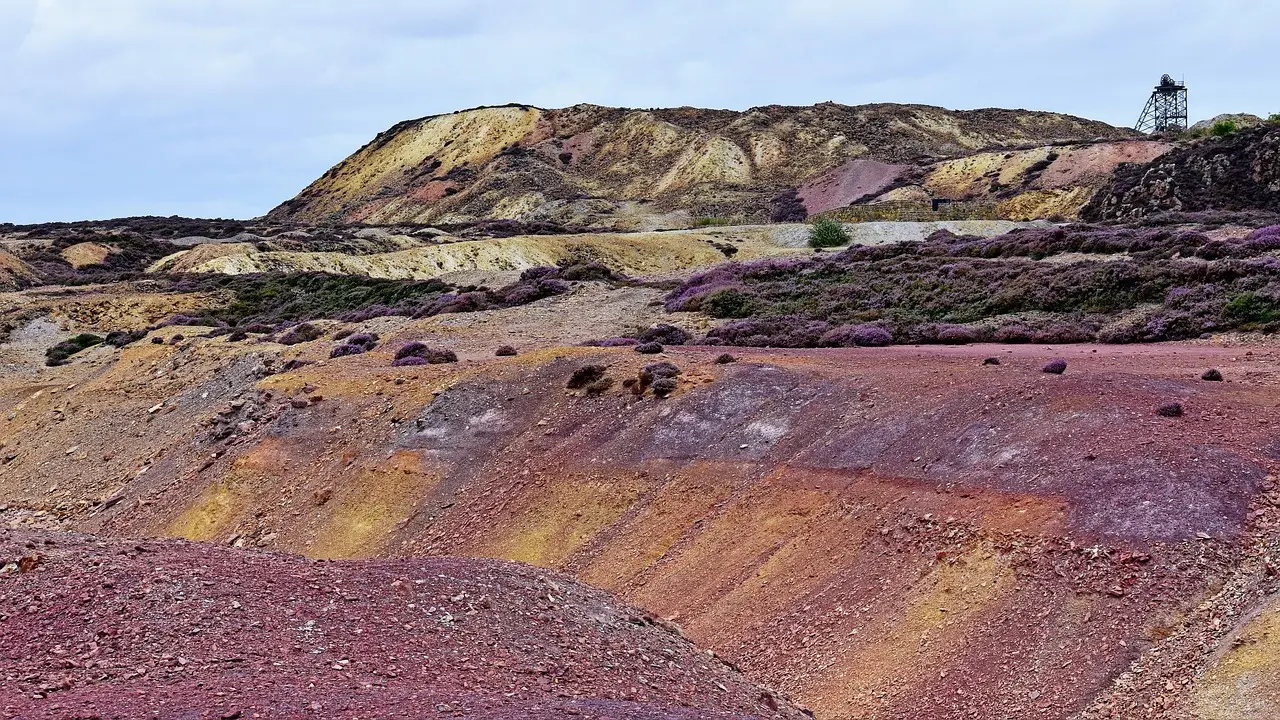
Rio Tinto has agreed to pay US$250 million — roughly A$370 million — toward remediation of the Panguna copper and gold mine it abandoned on Bougainville more than three decades years ago. The Anglo-Australian miner announced the voluntary contribution after a multi-year consultation process that began with a human rights complaint filed in Australia.
Panguna was, in its day, one of the world's most profitable gold and copper mines. It closed in 1989. Sabotage by disaffected landowners forced the shutdown, and the PNG government's response — police, then soldiers, then a blockade — tipped the island into a decade-long civil war remembered locally as "the crisis." Between 15,000 and 20,000 people died, roughly one in ten of Bougainville's population.
What has Rio Tinto actually agreed to?
The US$250 million will fund a remediation programme at the abandoned site, where the mine pit — once a mountain — remains a scar on the island's centre, with rubble pillars at risk of collapse and rivers running bright blue with toxins. A recent environmental impact assessment found the site still poses an acute threat to human life, including landslides, levee collapses and floods. Left untouched, the river delta would stay polluted for a century.
Nobody claims the sum is sufficient. It is being treated as a down payment on rehabilitation rather than a final settlement.
Theonila Roka Matbob, a former cabinet minister in Bougainville's autonomous government, a Panguna community leader and the lead complainant in the human rights case, said the fund was a vital contribution towards repairing the "devastation left by the Panguna mine."
"We have a lot of work still ahead of us, but the establishment of this fund gives us the chance to find solutions to the huge problems we have been living with since the days of the mine's operation," she said. "No amount of money will restore the damage caused to the environment in Panguna, but this sets a foundation for us to invest in addressing the environmental issues and invest in our children's futures as well."
She identified the most fundamental remediation as accessibility — "accessibility to clean drinking water that is safe and secure ... and infrastructure, in bridges that makes people's access to trade, to school, to health[care], much easier. This is one critical area that immediately needs attention."
Where did the legal pressure come from?
The commitment emerged from the Panguna Mine Legacy Impact Assessment consultation process, initiated in response to a complaint brought by the Melbourne-based Human Rights Law Centre, with Roka Matbob as lead complainant. That process ran for years before producing this result.
Keren Adams, the HRLC's legal director, said establishing the fund had taken years of work. "It is a testament to the courage and persistence of community leaders, and the willingness of all parties to engage in difficult but constructive dialogue," she said.
"The significant funding contributed by Rio Tinto creates a real opportunity to now address an environmental disaster that has remained unresolved for decades," Adams said.
Mark Davies, Rio Tinto's chief safety and technical officer, called the fund an "important milestone ... intended to support the transition from the assessment to practical remedy implementation." Community engagement, he said, is the next step: "Community engagement is an important next step to identify priorities and we remain committed to working with communities to shape the activities supported by the fund."
For practitioners, the precedent is plain. A human rights complaint, persistent community leadership and structured dialogue produced a quarter-billion-dollar voluntary payout from a major miner with no court order in sight. Corporate accountability teams should take note.
Why does the money matter politically?
The arithmetic of the mine's history stings. Rio Tinto and other international investors earned nearly US$2 billion from Panguna over 17 years of operation from 1972. Less than 1% of the mine's profits went to Bougainvilleans, whose homes and lands were destroyed by the operation. That imbalance, plus the environmental damage, lit the fuse of the civil war.
The mine's future is entangled with the island's politics. Panguna is believed to still hold at least US$60 billion in unrealised reserves, and many — including the president — see restarting operations as the financial foundation for an independent Bougainville. Indian miner Lloyds has been granted a 25-year large-scale mining lease, though any future mining remains years away.
Bougainville's President Ishmael Toroama, campaigning to lead the world's newest state, said the money would make a "meaningful difference" to villages and communities that suffered from the mine's pollution. "This work will deliver benefits not only for people today, but for future generations," he said. "Continued engagement with our communities will be essential to ensuring the work responds to local priorities and delivers lasting outcomes."
What happens next?
The independence question now sits before the PNG parliament, which must decide whether to recognise the UN-backed referendum held in 2019, in which 97.7% of voters favoured secession. After lengthy and impassioned debate last month, the parliament appears almost certain to vote against recognising the result.
Toroama has staked his presidency on independence regardless. He has said Bougainville will enter a period of "self-government" from September next year, before seceding fully from PNG by 2030. The parliament, one suspects, may have other views.
For now, the money is committed, the pit remains open, and the rivers remain blue. A quarter-billion dollars starts the repair; it does not finish it.
via theguardian.com (Source)
More from Amara Osei
Show full bio
Senior reporter covering people, launches and day-to-day practice in International law and legal practice at Global Law Wire.
327 articles
Also before the court
- Guinea's mining crackdown sends up to 160,000 miners into Mali
- Chilean Regulator Imposes Fine on Antofagasta's Centinela Mine
- Argentina Threatens Rockhopper CEO with Jail over Falklands Drilling
- High Court Orders NSW Planner to Weigh Coal Mine's Overseas Emissions
- BHP Loses Bid to Overturn Interest Payment Order in Brazil Dam Case