Law report No. GLW-3605 · filed November 17, 2026
Human RightsReported case
Final 'One In, One Out' Flight Carries Asylum Seekers Back to France
The final 'one in, one out' flight left for France on Tuesday carrying asylum seekers who say they returned to the UK fleeing smuggler threats after earlier removals.
By Marcus Bennett5 min read1,037 words
Holding
- The final 'one in, one out' deportation flight to France departed on Tuesday; the pilot scheme ended on 1 October.
- 4,786 people crossed the Channel in 69 small boats between 1 October and the report date, per government data.
- Chief inspector John Tuckett reported last week that the Home Office had no known method to measure the scheme's success or failure.
- Medical Justice called the pilot 'a disaster'; the Home Office said it 'successfully demonstrated' such a returns arrangement can work.
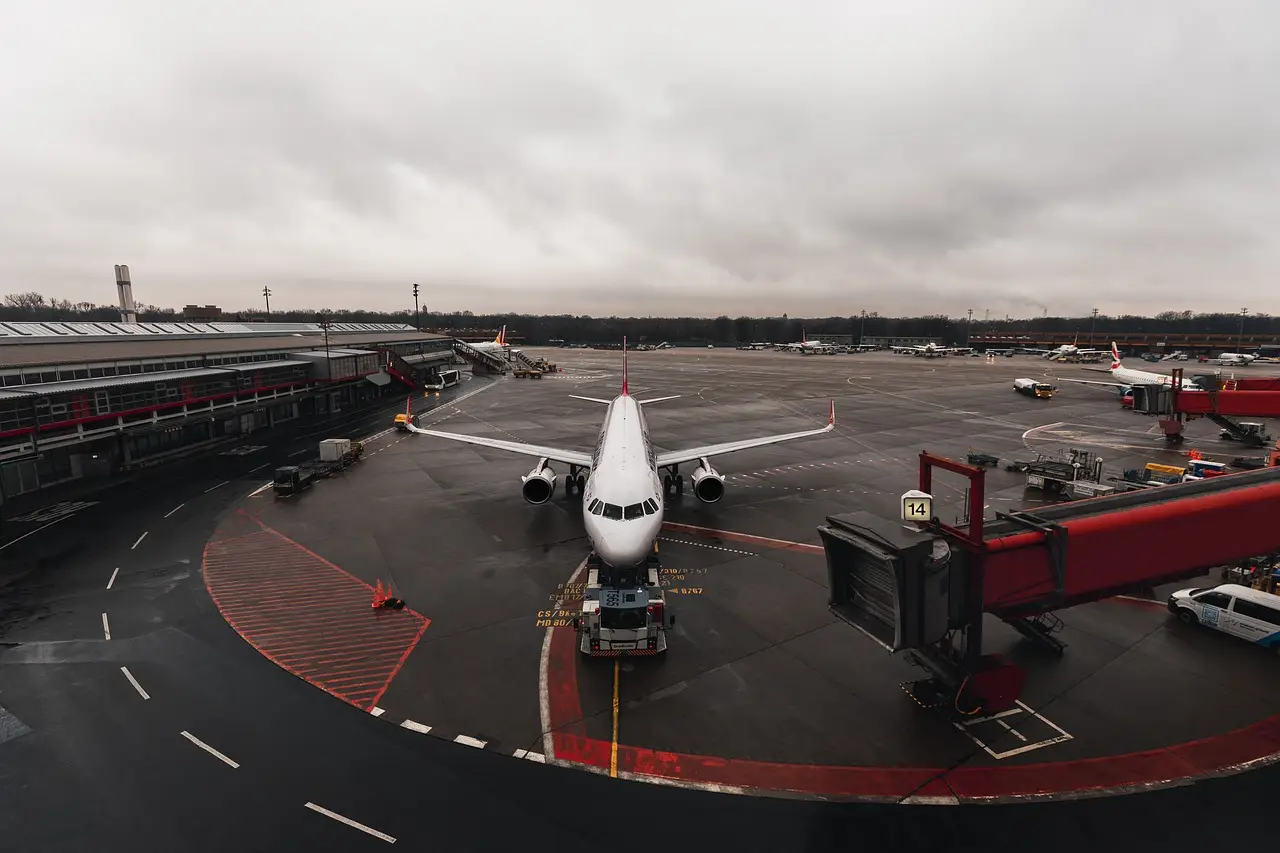
The last deportation flight under the UK-France "one in, one out" pilot took off on Tuesday carrying asylum seekers, many of whom had already been returned to France once and come back to the UK fleeing threats from people smugglers, according to accounts gathered by the Guardian.
The pilot scheme, which concluded on 1 October, involved forcibly returning hundreds of people who had crossed the Channel to the UK on small boats to France. In exchange, a similar number of people from northern France were brought to the UK to claim asylum.
Who is on the final flight?
Several of those ticketed for Tuesday's flight are people who made a second crossing after their first removal to France ended in violence, debt bondage and exploitation, asylum seekers said. Hundreds returned to the UK after France sent them back, citing threats from smugglers who claimed their families still owed money for the original Channel crossing.
Asylum seekers described being punched, beaten or raped by smugglers. Some said smugglers caught them while they slept on the streets and forced them to work in conditions of modern slavery in a migrant camp in Calais — cleaning the smugglers' tents and carrying water or firewood.
One Iranian asylum seeker with a ticket for Tuesday's flight said smugglers captured him after the Home Office returned him to France earlier this year. He said he was a political dissident and believed he would be executed if returned to Iran.
"I came back to the UK a second time because the smugglers caught me in France," he said. "I was sleeping on the streets in Paris because France did not accept my asylum case."
What do the returnees claim?
The Iranian man said many on the final flight shared his circumstances. "Many of the people who have tickets for Tuesday's flight are people like me, who came back to the UK a second time," he said. "I believe those of us who came back to the UK a second time are being punished by being sent back to France a second time. I believe that 100%."
He said the Home Office stated sufficient lawyers were available for those detained for removal to France, but he and others struggled to access good quality legal advice. "Friends paid privately for a lawyer for me. The lawyer promised me that 24 hours before the flight, they would challenge my removal, but he has done nothing," he said. "They do not even answer the phone although I have tried to call them 10 times."
He described his fear of what awaits him in France. "My mind is broken. I am scared that when I am returned to France on Tuesday, the smugglers will catch me and kill me," he said. "When the guards came to take me to the plane for France last time, three or four of them surrounded me and made me feel like a criminal. I have committed no crime apart from coming to UK to claim asylum."
He also noted the season has turned. "When I slept on the street last time the weather was warmer in France. Now it is too cold to sleep outside. I don't know what I'm going to do."
A second asylum seeker on Tuesday's flight, who also returned to the UK after removal to France, said he knew of dozens of people due to fly. "All of us have bad solicitors who are not helping us," he said. "One in, one out finished on 1 October. I do not understand why the Home Office wants to continue sending us to France."
How will success be measured?
John Tuckett, the independent chief inspector of borders and immigration, reported last week that the Home Office had no known method for measuring the success or failure of the scheme. The pilot had been given the highest operational priority, with regular updates supplied to ministers and 10 Downing Street.
Tuckett cited a ministerial submission stating the scheme's aim was to demonstrate that dangerous small-boat journeys were not a viable entry route into the UK, undermining the organised immigration crime model.
The numbers since the pilot ended point the other way. Since 1 October, 4,786 people have crossed the Channel in 69 small boats, according to government data.
What have charities and the Home Office said?
Medical Justice, a charity supporting people detained under the scheme, called the pilot "a disaster". A spokesperson said: "One in, one out has been a disaster, causing avoidable suffering to a vulnerable group and it has failed in the Home Office's stated objective. The Home Office must start to learn lessons and put an end to dangerous detention conditions."
Seema Syeda of the Joint Council for the Welfare of Immigrants said: "The UK government has forced people fleeing war, climate breakdown and persecution to take murderous and traumatising journeys across the Channel, only to treat them with brutality once they have arrived here, retraumatising them with detention and deportation."
A Home Office spokesperson defended the arrangement. "We welcome the inspector's recognition of the strong operational delivery of the UK-France pilot, which successfully demonstrated that a returns arrangement of this kind can work," the spokesperson said.
"The message was clear: if you returned to the UK after being transferred to France under the pilot, you would be sent back," the statement continued. "The pilot has now concluded and we are taking forward lessons learned as part of wider efforts to strengthen returns. Any future operational decisions, including on evaluation and reporting, will be considered in the usual way."
What happens now?
The pilot is over, but removals continue. Asylum seekers on Tuesday's flight face a second removal to France with winter approaching, limited access to legal advice, and, in their own accounts, the threat of reprisals from smugglers to whom their families remain in debt.
For practitioners, the accounts raise pressing questions about access to legal representation during expedited removals, the adequacy of detention conditions, and how repeat returnees with credible trafficking and persecution claims are screened before a second removal. The Home Office says lessons learned will feed into wider efforts to strengthen returns.
via theguardian.com (Source)
More from Marcus Bennett
Show full bio
Market editor covering regulation, policy and their impact on International law and legal practice at Global Law Wire.
319 articles